How Identity Influences Mental Health and Well Being?
Gusti Ayu Tita P
26 Juni 2026
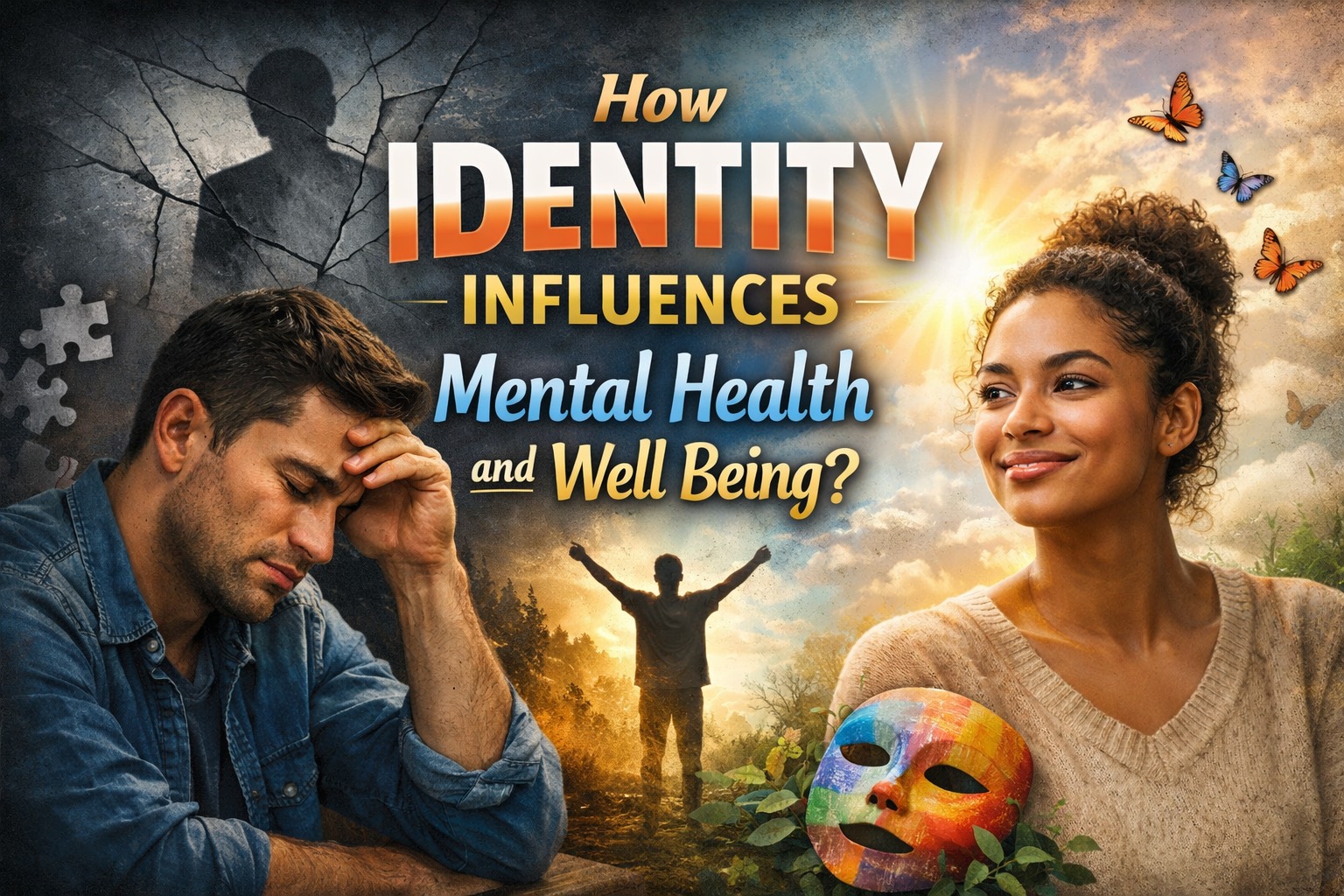
Understanding who we are plays a major role in shaping our mental and emotional condition. Identity is not only about a person's name, background, or profession, but also about values, beliefs, goals, and the way individuals see themselves. A strong and healthy sense of identity can help people face challenges with confidence, while an unclear identity may contribute to stress, anxiety, and emotional instability. This is why identity is closely connected to mental health and overall well-being.
THE CONNECTION BETWEEN IDENTITY AND MENTAL HEALTH
Identity provides a sense of direction and purpose in life. When people understand their strengths, values, and personal goals, they often feel more secure and confident in their decisions. This sense of clarity helps reduce feelings of confusion and uncertainty, which are common sources of stress.
On the other hand, individuals who struggle with self-understanding may experience emotional difficulties. They may constantly seek validation from others or feel pressured to meet expectations that do not align with their true selves. Over time, this can negatively affect mental health, leading to low self-esteem and increased emotional distress.
HOW A STRONG IDENTITY SUPPORTS WELL-BEING
A well-developed identity contributes to better well-being by helping individuals maintain emotional balance. People who know who they are tend to cope with setbacks more effectively because they have a stable foundation of self-belief. They are less likely to be overwhelmed by criticism or temporary failures.
In addition, a strong identity encourages healthier lifestyle choices. Individuals who understand their values are more likely to engage in activities that support their physical and emotional health, such as maintaining positive relationships, practicing self-care, and pursuing meaningful goals.
THE IMPACT OF IDENTITY CONFUSION ON EMOTIONAL HEALTH
Identity confusion occurs when individuals are uncertain about their beliefs, goals, or sense of self. This situation can arise during major life transitions, social pressure, or personal crises. Without a clear understanding of who they are, people may feel lost and disconnected from their surroundings.
These feelings often contribute to emotional struggles such as anxiety, loneliness, and frustration. In severe cases, prolonged identity confusion can increase vulnerability to mental health challenges. Recognizing these signs early can help individuals seek support and develop a stronger sense of self.
SOCIAL INFLUENCES ON IDENTITY DEVELOPMENT
Family, friends, culture, education, and social environments all influence identity formation. Positive support systems can strengthen self-confidence and encourage healthy personal growth. When individuals feel accepted and valued, they are more likely to develop a positive self-image.
However, negative social experiences such as discrimination, bullying, or unrealistic expectations can damage self-perception. These experiences may create self-doubt and emotional stress. Building supportive relationships and surrounding oneself with positive influences can help protect both identity and mental well-being.
STRATEGIES TO BUILD A HEALTHY SENSE OF IDENTITY
Developing a healthy identity requires self-reflection and personal growth. Taking time to understand personal values, strengths, and interests can improve self-awareness. Activities such as journaling, mindfulness, and setting meaningful goals can help individuals better understand themselves.
It is also important to accept that identity can evolve over time. Life experiences often shape personal perspectives and priorities. By embracing growth while staying connected to core values, individuals can maintain a strong sense of self and support long-term mental wellness.
CONCLUSION
Identity is a fundamental part of human life that significantly influences mental health and well-being. A strong sense of self can improve confidence, emotional resilience, and overall life satisfaction. In contrast, identity confusion may contribute to stress and emotional challenges. By understanding personal values, building supportive relationships, and embracing self-growth, individuals can strengthen their identity and enjoy better mental and emotional health.
About the Author
Gusti Ayu Tita P
Author — STEKOM University
An active author focused on academic issues, educational technology, and human resource development in the campus environment.