How To Become A Successful YouTuber Without Spending A Lot Of Money?
Gusti Ayu Tita P
4 Agustus 2026
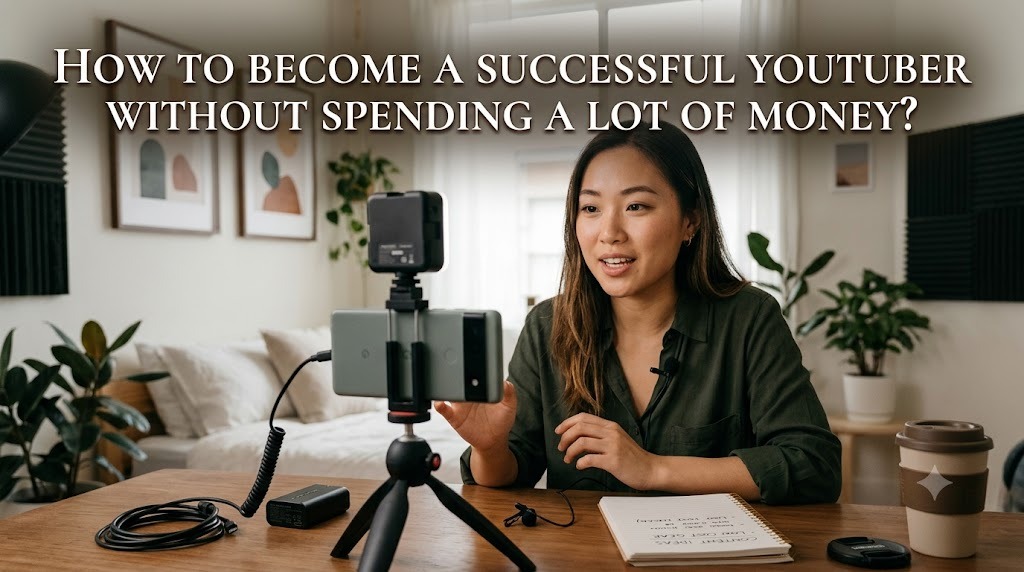
Becoming a successful YouTuber does not always require expensive cameras, professional studios, or advanced equipment. Many creators can start with basic tools that they already have, such as a smartphone and a simple microphone. What matters most is the ability to create content that is useful, entertaining, or interesting for a specific audience. With careful planning, beginners can develop a YouTube channel without spending a large amount of money.
Starting with a limited budget can also encourage creators to become more creative and resourceful. Instead of focusing on expensive equipment, creators can invest their time in improving storytelling, editing, research, and audience understanding. These skills can have a greater long term impact on channel development. A low budget should therefore not prevent someone from starting a YouTube journey.
CHOOSE A CLEAR CONTENT NICHE
The first step is choosing a clear content niche. A niche is a specific area or topic that becomes the main focus of a channel. Examples include education, gaming, cooking, technology, beauty, travel, entertainment, or personal development. Choosing a topic that matches your interests and skills can make it easier to create content consistently.
A clear niche also helps viewers understand what they can expect from your channel. Instead of trying to appeal to everyone, focus on a specific group of viewers with common interests. Research questions and problems that your target audience often searches for. This can help you develop content ideas that have practical value.
USE EQUIPMENT YOU ALREADY HAVE
You do not need an expensive camera to start creating YouTube videos. A modern smartphone camera can produce good quality footage when used in suitable lighting. Before buying new equipment, learn how to use the device you already own effectively. Good framing, stable shots, and clear audio can make a noticeable difference.
If your budget is limited, prioritize the equipment that solves the biggest quality problem. For many creators, clear audio and good lighting may be more important than purchasing a high end camera. A simple microphone can improve voice quality, while natural window light can provide useful illumination. Upgrade equipment gradually as your channel grows.
IMPROVE AUDIO AND LIGHTING FOR FREE
Good audio is important because viewers may stop watching when they cannot understand the speaker. You can record in a quiet room and reduce background noise by closing windows or turning off unnecessary devices. Soft materials such as curtains, carpets, and furniture can also reduce unwanted echoes. These simple changes do not require expensive equipment.
Lighting can also be improved without buying professional lights. Try recording near a window during suitable daylight conditions. Avoid placing a bright light directly behind you because it can make your face appear too dark. Simple adjustments to your recording position can significantly improve the overall appearance of your videos.
CREATE CONTENT THAT PROVIDES VALUE
Equipment cannot replace valuable content. Before making a video, ask what viewers will learn, feel, or gain from watching it. Content can provide value through education, entertainment, inspiration, practical advice, or solutions to common problems. A clear purpose makes it easier to create videos that people want to watch.
Try to understand the needs and interests of your target audience. Read comments, observe common questions, and research topics related to your niche. You can use these observations to create content that addresses real viewer interests. Audience-focused content can help a small channel compete with larger creators.
LEARN FREE VIDEO EDITING TOOLS
Video editing does not have to be expensive. Beginners can use free editing software or free versions of editing applications to cut clips, add text, improve audio, and organize footage. Many free tools provide enough features for basic YouTube production. Learning one editing application well can be more useful than constantly switching between different programs.
Start with the essential editing skills first. Learn how to remove unnecessary sections, improve pacing, add simple transitions, and adjust audio levels. Avoid adding too many effects simply because they are available. Clean and understandable editing is usually more important than complicated visual effects.
WRITE STRONG TITLES AND THUMBNAILS
Titles and thumbnails are important because they help viewers decide whether to click on a video. A good YouTube title should clearly explain the topic or benefit of the video. Avoid misleading titles because they can disappoint viewers and damage trust. Use words that accurately represent what the audience will find in the video.
You can create attractive thumbnails using free graphic design tools. Keep the design simple, readable, and relevant to the video. Use a clear main image and avoid filling the thumbnail with too much text. Over time, you can test different thumbnail styles to discover what works best for your audience.
USE FREE RESOURCES FOR CONTENT CREATION
Many useful resources are available online at little or no cost. Creators can find free music, sound effects, fonts, design resources, and educational materials from legitimate sources. Always check the usage rights and licensing conditions before including third party materials in your videos. Using copyrighted material without permission can create problems for your channel.
You can also learn content creation through free educational resources. Tutorials can teach you about editing, storytelling, search optimization, audience research, and video production. Instead of paying for expensive courses immediately, use free resources to build your basic skills. As your knowledge grows, you can decide whether paid learning resources are necessary.
BUILD A CONSISTENT UPLOAD SCHEDULE
Consistency is more important than spending a lot of money. Create an upload schedule that matches your available time and production ability. You do not need to publish videos every day. One well prepared video per week may be more sustainable than trying to publish daily and eventually becoming exhausted.
Planning content in advance can make consistency easier. Create a list of video ideas and prepare scripts or outlines before recording. You can also record several videos during one session when possible. A simple content calendar can help you stay organized and reduce last minute pressure.
LEARN BASIC YOUTUBE SEO
YouTube SEO can help viewers discover your videos through search and recommendations. Start by understanding the words and phrases your target audience uses when searching for information. Include relevant keywords naturally in your title and description. The content itself should also clearly address the topic represented by those keywords.
Do not focus only on keywords. Viewer satisfaction remains important because people need to find the video useful after clicking it. Pay attention to factors such as watch time, audience retention, engagement, and click through rate. Use the available analytics to understand what works and improve future videos.
PROMOTE YOUR VIDEOS FOR FREE
You do not need to spend money on advertising to promote every video. Share relevant videos through social media, online communities, messaging platforms, or personal networks when appropriate. The goal should be to reach people who are genuinely interested in the topic. Avoid excessive or irrelevant promotion because it can negatively affect audience trust.
You can also collaborate with other small creators. Collaboration can introduce both channels to new audiences while allowing creators to share skills and ideas. Choose partners with related audiences rather than focusing only on subscriber numbers. Building genuine relationships can create long term opportunities.
FOCUS ON SKILLS INSTEAD OF EXPENSIVE EQUIPMENT
A successful YouTube channel is built through skills as much as equipment. Focus on developing storytelling, communication, editing, research, presentation, and audience analysis. These skills can improve your videos even when you are using basic equipment. They also remain valuable if you later expand into other digital careers.
As your channel grows, reinvest part of your earnings carefully. You might eventually upgrade your microphone, lighting, camera, computer, or editing tools. However, every purchase should solve a real production problem. Avoid buying equipment simply because other creators use it.
AVOID COMMON BEGINNER MISTAKES
New YouTubers often make the mistake of expecting fast results. A channel may require considerable time before it develops a stable audience. Some videos may receive very few views despite significant effort. Instead of becoming discouraged, use each upload as an opportunity to learn and improve.
Another common mistake is copying other creators too closely. It is useful to study successful channels, but your content should have its own perspective and value. Avoid using copyrighted material without permission and do not make misleading claims just to attract clicks. Building audience trust is more valuable than achieving short term attention.
CONCLUSION
Becoming a successful YouTuber without spending a lot of money is possible when you focus on creativity, consistency, useful content, and continuous learning. Start with equipment you already have, improve your audio and lighting using simple techniques, and use free editing and design resources. Choose a clear niche and create content based on the needs of your target audience.
YouTube growth usually takes time, so do not measure success only by immediate views or subscribers. Learn from analytics, improve your titles and thumbnails, maintain a realistic upload schedule, and develop skills that make your content better. With patience and smart planning, a limited budget does not have to prevent you from building a strong and sustainable YouTube channel.
About the Author
Gusti Ayu Tita P
Author — STEKOM University
An active author focused on academic issues, educational technology, and human resource development in the campus environment.