How to Navigate Office Politics While Maintaining Professionalism?
Gusti Ayu Tita P
24 Juni 2026
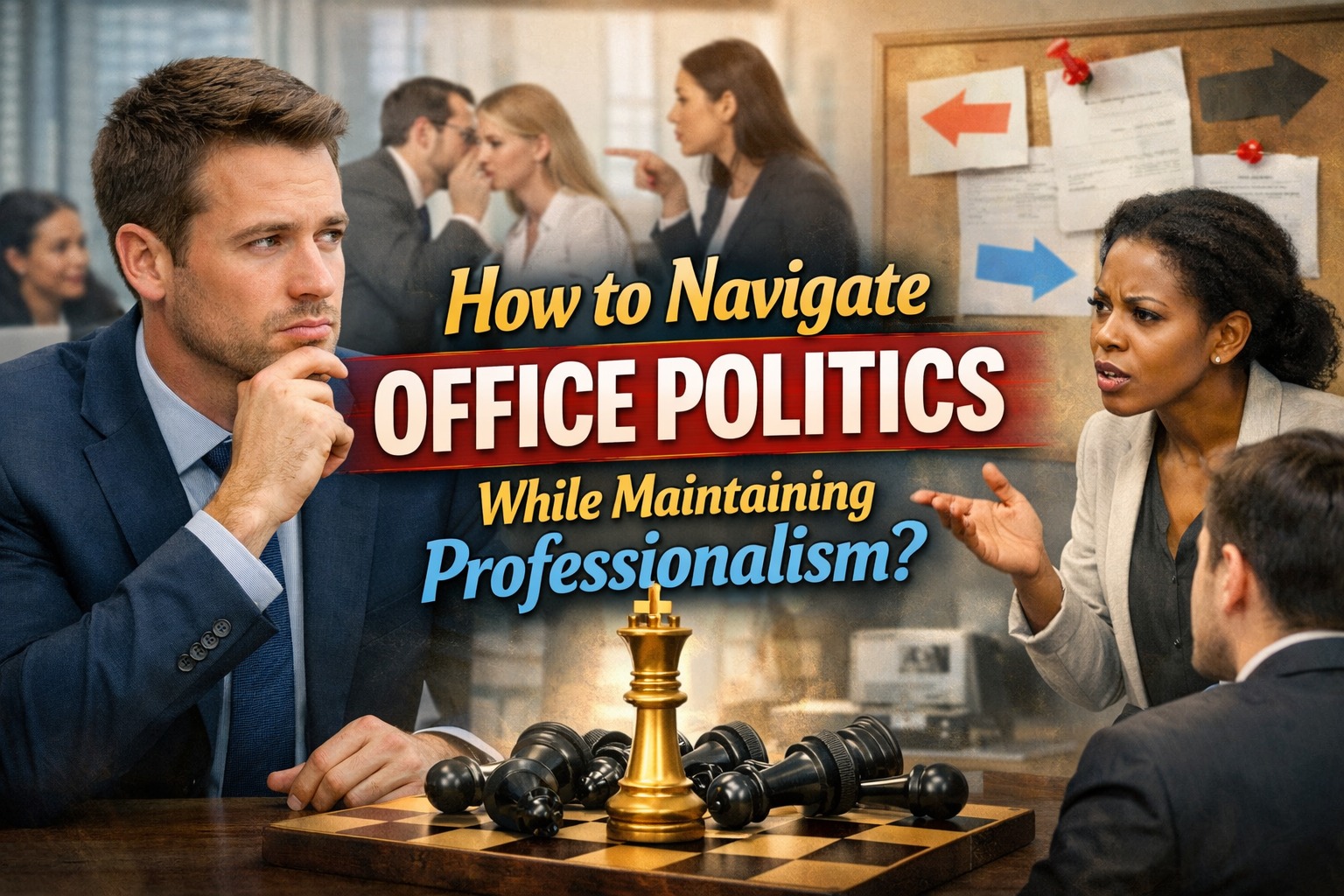
Office politics is a reality in almost every workplace. Different personalities, interests, and goals often create situations where employees must carefully manage relationships while staying focused on their responsibilities. Although office politics can sometimes seem negative, understanding how to navigate it professionally can help employees build stronger careers and maintain a positive work environment.
Learning how to handle workplace dynamics without compromising integrity is an essential skill. By maintaining professionalism, employees can protect their reputation, strengthen workplace relationships, and create opportunities for long-term career growth.
UNDERSTANDING THE NATURE OF OFFICE POLITICS
Office politics refers to the informal interactions, influence, and relationships that exist within an organization. These dynamics often affect decision-making, promotions, project assignments, and workplace communication. Understanding how these interactions work allows employees to respond wisely rather than emotionally.
Not all office politics are harmful. In many cases, they simply reflect the natural process of people working together with different perspectives and objectives. Employees who recognize these dynamics can make better decisions while maintaining a strong professional image.
BUILDING STRONG PROFESSIONAL RELATIONSHIPS
One of the most effective ways to navigate workplace politics is by developing positive relationships with colleagues, managers, and other stakeholders. Building trust through consistent behavior and respectful communication creates a strong foundation for professional success. People are more likely to support individuals they trust and respect.
Networking within the workplace should be based on genuine collaboration rather than personal gain. Offering assistance, listening actively, and showing appreciation for others' contributions can strengthen professional connections. These relationships often become valuable sources of support during challenging situations.
MAINTAINING PROFESSIONAL COMMUNICATION
Clear and professional communication is essential when dealing with office politics. Employees should focus on facts, avoid emotional reactions, and communicate respectfully even during disagreements. Maintaining a calm and professional tone helps prevent misunderstandings and unnecessary conflicts.
It is also important to avoid gossip and workplace rumors. Participating in negative conversations can damage credibility and trust. Instead, employees should encourage constructive discussions and focus on solutions that benefit the team and organization.
FOCUSING ON PERFORMANCE AND RESULTS
Strong job performance remains one of the best defenses against negative office politics. Employees who consistently deliver high-quality work build credibility and earn the respect of colleagues and supervisors. Reliable performance often speaks louder than workplace drama.
Focusing on organizational goals rather than personal conflicts helps employees remain productive. By demonstrating competence, accountability, and dedication, professionals can create a reputation that supports career advancement regardless of workplace challenges.
HANDLING CONFLICTS WITH PROFESSIONALISM
Workplace disagreements are inevitable, but how employees respond to them determines the outcome. When conflicts arise, it is important to address issues directly and respectfully rather than allowing tensions to escalate. A solution-oriented approach demonstrates professional maturity and leadership potential.
Listening carefully to different viewpoints can also help resolve disputes more effectively. Seeking common ground and focusing on shared objectives often leads to positive outcomes that benefit everyone involved.
PROTECTING YOUR REPUTATION AND INTEGRITY
Maintaining personal integrity is critical when navigating office politics. Employees should remain honest, ethical, and consistent in their actions. Making decisions based on values rather than short-term advantages helps build long-term trust.
A strong professional reputation takes time to develop but can be damaged quickly. Therefore, employees should avoid manipulative behavior, keep commitments, and treat everyone fairly regardless of their position within the organization.
CONCLUSION
Successfully navigating office politics does not require manipulation or dishonesty. Instead, it involves understanding workplace dynamics, building strong relationships, communicating professionally, and maintaining integrity. Employees who focus on performance, collaboration, and ethical behavior are more likely to thrive in complex workplace environments.
By balancing awareness of office politics with consistent professionalism, individuals can create a positive reputation, strengthen their careers, and contribute to a healthier workplace culture.
About the Author
Gusti Ayu Tita P
Author — STEKOM University
An active author focused on academic issues, educational technology, and human resource development in the campus environment.