Mastering Time Blocking for Better Focus and Performance
Gusti Ayu Tita P
3 Juli 2026
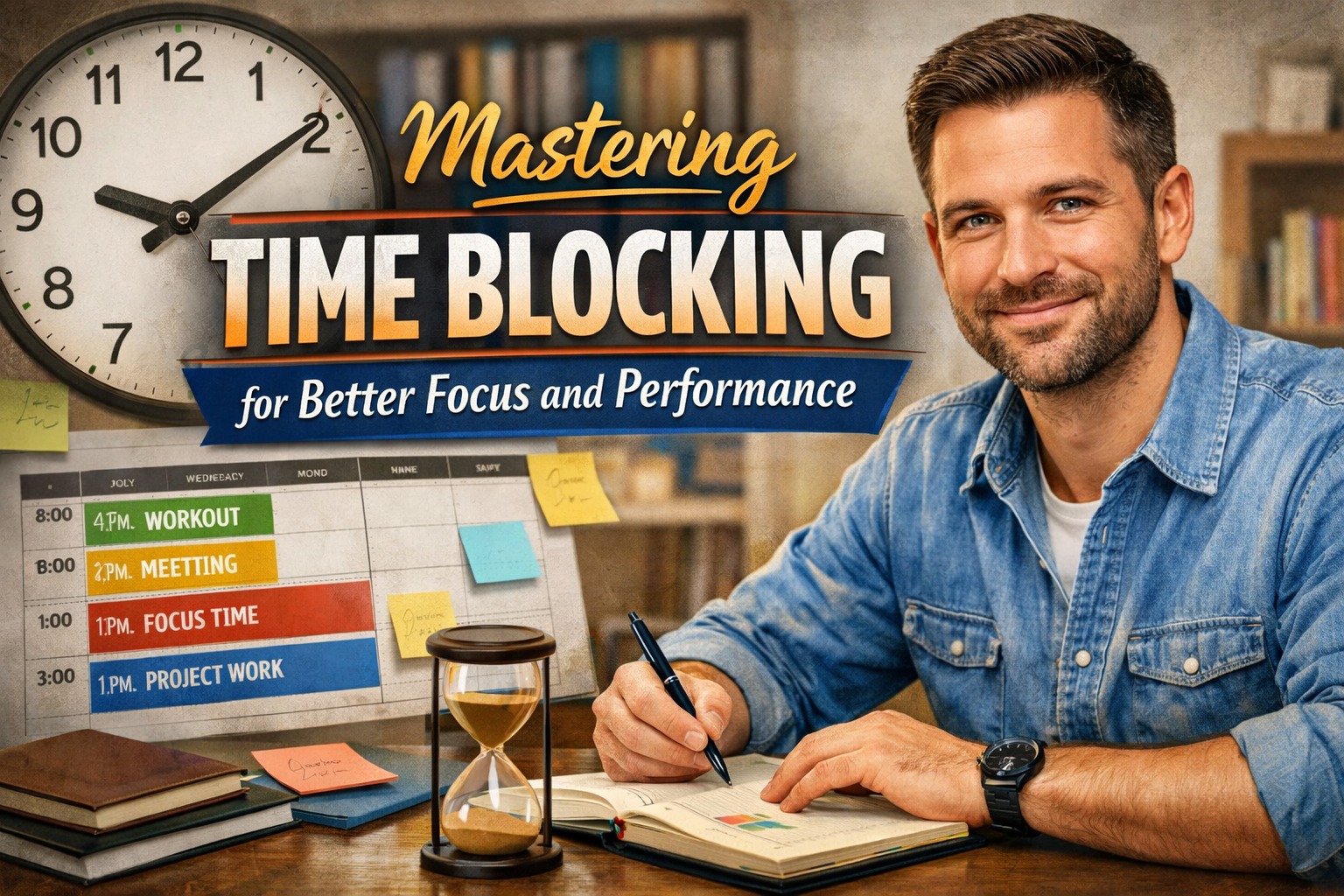
In today's fast-paced world, distractions are everywhere. Emails, social media notifications, meetings, and unexpected tasks can easily disrupt productivity. As a result, many people struggle to stay focused and complete important work efficiently. One of the most effective methods to overcome this challenge is Time Blocking, a productivity technique that helps individuals manage their schedules with greater precision and purpose.
By allocating specific blocks of time for particular tasks, people can improve concentration, reduce procrastination, and achieve better results. Whether you are a student, entrepreneur, employee, or freelancer, mastering Time Blocking can significantly enhance both your focus and overall performance.
WHAT IS TIME BLOCKING?
Time Blocking is a time management strategy that involves dividing your day into dedicated periods for specific activities. Instead of working from a simple to-do list, you assign each task a designated time slot in your calendar. This structured approach helps ensure that every important responsibility receives adequate attention.
The main purpose of Time Blocking is to eliminate uncertainty about what to do next. When each hour already has a planned purpose, decision fatigue decreases and productivity increases. This method also makes it easier to prioritize meaningful work over distractions and low-value activities.
WHY TIME BLOCKING IMPROVES FOCUS
One of the biggest obstacles to productivity is constant task switching. Every time you move from one task to another, your brain requires additional time to refocus. Time Blocking minimizes these interruptions by encouraging you to concentrate on a single task during a designated period.
By creating dedicated focus sessions, you can enter a deeper state of concentration known as deep work. During these periods, attention remains fixed on high-priority activities, allowing for higher-quality output. As a result, projects are completed faster and with fewer mistakes.
HOW TIME BLOCKING ENHANCES PERFORMANCE
Effective performance depends not only on working hard but also on working strategically. Time Blocking allows you to allocate your most productive hours to tasks that require the highest levels of mental energy. This ensures that important work receives the attention it deserves.
In addition, scheduling tasks in advance helps create realistic expectations for what can be accomplished each day. This reduces stress, prevents burnout, and promotes a healthier work-life balance. Consistent use of Time Blocking often leads to better efficiency, improved accountability, and stronger long-term results.
STEPS TO CREATE AN EFFECTIVE TIME BLOCKING SCHEDULE
The first step is identifying your priorities. Make a list of tasks that must be completed and rank them based on importance. Once priorities are clear, assign specific time blocks to each activity. Include work tasks, meetings, breaks, and personal responsibilities to create a balanced schedule.
Next, estimate how long each task will realistically take. Avoid overloading your calendar with unrealistic expectations. Leave small buffer periods between blocks to handle unexpected interruptions or schedule adjustments. Reviewing and refining your schedule regularly will make your system even more effective over time.
COMMON MISTAKES TO AVOID
Many people make the mistake of creating overly rigid schedules. While structure is important, flexibility is equally valuable. Unexpected events can occur, and your schedule should allow room for minor adjustments without causing frustration.
Another common mistake is failing to schedule breaks. Continuous work without rest can reduce energy levels and decrease productivity. Short breaks between focus sessions help maintain mental clarity and improve long-term performance. It is also important to avoid multitasking, as it can weaken concentration and reduce work quality.
TOOLS THAT SUPPORT TIME BLOCKING
Modern technology offers numerous tools that make Time Blocking easier to implement. Digital calendars allow users to visually organize their schedules and receive reminders for upcoming tasks. These features help maintain consistency and accountability throughout the day.
Productivity applications can also support planning, task management, and progress tracking. However, the most effective tool is the one you use consistently. Whether you prefer a digital platform or a paper planner, commitment to the process is what ultimately determines success.
CONCLUSION
Mastering Time Blocking is one of the most practical ways to improve focus and performance in both professional and personal life. By assigning dedicated time periods to important tasks, individuals can reduce distractions, increase efficiency, and make better use of their available hours.
Success with Time Blocking does not require perfection. It requires consistency, realistic planning, and a willingness to adapt when necessary. When practiced regularly, this powerful technique can transform the way you work, helping you achieve greater productivity and better results every day.
About the Author
Gusti Ayu Tita P
Author — STEKOM University
An active author focused on academic issues, educational technology, and human resource development in the campus environment.