
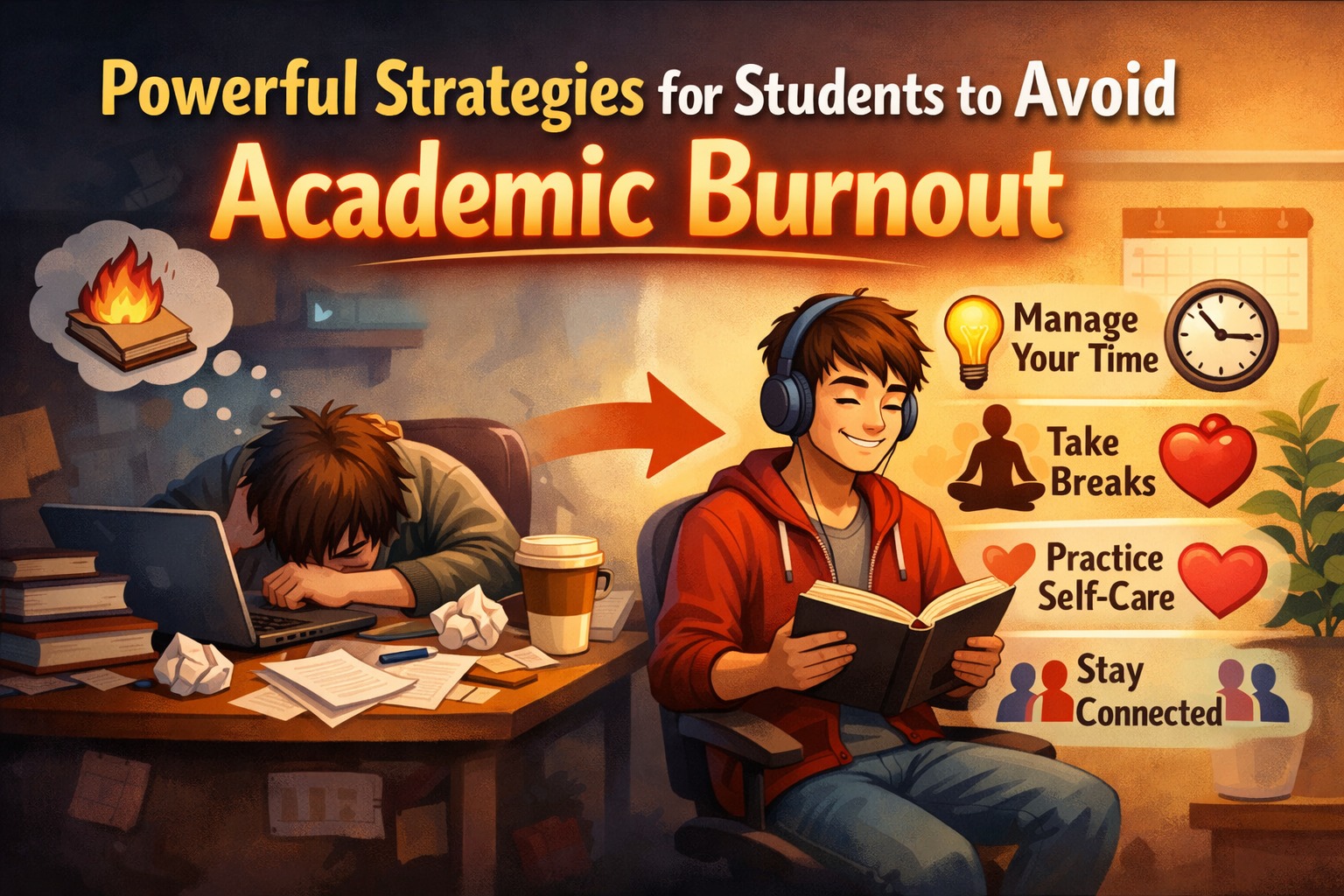
Academic life can be both exciting and overwhelming. Students are often expected to balance lectures, assignments, exams, and sometimes part-time jobs or organizational activities. Without proper management, these demands can lead to academic burnout a condition that affects both mental and physical well-being. Understanding how to prevent burnout is essential for maintaining productivity and long-term success.
UNDERSTANDING ACADEMIC BURNOUT
Academic burnout is a state of emotional, mental, and physical exhaustion caused by prolonged academic stress. It often appears as a loss of motivation, difficulty concentrating, and a feeling of being constantly drained. Students experiencing burnout may struggle to keep up with responsibilities, which can negatively impact their academic performance.
COMMON CAUSES OF BURNOUT
Several factors contribute to academic burnout. Heavy workloads, tight deadlines, and high expectations are among the most common triggers. In addition, poor time management and lack of rest can make stress worse. Many students also feel pressure to achieve perfection, which can lead to continuous anxiety and fatigue.
EFFECTIVE TIME MANAGEMENT STRATEGIES
One of the most powerful ways to prevent burnout is by managing time effectively. Creating a realistic schedule helps students organize tasks based on priority and urgency. Breaking large assignments into smaller steps can make them more manageable and less intimidating. Avoiding procrastination also plays a key role in reducing last-minute stress.
PRIORITIZING REST AND SELF CARE
Rest is not a luxury it is a necessity. Getting enough sleep and taking regular breaks can significantly improve focus and energy levels. Engaging in activities such as light exercise, hobbies, or simply relaxing can help recharge the mind. Practicing self care allows students to maintain a healthy balance between academic responsibilities and personal well-being.
DEVELOPING A POSITIVE MINDSET
A positive mindset can make a big difference in handling academic pressure. Instead of focusing on failures, students should view challenges as opportunities to grow. Avoid comparing progress with others and concentrate on personal improvement. Building self confidence helps reduce stress and increases resilience.
SEEKING SUPPORT FROM OTHERS
Students should not hesitate to seek help when feeling overwhelmed. Talking to friends, family members, or lecturers can provide emotional support and new perspectives. A supportive environment helps reduce feelings of isolation and makes it easier to cope with academic challenges.
SETTING REALISTIC GOALS
Setting achievable goals is essential to avoid unnecessary pressure. Unrealistic expectations can lead to frustration and burnout. By setting clear and attainable targets, students can track progress and stay motivated without feeling overwhelmed.
CONCLUSION
Academic burnout is a common challenge among students, but it can be prevented with the right strategies. Effective time management, proper rest, a positive mindset, and strong support systems are key to maintaining balance. By applying these strategies, students can stay productive while protecting their mental health and overall well-being.
About the Author
Gusti Ayu Tita P
Author — STEKOM University
An active author focused on academic issues, educational technology, and human resource development in the campus environment.