Technological Innovations That Transform Modern Lifestyles
Gusti Ayu Tita P
26 Juni 2026
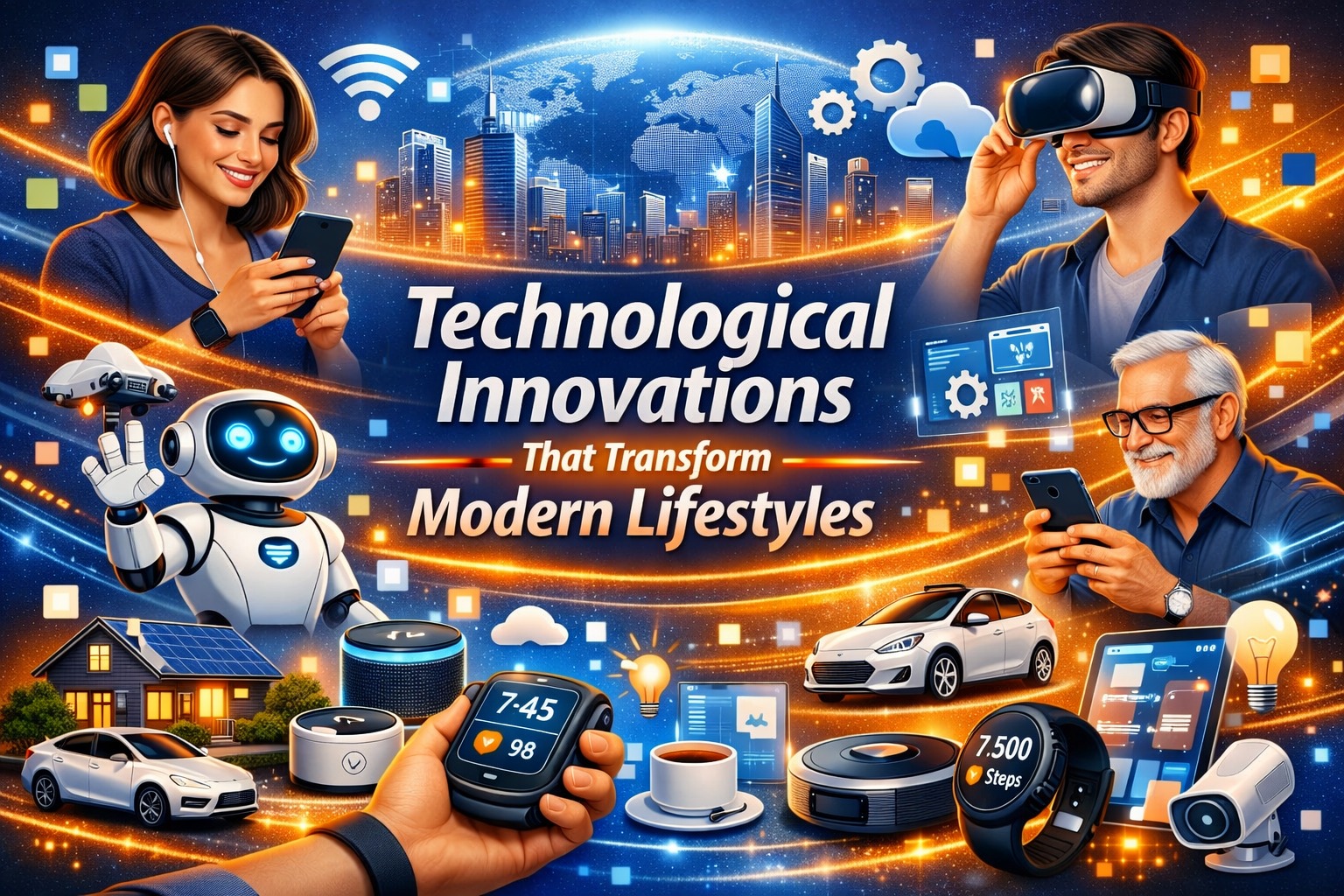
Technology continues to reshape the way people live, work, communicate, and manage daily activities. From smart devices to artificial intelligence, modern innovations have become an essential part of everyday life. These advancements help individuals save time, improve productivity, and enjoy greater convenience in both personal and professional settings. As technology evolves, its influence on modern lifestyles becomes even more significant. Understanding these innovations can help people adapt to a rapidly changing digital world and maximize the benefits they offer.
THE RISE OF SMART TECHNOLOGY IN DAILY LIFE
One of the most noticeable technological innovations is the growth of smart technology. Smart homes equipped with smart devices such as intelligent lighting systems, security cameras, thermostats, and voice assistants allow users to control various functions remotely. These technologies improve convenience, energy efficiency, and home security. People can monitor their homes from anywhere using mobile applications, making everyday life more manageable.
The integration of smart technology also extends beyond homes. Smart watches, fitness trackers, and connected appliances provide real-time information that helps users make informed decisions. These devices support healthier lifestyles by tracking physical activity, monitoring sleep quality, and providing health-related insights. As connectivity improves, smart technology continues to become more accessible and beneficial.
ARTIFICIAL INTELLIGENCE AND AUTOMATION
Artificial Intelligence (AI) has become one of the most transformative innovations of the modern era. AI-powered systems analyze large amounts of data, recognize patterns, and perform tasks that previously required human intelligence. Businesses use AI to improve customer service, optimize operations, and enhance decision-making processes. Consumers also benefit from AI through personalized recommendations and virtual assistants.
Automation further increases efficiency by reducing repetitive tasks. Industries such as manufacturing, healthcare, finance, and transportation utilize automated systems to improve productivity and accuracy. These technologies allow organizations to focus on complex responsibilities while machines handle routine operations. As AI continues to develop, its impact on modern lifestyles will become even more widespread.
DIGITAL COMMUNICATION AND CONNECTIVITY
Modern communication has been revolutionized by digital communication technologies. High-speed internet, video conferencing platforms, instant messaging applications, and social networking services enable people to connect globally within seconds. Communication barriers have significantly decreased, allowing businesses and individuals to collaborate regardless of geographical location.
The growth of connectivity has also supported remote work and online learning. Employees can participate in virtual meetings, while students can access educational resources from anywhere. This flexibility has changed traditional approaches to work and education, creating more opportunities for people worldwide. Improved connectivity continues to strengthen global communication and information sharing.
HEALTHCARE TECHNOLOGY IMPROVEMENTS
Technological innovation has significantly enhanced healthcare services. Healthcare technology now includes telemedicine platforms, wearable health monitors, robotic-assisted surgeries, and advanced diagnostic systems. These innovations help healthcare providers deliver more accurate and efficient medical care. Patients can consult doctors remotely, reducing travel time and increasing access to healthcare services.
Wearable devices contribute to preventive healthcare by continuously monitoring vital signs and physical activity. Early detection of health issues allows individuals to seek medical attention sooner, improving treatment outcomes. As healthcare technology advances, it continues to improve both patient experiences and overall public health management.
THE IMPACT OF DIGITAL FINANCIAL SERVICES
The rise of digital finance has transformed how people manage money. Online banking, mobile payment systems, digital wallets, and contactless transactions provide faster and more secure financial services. Consumers can transfer funds, pay bills, and monitor account activity using smartphones and computers. This convenience has reduced reliance on traditional banking methods.
Digital financial services also support financial inclusion by providing access to banking solutions for underserved populations. Businesses benefit from streamlined payment processes and improved transaction efficiency. As cybersecurity measures continue to improve, digital finance is expected to play an even larger role in modern lifestyles.
THE FUTURE OF TECHNOLOGICAL INNOVATION
Emerging technologies such as quantum computing, advanced robotics, renewable energy systems, and next-generation networks promise even greater transformation. These innovations have the potential to solve complex challenges while creating new opportunities across various industries. Governments, businesses, and educational institutions continue investing in research and development to accelerate technological progress.
The future will likely bring smarter cities, more efficient transportation systems, and highly personalized digital experiences. While technological advancements introduce new challenges, they also provide powerful solutions that improve quality of life. Individuals who embrace innovation and adapt to change will be better prepared for the opportunities of the digital age.
CONCLUSION
Technological innovations have fundamentally transformed modern lifestyles by improving communication, healthcare, finance, productivity, and daily convenience. Smart technology, Artificial Intelligence, digital communication, healthcare technology, and digital finance continue to shape the way people interact with the world. As innovation progresses, these technologies will create even greater opportunities for efficiency, connectivity, and personal growth. Understanding and responsibly adopting these advancements can help individuals thrive in an increasingly technology-driven society.
About the Author
Gusti Ayu Tita P
Author — STEKOM University
An active author focused on academic issues, educational technology, and human resource development in the campus environment.