The Connection Between Identity and Self Confidence
Gusti Ayu Tita P
25 Juni 2026
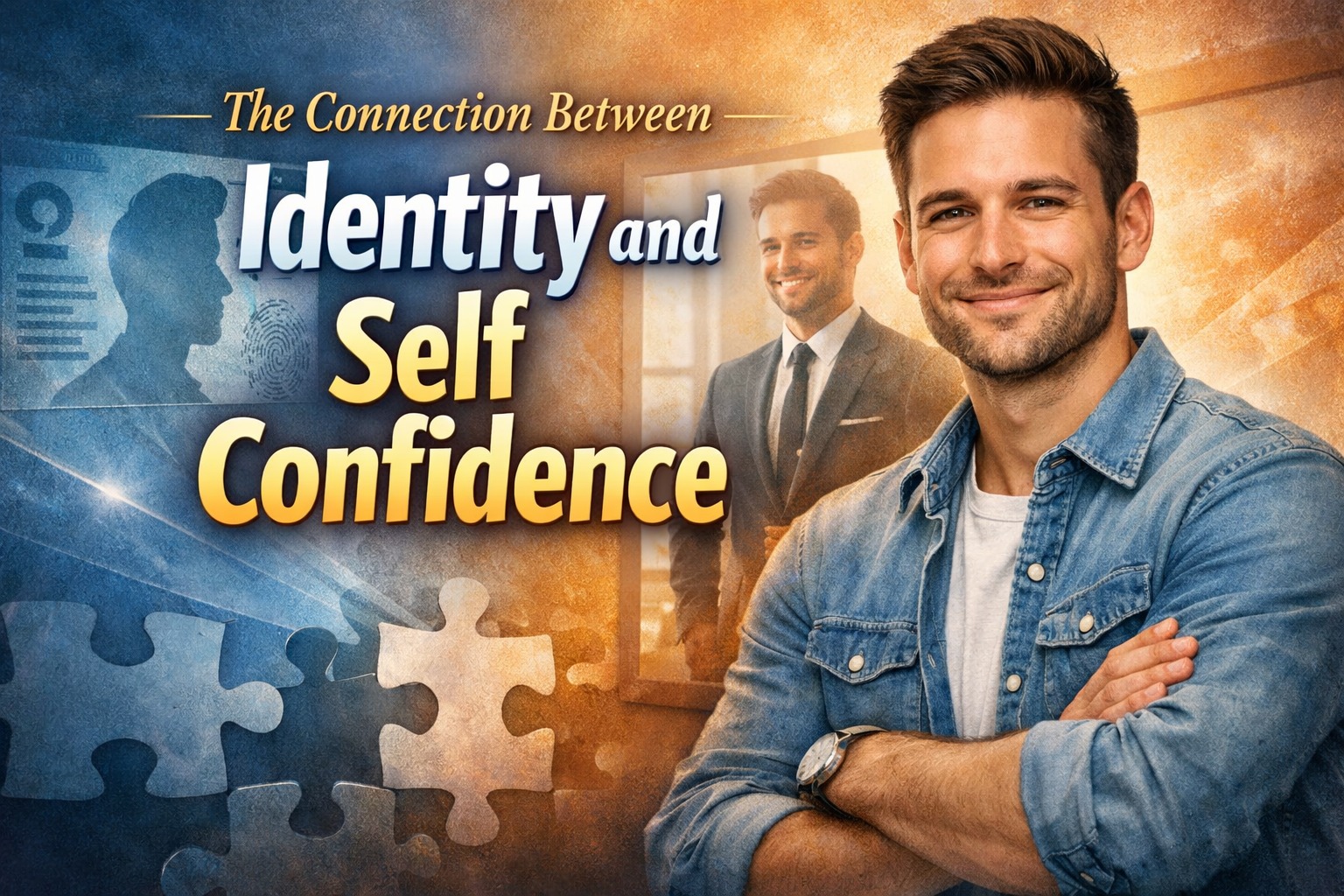
Self-confidence is not built solely through achievements, skills, or external validation. One of the most important foundations of confidence is a person's identity. Identity refers to how individuals understand themselves, including their values, beliefs, strengths, goals, and roles in life. When people have a clear sense of who they are, they are more likely to trust themselves and face challenges with confidence.
In today's fast-changing world, many people struggle with self-doubt because they compare themselves to others or feel pressured to meet certain expectations. Understanding the connection between identity and self-confidence can help individuals develop a stronger mindset and achieve greater personal growth.
UNDERSTANDING PERSONAL IDENTITY
Personal identity is the unique combination of characteristics, experiences, values, and beliefs that define an individual. It shapes how people see themselves and how they interact with the world around them. A strong identity provides a sense of direction and purpose, helping people make decisions that align with their true selves.
When individuals understand their strengths and weaknesses, they become more comfortable with who they are. This self-awareness reduces the need for constant approval from others. As a result, they develop a healthier sense of self-worth and become more confident in their abilities.
HOW IDENTITY INFLUENCES SELF-CONFIDENCE
A clear identity serves as a foundation for self-confidence. People who know their values and goals are less likely to be influenced by criticism or negative opinions. They have a stronger belief in their decisions because those choices are based on personal convictions rather than external pressure.
On the other hand, individuals with an unclear identity often experience uncertainty and self-doubt. They may frequently compare themselves to others or feel unsure about their place in society. This lack of clarity can weaken confidence and make it difficult to take risks or pursue opportunities.
THE ROLE OF SELF-ACCEPTANCE IN BUILDING CONFIDENCE
Self-acceptance is an essential part of developing both identity and confidence. It involves recognizing personal strengths while also acknowledging imperfections without excessive self-criticism. People who accept themselves are more likely to feel secure and resilient when facing challenges.
Instead of focusing on flaws, self-accepting individuals view mistakes as opportunities for growth. This mindset encourages continuous learning and reduces the fear of failure. As confidence grows, individuals become more willing to explore new experiences and achieve their goals.
CHALLENGES THAT CAN WEAKEN IDENTITY AND CONFIDENCE
Several factors can negatively affect both identity and self-confidence. Social media comparisons, unrealistic expectations, peer pressure, and negative life experiences can create confusion about one's true self. Constant exposure to idealized images and lifestyles may lead people to question their own value.
Additionally, fear of judgment can prevent individuals from expressing their authentic identity. Over time, suppressing personal beliefs or interests may result in lower self-esteem and reduced confidence. Recognizing these challenges is the first step toward overcoming them and strengthening self-identity.
STRATEGIES TO STRENGTHEN IDENTITY AND SELF-CONFIDENCE
Building a stronger identity begins with self-reflection. Taking time to identify personal values, passions, and long-term goals helps create a clearer understanding of oneself. Journaling, mindfulness practices, and honest self-assessment can support this process.
Another effective strategy is setting realistic goals and celebrating progress. Achieving small milestones reinforces self-belief and creates positive momentum. Surrounding oneself with supportive people who encourage authenticity can also strengthen both identity and confidence over time.
THE LONG-TERM BENEFITS OF A STRONG IDENTITY
A well-developed identity provides stability during times of change and uncertainty. Individuals with a strong sense of self are better equipped to handle setbacks because they trust their abilities and remain focused on their values. This resilience contributes to long-term personal and professional success.
Furthermore, strong identity and confidence improve relationships, communication, and decision-making. People who understand themselves tend to build more meaningful connections and pursue opportunities that align with their goals. Ultimately, confidence rooted in identity is more sustainable than confidence based solely on external achievements.
CONCLUSION
The connection between identity and self-confidence is both powerful and essential for personal growth. A clear understanding of who we are helps us trust ourselves, make better decisions, and remain resilient in the face of challenges. By developing self-awareness, practicing self-acceptance, and staying true to personal values, individuals can build lasting confidence that supports success and well-being throughout life.
About the Author
Gusti Ayu Tita P
Author — STEKOM University
An active author focused on academic issues, educational technology, and human resource development in the campus environment.