
The Importance of Ethics in Influencer Marketing
Gusti Ayu Tita P
19 September 2026
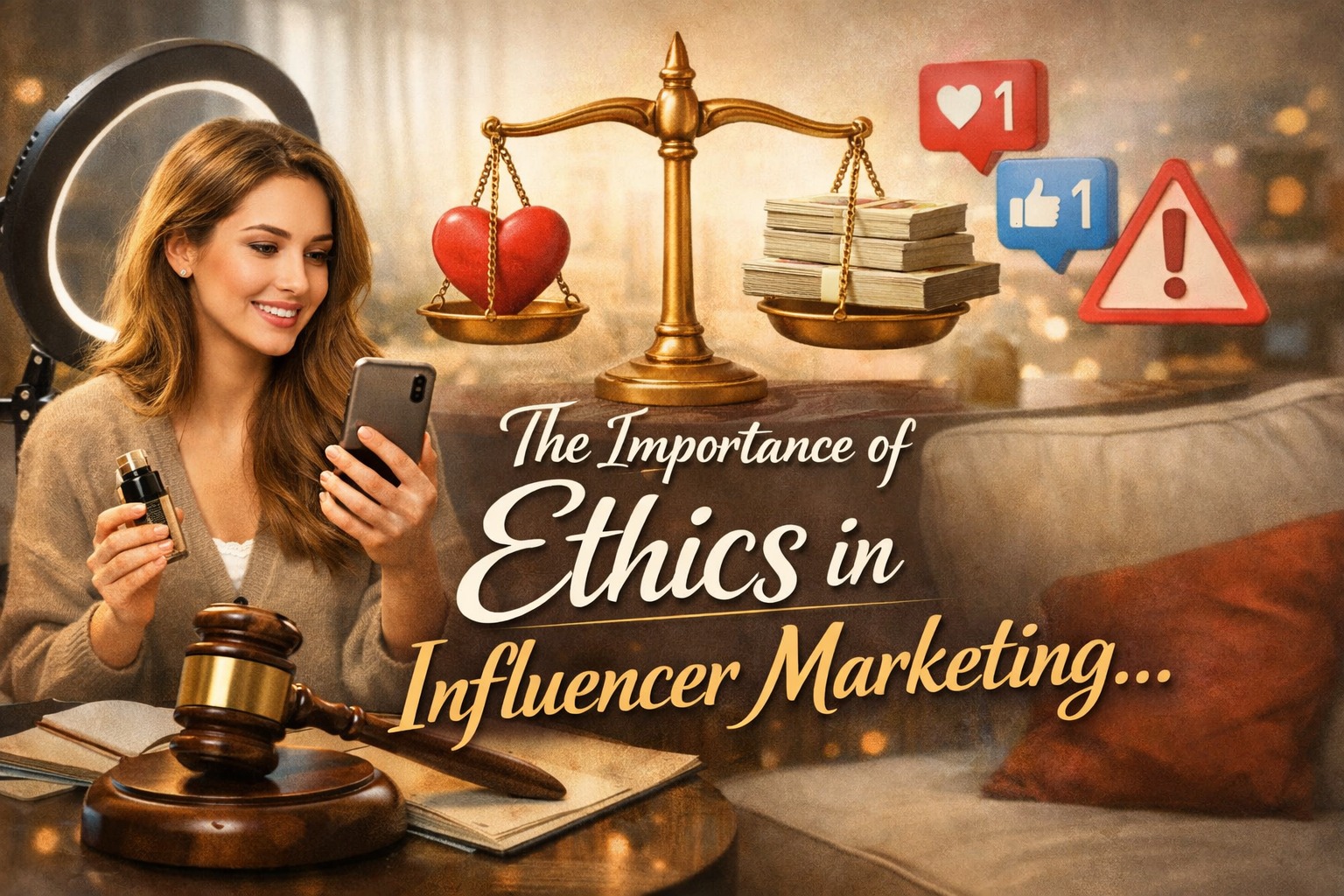
Ethics in influencer marketing refers to the moral principles that guide how influencers promote products and interact with their audiences. It ensures transparency, honesty, and respect between brands, influencers, and consumers. Ethical practices help maintain trust and credibility, which are essential for long-term success in digital marketing. When influencers disclose sponsorships and avoid misleading claims, they contribute to a healthier online ecosystem. Without ethics, influencer marketing risks becoming manipulative and damaging to public perception.
WHY ETHICS MATTER FOR BRANDS AND INFLUENCERS
Brands rely on influencers to represent their values and connect authentically with audiences. Ethical behavior protects both parties from reputational harm and legal issues. Influencers who act responsibly are more likely to build loyal followers who trust their recommendations. Ethical marketing also prevents deceptive advertising, ensuring consumers make informed decisions. In the long run, maintaining integrity strengthens partnerships and enhances brand image across social platforms.
COMMON ETHICAL CHALLENGES IN INFLUENCER MARKETING
One major challenge is the lack of transparency in paid promotions. Some influencers fail to disclose sponsorships, misleading followers into believing their endorsements are genuine opinions. Another issue is promoting products that do not align with personal values or audience interests. Misrepresentation, fake followers, and exaggerated claims further erode credibility. To overcome these challenges, influencers must follow clear disclosure guidelines and collaborate only with brands that share their ethical standards.
HOW TO IMPLEMENT ETHICAL PRACTICES
Ethical influencer marketing begins with honesty and accountability. Influencers should clearly label sponsored content and provide truthful reviews. Brands must respect creative freedom while ensuring compliance with advertising regulations. Both parties should prioritize authenticity over profit, focusing on genuine engagement rather than vanity metrics. Regular audits, transparent contracts, and open communication help maintain ethical consistency in campaigns. Ultimately, ethical practices create sustainable relationships built on trust and respect.
THE IMPACT OF ETHICAL MARKETING ON AUDIENCE TRUST
Audiences today are more aware and critical of influencer behavior. Ethical marketing fosters trust, encouraging followers to engage and support influencers who value honesty. When consumers feel respected, they are more likely to purchase recommended products and share positive feedback. This trust translates into stronger brand loyalty and long-term growth. In contrast, unethical actions can lead to backlash, unfollows, and even legal consequences. Therefore, ethics are not just moral choices—they are strategic advantages.
CONCLUSION
Ethics in influencer marketing are the foundation of credibility and success. Influencers and brands must work together to promote transparency, authenticity, and respect for audiences. By prioritizing ethical standards, they can build meaningful connections that last beyond a single campaign. In a digital world driven by influence, integrity remains the most powerful marketing tool.
About the Author
Gusti Ayu Tita P
Author — STEKOM University
An active author focused on academic issues, educational technology, and human resource development in the campus environment.