The Relationship Between Mood and Youth Mental Health
Gusti Ayu Tita P
2 Juli 2026
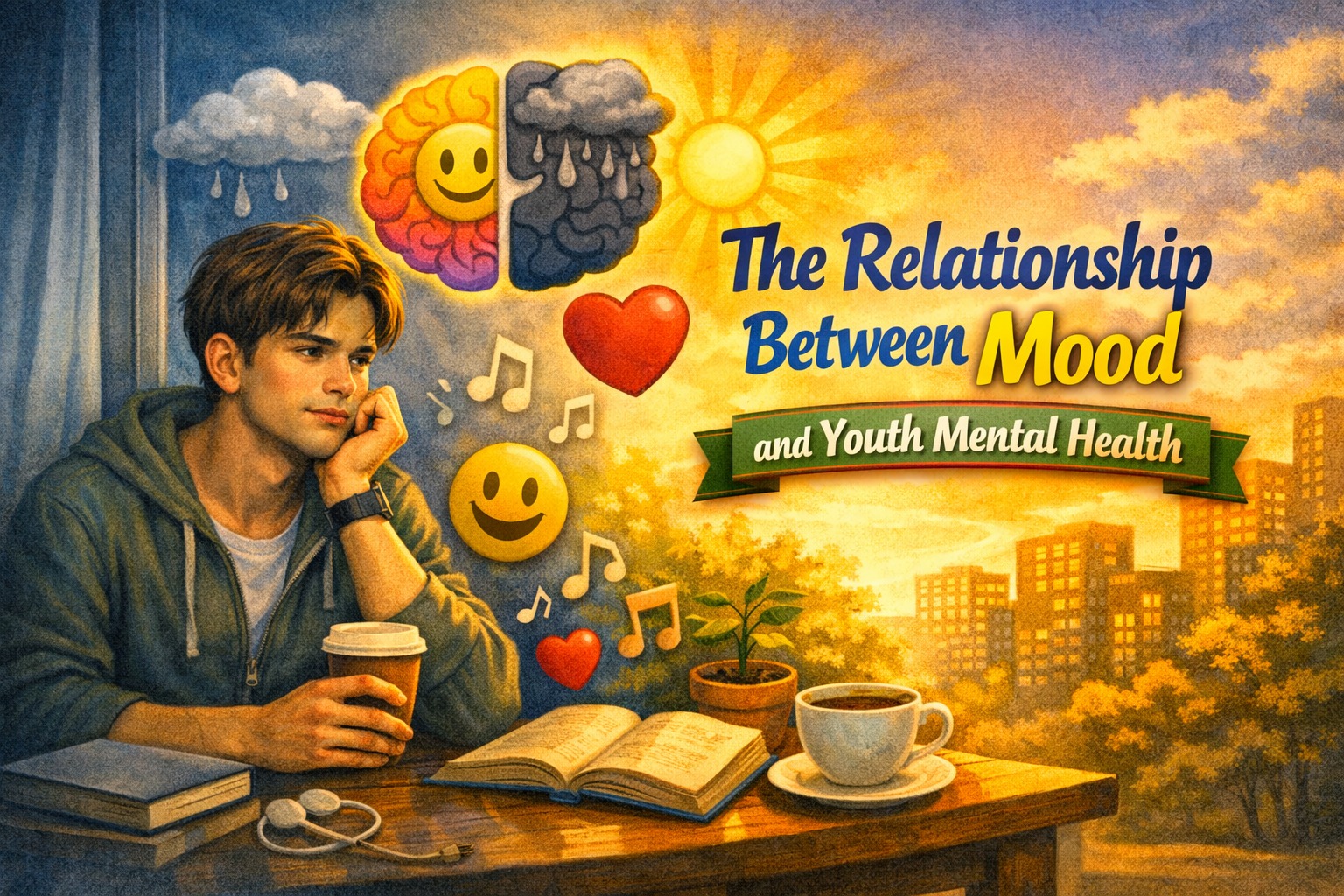
Young people experience many emotional changes during their teenage years. Academic pressure, social expectations, family problems, and digital lifestyles can strongly affect their mood. In recent years, discussions about youth mental health have become increasingly important because emotional well-being plays a major role in shaping a teenager’s future. Understanding the relationship between mood and mental health can help young people build healthier habits and stronger emotional resilience.
UNDERSTANDING MOOD IN YOUNG PEOPLE
Mood refers to a person’s emotional state over a certain period of time. Teenagers often experience mood swings due to hormonal changes, stress, or environmental influences. Feeling happy, sad, anxious, or frustrated is normal, but extreme or long-lasting emotional changes may become a warning sign of mental health issues.
Positive moods usually help teenagers stay motivated, productive, and socially connected. On the other hand, negative moods that continue for weeks can affect concentration, sleep quality, and self-confidence.
HOW MOOD AFFECTS MENTAL HEALTH
Mood and mental health are closely connected. When teenagers constantly feel stressed or emotionally overwhelmed, their mental health may decline. Negative emotions that are ignored for too long can increase the risk of anxiety, depression, and emotional exhaustion.
For example, students who experience continuous academic pressure may develop feelings of hopelessness. Social media comparisons can also create insecurity and emotional instability among teenagers. These emotional challenges can slowly impact their mental well-being if they are not handled properly.
Meanwhile, maintaining a positive mood can improve emotional balance. Teenagers who practice gratitude, communicate openly, and participate in healthy activities often show better mental resilience.
FACTORS THAT INFLUENCE YOUTH MOOD
Several factors can influence the mood of young people, including:
SOCIAL MEDIA USE
Excessive exposure to social media can affect emotions through cyberbullying, unrealistic beauty standards, and online comparisons. Teenagers may feel pressured to meet expectations created by digital trends.
FAMILY ENVIRONMENT
A supportive family environment helps teenagers feel safe and emotionally stable. Poor communication or constant conflict at home may increase stress and sadness.
ACADEMIC PRESSURE
School responsibilities, exams, and competition can create anxiety. Many teenagers feel overwhelmed when they struggle to balance education and personal life.
FRIENDSHIP AND SOCIAL LIFE
Healthy friendships can improve confidence and happiness. However, toxic relationships or social isolation may negatively affect emotional well-being.
THE IMPORTANCE OF EMOTIONAL SUPPORT
Teenagers need emotional support from parents, teachers, and friends. Listening without judgment and encouraging open communication can help young people express their feelings more comfortably.
Schools can also support mental health awareness by providing counseling programs and positive learning environments. Small acts of empathy and understanding can make a big difference in a teenager’s emotional condition.
HEALTHY WAYS TO IMPROVE MOOD
There are many simple ways teenagers can maintain a healthier mood and mental state, such as:
- Exercising regularly
- Getting enough sleep
- Limiting unhealthy social media use
- Spending time with supportive friends
- Practicing hobbies and creative activities
- Talking to trusted people about emotional struggles
Developing healthy habits can help teenagers manage stress more effectively and improve overall emotional well-being.
CONCLUSION
The relationship between mood and youth mental health is very significant. Emotional conditions influence how teenagers think, behave, and interact with others. While mood changes are a normal part of growing up, prolonged negative emotions should not be ignored. By building supportive environments and encouraging healthy emotional habits, young people can develop stronger mental health and face life’s challenges more confidently.
About the Author
Gusti Ayu Tita P
Author — STEKOM University
An active author focused on academic issues, educational technology, and human resource development in the campus environment.