The Role of Identity in Overcoming Social Pressure
Gusti Ayu Tita P
27 Juni 2026
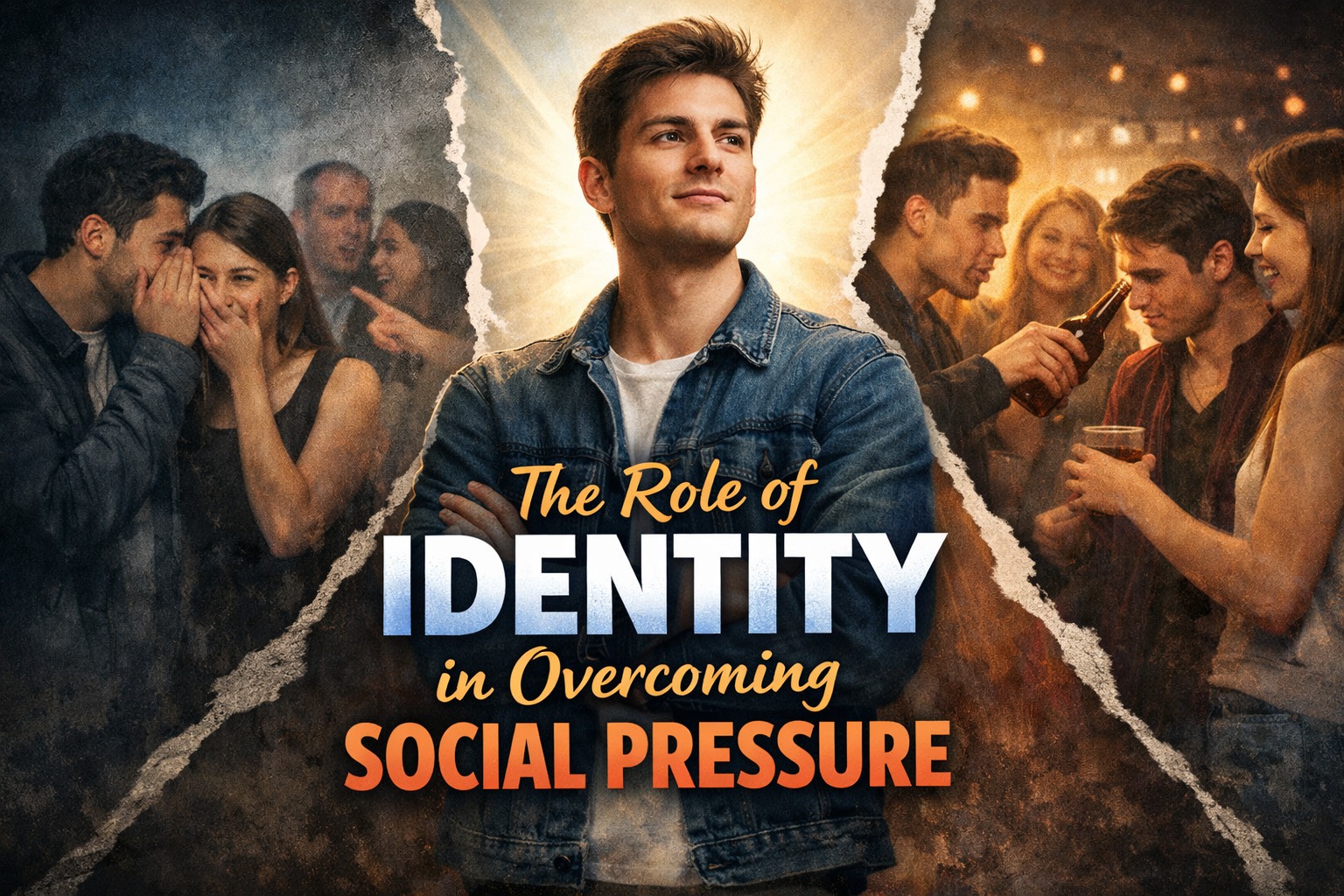
In today's fast-changing world, social pressure is a common challenge faced by people of all ages. Expectations from friends, family, society, and social media often influence how individuals think, act, and make decisions. While some pressure can encourage positive growth, excessive pressure may lead people to abandon their values and lose confidence in themselves. This is where identity plays a crucial role. A strong sense of identity helps individuals remain true to their beliefs, make independent choices, and navigate social challenges with confidence.
UNDERSTANDING IDENTITY AND ITS IMPORTANCE
Identity refers to the understanding of who we are, what we believe in, and what values guide our lives. It is shaped by personal experiences, culture, family background, education, and social interactions. A clear identity gives people a sense of purpose and direction, helping them make decisions that align with their personal goals.
When individuals understand themselves well, they are less likely to be influenced by external opinions. They can distinguish between constructive advice and harmful pressure. As a result, they become more confident in expressing their thoughts and maintaining their principles even in difficult situations.
HOW SOCIAL PRESSURE AFFECTS INDIVIDUALS
Social pressure occurs when people feel compelled to behave in certain ways to gain acceptance or avoid criticism. This pressure can come from peers, workplace environments, social groups, or online communities. In many cases, individuals may change their behavior simply to fit in.
Excessive social pressure can negatively impact mental well-being. It may cause stress, anxiety, self-doubt, and fear of rejection. Over time, people who constantly seek approval from others may lose sight of their authentic selves and struggle to make decisions independently.
THE CONNECTION BETWEEN IDENTITY AND RESILIENCE
A strong personal identity contributes significantly to emotional resilience. Individuals who know their values and priorities are better equipped to handle criticism, rejection, and societal expectations. They are less likely to compromise their beliefs simply to gain approval from others.
Resilience allows people to recover from setbacks and maintain a positive outlook despite challenges. When identity is firmly established, individuals can view social pressure objectively and decide whether it aligns with their goals rather than reacting impulsively to external influences.
BUILDING A STRONG IDENTITY TO RESIST NEGATIVE INFLUENCES
Developing a strong identity requires self-reflection and continuous personal growth. Individuals should regularly evaluate their values, strengths, interests, and long-term aspirations. Understanding these aspects creates a solid foundation for making confident decisions.
Another important step is surrounding oneself with supportive and positive influences. Healthy relationships encourage authenticity rather than conformity. By engaging with people who respect personal differences, individuals can strengthen their confidence and remain true to their identity even in challenging social situations.
THE ROLE OF SELF-CONFIDENCE IN OVERCOMING SOCIAL PRESSURE
Self-confidence and identity are closely connected. People who trust their abilities and judgment are less vulnerable to manipulation or peer pressure. They are more comfortable expressing opinions and making choices that reflect their genuine beliefs.
Confidence does not mean ignoring feedback from others. Instead, it involves evaluating opinions thoughtfully while maintaining personal integrity. This balance enables individuals to grow without sacrificing their core values or sense of self.
PRACTICAL STRATEGIES FOR MAINTAINING AUTHENTICITY
Maintaining authenticity in a society filled with expectations requires conscious effort. One effective strategy is setting clear personal boundaries. Boundaries help individuals protect their values and avoid situations that conflict with their principles.
Practicing self-awareness is equally important. Regular reflection on personal goals and motivations allows people to stay connected with their identity. Additionally, limiting unhealthy comparisons on social media can reduce pressure and encourage a healthier perspective on personal success and self-worth.
CONCLUSION
The role of identity in overcoming social pressure cannot be overstated. A strong sense of self provides the confidence, resilience, and clarity needed to navigate societal expectations without losing personal authenticity. By understanding their values, building self-confidence, and maintaining healthy boundaries, individuals can resist negative influences and make choices that reflect their true selves. Ultimately, a well-developed identity serves as a powerful foundation for personal growth, emotional well-being, and long-term success.
About the Author
Gusti Ayu Tita P
Author — STEKOM University
An active author focused on academic issues, educational technology, and human resource development in the campus environment.