Tips For Avoiding Plagiarism In Scientific Papers
Gusti Ayu Tita P
16 September 2026
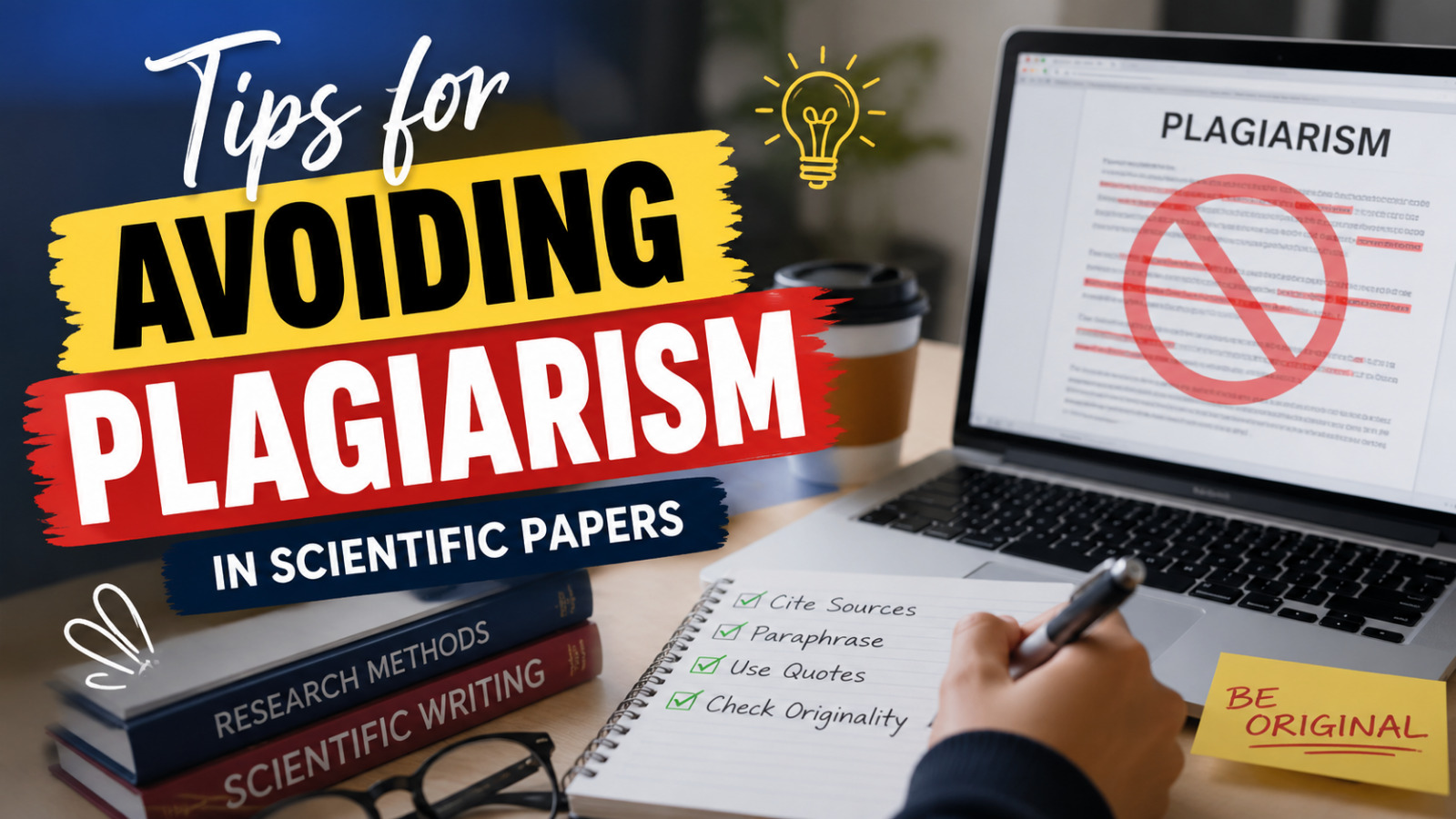
Writing a scientific paper requires honesty, accuracy, and academic responsibility. One of the biggest challenges faced by students and researchers is avoiding plagiarism. Avoiding Plagiarism is essential because it protects intellectual property, strengthens academic credibility, and demonstrates ethical research practices. Even unintentional plagiarism can reduce the quality of a paper and may lead to academic penalties.
Developing good writing habits from the beginning makes the research process more efficient and trustworthy. By understanding proper citation methods, improving paraphrasing skills, and checking originality before submission, writers can produce high-quality scientific papers. Following these practices not only improves writing quality but also builds confidence throughout the research process.
UNDERSTANDING WHAT PLAGIARISM MEANS
Plagiarism Prevention begins with understanding what plagiarism actually is. Plagiarism occurs when someone uses another person's words, ideas, data, or research findings without giving proper credit. This can happen intentionally or accidentally, making it important for every researcher to understand academic ethics. Even copying a few sentences without citation may be considered plagiarism in many institutions.
Understanding different forms of plagiarism helps writers avoid common mistakes. Direct copying, improper paraphrasing, self-plagiarism, and missing citations are among the most frequent issues found in scientific papers. Learning these concepts early helps create responsible writing habits and supports long-term academic success.
USE PROPER CITATION METHODS
Using Proper Citation is one of the most effective ways to avoid plagiarism. Every idea, quotation, statistic, or research finding taken from another source should be properly referenced according to the required citation style. Common formats include APA, MLA, Chicago, and IEEE, depending on academic requirements. Correct citations show respect for the original author's work while increasing the credibility of your own research.
Consistent citation also allows readers to verify your references and explore the original sources. Keeping detailed notes while conducting research makes it easier to organize references later. This habit reduces the risk of forgetting source information during the writing process.
IMPROVE YOUR PARAPHRASING SKILLS
Academic Writing requires the ability to explain ideas using your own words without changing their original meaning. Effective paraphrasing demonstrates that you understand the source material rather than simply copying it. Good paraphrasing involves restructuring sentences, changing vocabulary naturally, and maintaining the author's intended message.
Simply replacing a few words with synonyms is not enough to avoid plagiarism. After paraphrasing, always compare your version with the original to ensure it is sufficiently different. Adding an appropriate citation is still necessary because the original idea belongs to another author.
USE PLAGIARISM CHECKING TOOLS
Modern technology provides many tools that help writers evaluate the originality of their work. Original Content can be maintained by using plagiarism detection software before submitting a scientific paper. These tools compare your writing with published materials and identify sections that may require revision or additional citations.
Although plagiarism checkers are useful, they should not replace careful writing practices. Authors should review every highlighted section and make necessary improvements manually. Combining careful editing with originality checking produces stronger and more reliable scientific papers.
DEVELOP ETHICAL RESEARCH HABITS
Maintaining Research Ethics is essential throughout the entire writing process. Ethical researchers always document their sources, keep accurate research notes, and avoid manipulating information. These habits improve transparency and help maintain the integrity of scientific publications.
Planning your writing schedule also reduces the temptation to copy material because of limited time. By managing deadlines effectively, you can focus on producing original ideas supported by credible evidence. Ethical research practices contribute to better academic reputation and long-term professional development.
CONCLUSION
Avoiding plagiarism is a fundamental part of producing high-quality scientific papers. By practicing Proper Citation, improving Academic Writing skills, creating Original Content, applying Plagiarism Prevention strategies, and maintaining strong Research Ethics, writers can produce credible and professional research. Careful preparation and responsible writing habits not only protect academic integrity but also increase the overall quality and impact of every scientific paper.
About the Author
Gusti Ayu Tita P
Author — STEKOM University
An active author focused on academic issues, educational technology, and human resource development in the campus environment.