
Tips for Building a Positive Digital Footprint for Students and College Learners
Gusti Ayu Tita P
16 September 2026
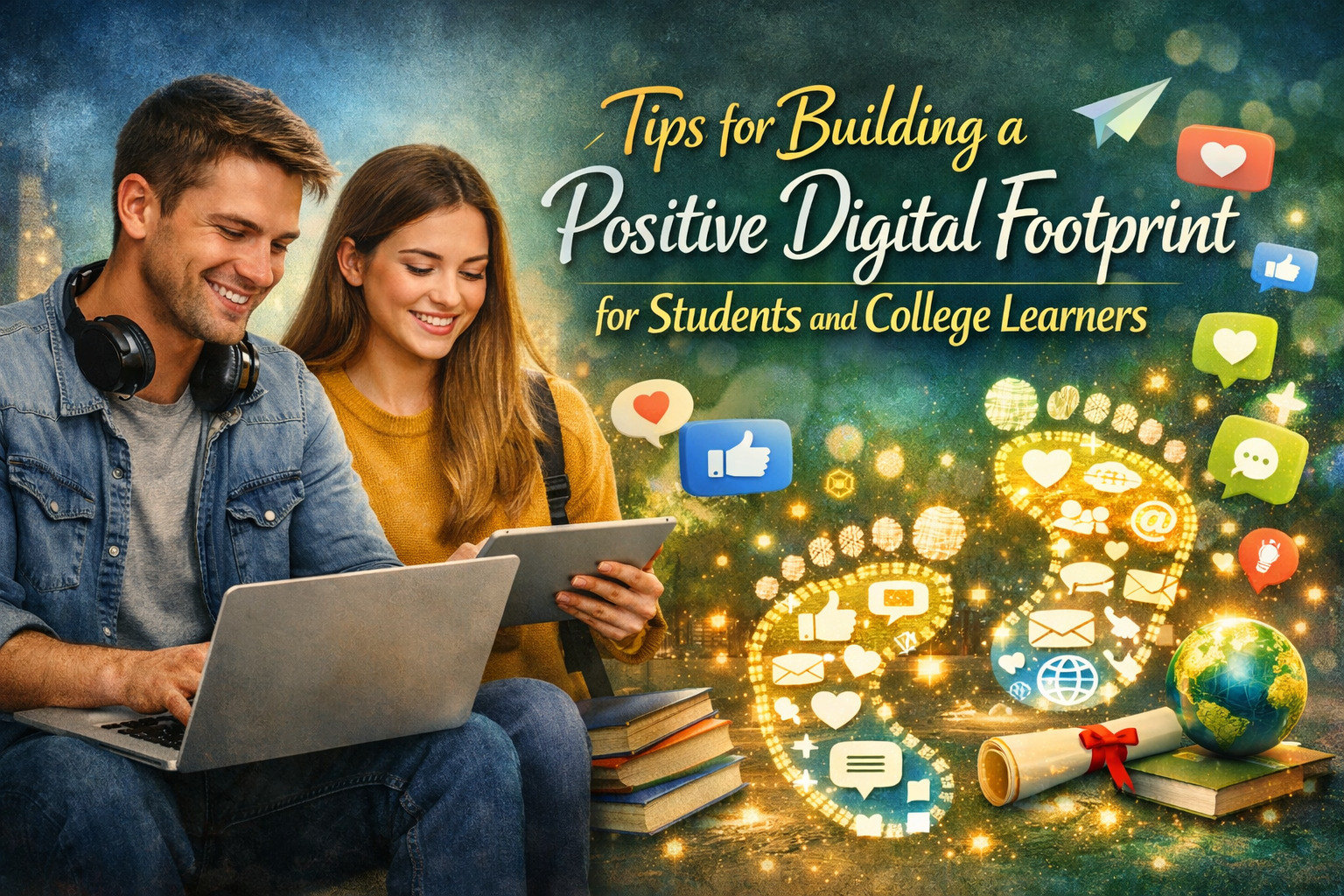
In today's digital world, every online action contributes to a person's digital identity. Whether posting on social media, commenting on websites, or participating in online classes, students leave traces that can be viewed by others. These traces form a digital footprint that can influence educational opportunities, internships, scholarships, and future careers.
Building a positive digital footprint is no longer optional for students and college learners. A strong and professional online presence can help create a positive impression and demonstrate responsibility, skills, and credibility. By following the right strategies, students can develop an online reputation that supports their academic and professional goals.
UNDERSTAND WHAT MAKES UP YOUR DIGITAL FOOTPRINT
The first step in building a positive digital footprint is understanding what it includes. A digital footprint consists of all information connected to your online activities, such as social media posts, comments, photos, videos, blogs, and online profiles. Even information shared years ago can remain accessible on the internet.
Students should regularly search their names online to see what information appears in search results. This simple habit helps identify content that may affect their online reputation. Understanding what others can see allows students to make informed decisions about their digital behavior and improve their digital identity over time.
USE SOCIAL MEDIA RESPONSIBLY
Social media platforms play a major role in shaping a person's digital footprint. Many employers, universities, and scholarship providers review social media profiles before making important decisions. Inappropriate content, offensive comments, or controversial posts can create a negative impression.
Students should focus on sharing content that reflects their interests, achievements, and positive values. Posting educational content, volunteering activities, academic accomplishments, and creative projects can strengthen a professional social media presence. Maintaining respectful communication online also helps build credibility and trust.
PROTECT YOUR ONLINE PRIVACY
A positive digital footprint is closely connected to strong online privacy practices. Students should be careful when sharing personal information such as phone numbers, addresses, financial details, or sensitive documents. Oversharing can increase privacy risks and expose individuals to cyber threats.
Using strong passwords, enabling two-factor authentication, and reviewing privacy settings regularly are important security measures. These habits help protect personal information while maintaining a safe and professional online image. Responsible privacy management demonstrates digital awareness and maturity.
CREATE AND SHARE VALUABLE CONTENT
One of the most effective ways to improve a digital footprint for students is by creating meaningful content. Students can write blogs, publish research summaries, share educational videos, or discuss topics related to their field of study. Valuable content helps showcase knowledge and expertise.
Consistently sharing useful information can improve visibility and strengthen personal branding. It also allows students to connect with educators, industry professionals, and fellow learners. Over time, high-quality content can become a powerful asset for academic and career development.
ENGAGE POSITIVELY IN ONLINE COMMUNITIES
Participating in online communities can significantly enhance a student's digital presence. Educational forums, professional networking platforms, and student organizations provide opportunities to learn, collaborate, and exchange ideas. Positive engagement demonstrates communication and teamwork skills.
Students should always remain respectful when interacting online, even during disagreements. Constructive discussions and thoughtful contributions help establish a reputation for professionalism and integrity. These qualities are highly valued in both academic and professional environments.
REGULARLY REVIEW AND CLEAN UP OLD CONTENT
Many students forget about posts, comments, and photos shared years earlier. However, outdated or inappropriate content can continue to affect their online reputation. Conducting regular digital audits helps identify material that no longer reflects current values or goals.
Deleting unnecessary content and updating old profiles can improve the overall quality of a digital footprint. Students should also ensure that information across various platforms remains accurate and professional. A clean and consistent online presence supports long-term success.
BUILD A PROFESSIONAL ONLINE PROFILE
Creating professional profiles on academic and career-oriented platforms can strengthen a student's digital identity. These profiles allow students to showcase education, certifications, projects, skills, and achievements in a structured manner.
A well-maintained professional profile demonstrates commitment to learning and career growth. It also makes it easier for recruiters, educators, and organizations to discover a student's accomplishments. Investing time in professional networking can open doors to valuable opportunities in the future.
CONCLUSION
A positive digital footprint can provide significant advantages for students and college learners. By managing social media responsibly, protecting online privacy, creating valuable content, and maintaining a professional digital identity, students can build a strong and trustworthy online reputation.
The internet records much of what people do online, making it essential to think carefully before posting or sharing information. Developing good digital habits today can support academic success, strengthen personal branding, and create better opportunities for future education and career advancement.
About the Author
Gusti Ayu Tita P
Author — STEKOM University
An active author focused on academic issues, educational technology, and human resource development in the campus environment.