Tips for Living on a Minimum Wage Salary
Gusti Ayu Tita P
1 Juli 2026
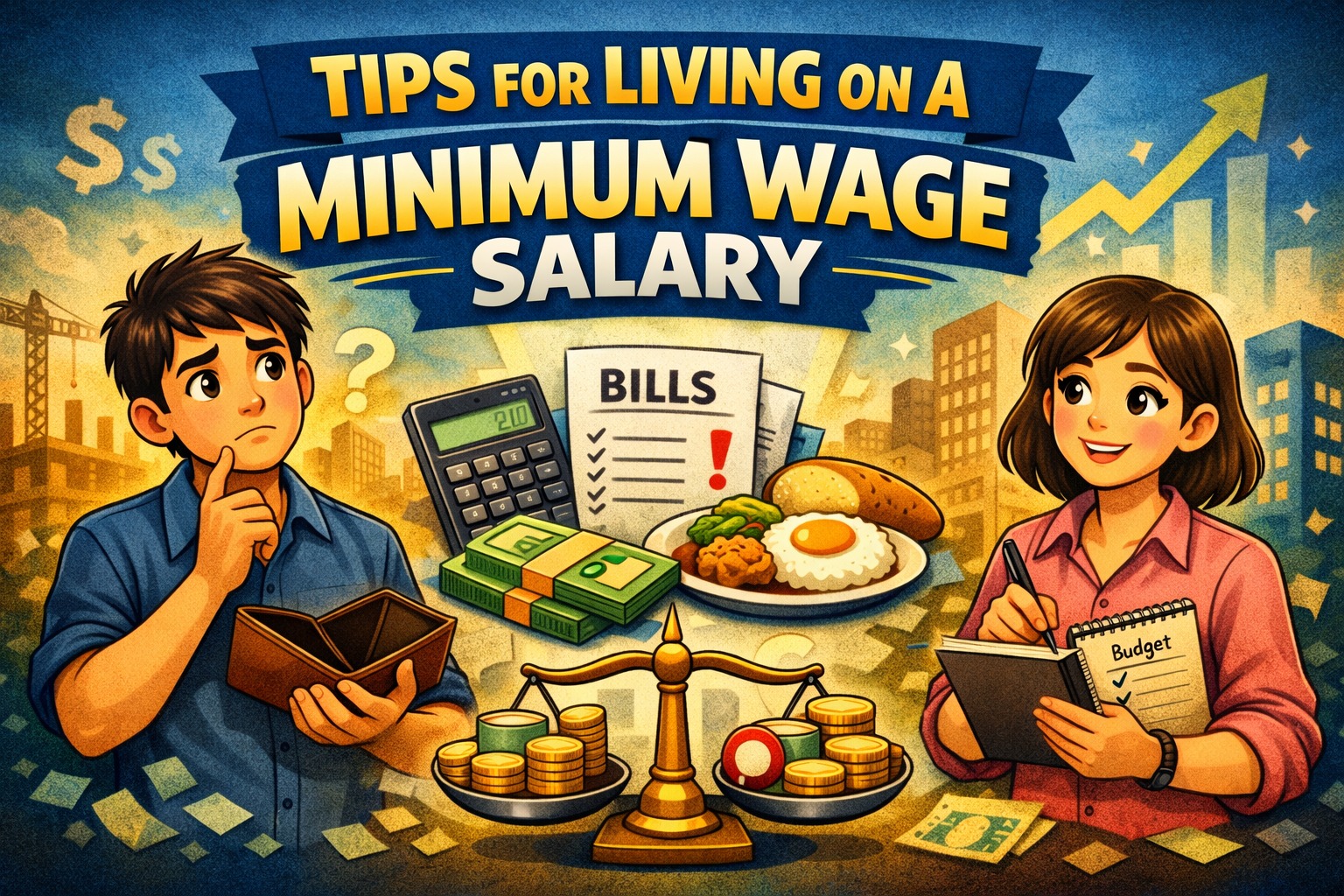
Living on a minimum wage salary can be challenging, especially when the cost of food, transportation, housing, and daily necessities continues to rise. Many workers must carefully manage their finances to ensure their income is enough to cover monthly expenses while still saving for emergencies and future goals.
Although earning a minimum wage may feel limiting, good financial habits and smart lifestyle choices can help workers live more comfortably and reduce financial stress.
CREATE A MONTHLY BUDGET
One of the most important steps for managing a minimum wage salary is creating a realistic monthly budget. A budget helps track income and expenses so money can be used more efficiently.
Start by dividing expenses into categories such as:
- Housing or rent
- Food and groceries
- Transportation
- Utilities
- Internet and phone bills
- Savings
- Emergency funds
Tracking spending habits helps identify unnecessary expenses that can be reduced or eliminated.
PRIORITIZE ESSENTIAL NEEDS
When income is limited, essential expenses should always come first. Focus on needs instead of wants.
Important priorities usually include:
- Rent and housing
- Food
- Transportation to work
- Healthcare
- Basic utilities
Reducing unnecessary shopping, entertainment spending, or impulsive purchases can help prevent financial problems later.
COOK MEALS AT HOME
Eating at restaurants or ordering food online regularly can quickly drain a monthly salary. Cooking at home is usually much cheaper and healthier.
Simple ways to save money on food include:
- Buying groceries in bulk
- Preparing weekly meal plans
- Bringing lunch to work
- Limiting expensive snacks and drinks
Small savings from daily food expenses can make a significant difference over time.
USE PUBLIC TRANSPORTATION
Transportation costs can consume a large part of a minimum wage salary. Public transportation is often more affordable than using private vehicles every day.
Using buses, trains, shared transportation, or bicycles can help reduce spending on:
- Fuel
- Parking
- Vehicle maintenance
- Insurance
Choosing affordable transportation methods also helps improve long-term financial stability.
BUILD AN EMERGENCY FUND
Even workers with limited salaries should try to save money regularly. An emergency fund is important for handling unexpected situations such as medical expenses, job loss, or urgent repairs.
A simple saving strategy is:
- Save a small percentage of each paycheck
- Use automatic savings transfers if possible
- Avoid using savings for non-emergency spending
Consistency matters more than saving large amounts at once.
AVOID UNNECESSARY DEBT
Loans and credit card debt can become dangerous if monthly income is already limited. High interest payments may create additional financial pressure.
To reduce debt risks:
- Avoid impulsive online shopping
- Borrow only for important needs
- Pay bills on time
- Limit credit card usage
Managing debt carefully helps protect financial health.
FIND ADDITIONAL SOURCES OF INCOME
Many people earning minimum wage increase their income through side jobs or freelance work. Extra income can help cover expenses, build savings, or pay off debt faster.
Popular side income opportunities include:
- Freelance writing
- Online selling
- Graphic design
- Content creation
- Tutoring
- Delivery services
- Social media management
Developing additional skills may also improve future career opportunities.
TAKE ADVANTAGE OF DISCOUNTS AND PROMOTIONS
Careful shopping habits can help stretch a minimum wage salary further.
Useful money-saving habits include:
- Comparing prices before buying
- Using discount coupons
- Shopping during sales
- Buying second-hand items when appropriate
- Taking advantage of cashback programs
Being financially disciplined can create significant long-term savings.
SHARE LIVING EXPENSES IF POSSIBLE
For some workers, sharing housing with family members, roommates, or relatives can reduce monthly expenses significantly.
Shared living arrangements may lower costs for:
- Rent
- Electricity
- Internet
- Household supplies
Lower housing expenses can provide more room for savings and emergency funds.
CONTINUE IMPROVING SKILLS
One of the best long-term strategies for escaping financial difficulties is improving professional skills. Higher skills often lead to better-paying job opportunities.
Workers can learn new skills through:
- Online courses
- Certifications
- Workshops
- Internships
- Self-study programs
Fields such as technology, digital marketing, finance, and design often offer strong salary growth opportunities.
MAINTAIN A HEALTHY LIFESTYLE
Medical expenses can become a major financial burden. Maintaining good health helps reduce unnecessary healthcare costs.
Simple healthy habits include:
- Getting enough sleep
- Exercising regularly
- Drinking enough water
- Avoiding smoking and excessive alcohol consumption
- Eating balanced meals
A healthy lifestyle also improves work productivity and energy levels.
SET REALISTIC FINANCIAL GOALS
Having clear financial goals helps maintain motivation and discipline.
Examples of realistic goals include:
- Saving for emergencies
- Paying off debt
- Building a business
- Continuing education
- Purchasing essential assets
Small financial progress over time can create long-term stability.
STAY POSITIVE AND AVOID COMPARING YOURSELF TO OTHERS
Financial pressure can feel emotionally exhausting, especially when comparing lifestyles on social media. Everyone’s financial journey is different.
Focusing on personal progress, responsible spending, and steady improvement is more important than trying to match other people’s lifestyles.
CONCLUSION
Living on a minimum wage salary requires discipline, smart financial planning, and consistent money management. While challenges may exist, creating a budget, reducing unnecessary spending, saving regularly, and improving skills can help workers achieve better financial stability.
With patience and careful planning, people earning minimum wage can still build a secure future and gradually improve their quality of life.
About the Author
Gusti Ayu Tita P
Author — STEKOM University
An active author focused on academic issues, educational technology, and human resource development in the campus environment.