Understanding Office Politics and Its Impact on Career Growth
Gusti Ayu Tita P
30 Juni 2026
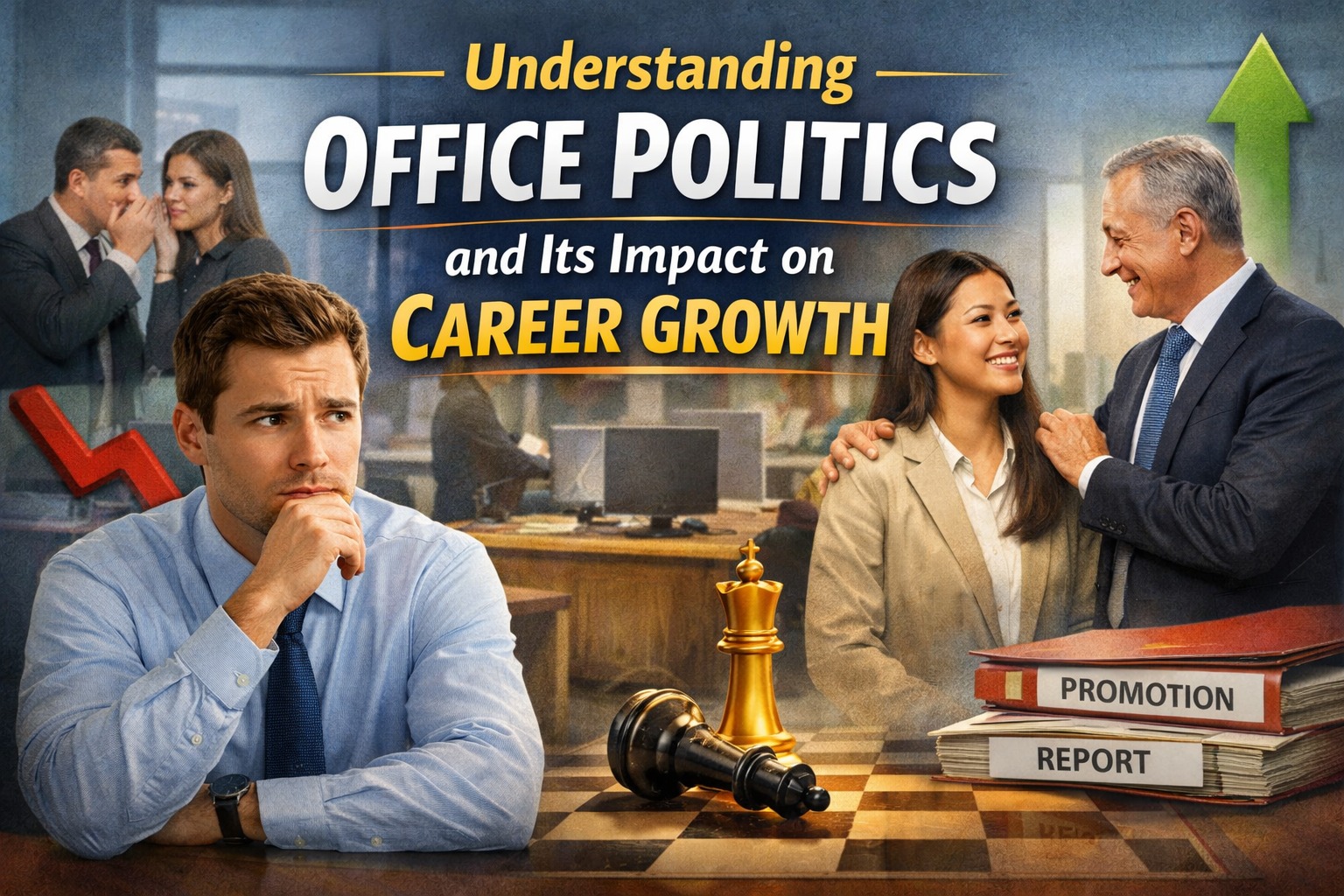
Office politics is a common part of many workplaces. It refers to the relationships, influence, communication patterns, and power dynamics that exist among employees and management. While some people view office politics negatively, understanding how it works can help professionals navigate the workplace more effectively. When managed properly, office politics can support collaboration, career advancement, and stronger professional relationships.
Career growth is not determined solely by technical skills and job performance. Employees who understand workplace dynamics often have better opportunities to showcase their abilities, build credibility, and gain support from colleagues and leaders. Therefore, learning about office politics is an important step toward long-term professional success.
WHAT IS OFFICE POLITICS?
Office politics refers to the way individuals and groups interact within an organization to achieve goals, gain influence, or secure resources. These interactions can be formal, such as working with management, or informal, such as building relationships with coworkers. Office politics exists in almost every organization regardless of its size or industry.
Not all office politics is harmful. Positive office politics involves collaboration, networking, and effective communication that help teams achieve shared objectives. Negative office politics, on the other hand, may involve favoritism, manipulation, or unhealthy competition that can create workplace conflicts and reduce productivity.
HOW OFFICE POLITICS AFFECTS CAREER GROWTH
Office politics can significantly influence an employee's career path. Individuals who understand workplace relationships often gain greater visibility among decision-makers. This visibility can lead to opportunities such as promotions, leadership roles, and involvement in important projects.
At the same time, employees who ignore workplace dynamics may struggle to have their contributions recognized. Even highly skilled professionals can face career stagnation if they fail to build professional connections and communicate their achievements effectively. Therefore, balancing performance with relationship-building is often essential for career advancement.
POSITIVE IMPACTS OF OFFICE POLITICS
When approached ethically, office politics can provide several benefits. Employees who maintain strong professional relationships often receive valuable information, mentorship, and support from colleagues. These connections can help them solve problems more efficiently and adapt to organizational changes.
Another advantage is increased professional visibility. By participating in discussions, collaborating across departments, and demonstrating leadership qualities, employees can strengthen their reputation within the organization. This positive recognition often contributes to greater career opportunities and long-term success.
NEGATIVE IMPACTS OF OFFICE POLITICS
Despite its potential benefits, office politics can also create challenges. Unhealthy political behavior may lead to workplace stress, misunderstandings, and reduced employee morale. When personal interests become more important than organizational goals, teamwork can suffer significantly.
Negative office politics may also affect fairness in decision-making. Employees who feel excluded or overlooked can become disengaged and less motivated. Over time, this environment may increase turnover rates and reduce overall organizational performance. Recognizing these risks is important for maintaining a healthy workplace culture.
STRATEGIES FOR NAVIGATING OFFICE POLITICS EFFECTIVELY
The best way to navigate office politics is by maintaining professional integrity and building genuine relationships. Employees should focus on clear communication, mutual respect, and collaboration rather than engaging in gossip or manipulation. Establishing trust with colleagues and supervisors creates a strong foundation for professional growth.
It is also important to understand organizational goals and workplace culture. Employees who align their efforts with company objectives are often viewed as valuable contributors. By consistently delivering quality work while maintaining positive relationships, professionals can manage office politics effectively and support their career development.
BUILDING A HEALTHY PROFESSIONAL REPUTATION
A strong reputation is one of the most valuable assets in any career. Consistently demonstrating reliability, accountability, and teamwork helps employees earn respect from colleagues and leaders. These qualities often carry more weight than short-term political advantages.
Developing emotional intelligence is equally important. Professionals who can manage emotions, understand different perspectives, and resolve conflicts constructively are more likely to succeed in complex workplace environments. A positive reputation built on trust and competence supports sustainable career growth over time.
CONCLUSION
Understanding office politics is essential for anyone seeking long-term career success. While office politics can have both positive and negative effects, employees who approach workplace relationships ethically can benefit from greater visibility, stronger networks, and improved career opportunities. The key is to balance professional performance with effective communication and collaboration.
By focusing on integrity, relationship-building, and professional development, individuals can navigate workplace dynamics confidently and create a path toward meaningful career growth.
About the Author
Gusti Ayu Tita P
Author — STEKOM University
An active author focused on academic issues, educational technology, and human resource development in the campus environment.