What Causes Students to Run Out of Allowance?
Gusti Ayu Tita P
28 September 2026
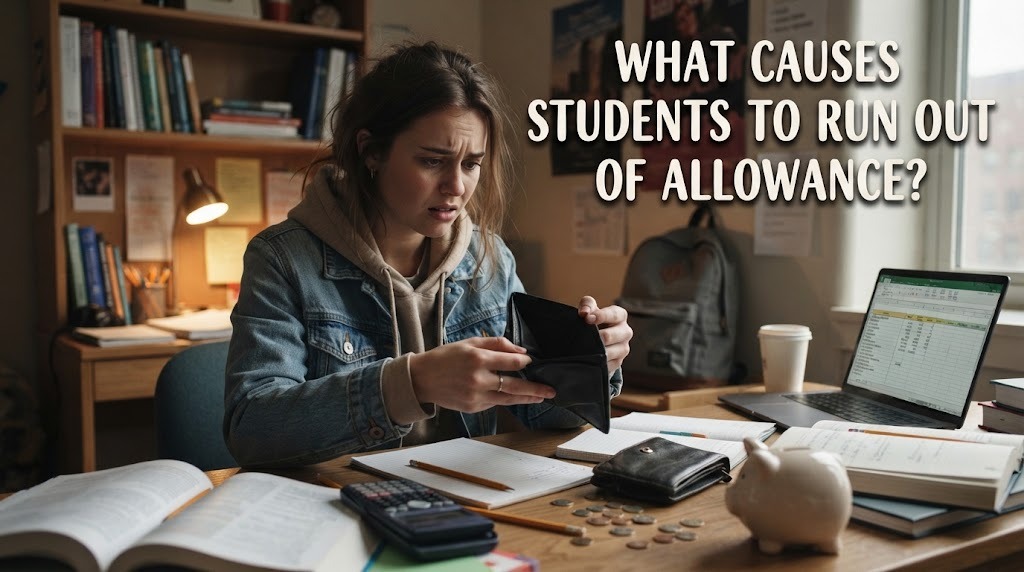
Running out of allowance before the next payment period is a common financial problem for students. College students often need money for food, transportation, academic activities, communication, and personal needs. When these expenses are not managed carefully, the available allowance can disappear faster than expected. Understanding the causes of insufficient allowance can help students recognize unhealthy spending patterns and make better financial decisions. With proper planning, students can make their allowance more useful and easier to manage.
NOT PLANNING EXPENSES IN ADVANCE
One major cause of students running out of allowance is the lack of advance financial planning. Some students spend their money based on immediate needs without estimating how much they will need throughout the week or month. This can result in excessive spending during the early part of the allowance period.
Planning expenses allows students to divide their money according to different priorities. They can estimate costs for food, transportation, academic needs, communication, and personal activities. A simple spending plan can prevent money from being used too quickly. It also gives students a clearer idea of how much they can safely spend each day.
SPENDING TOO MUCH ON DAILY FOOD
Food can take up a significant portion of a student's allowance. Buying meals, drinks, snacks, and food delivery regularly can become expensive, especially when these purchases happen several times a day. Students may not realize how much they spend on food until they calculate the total at the end of the week.
Students can manage this expense by setting a daily food budget and choosing affordable options. Bringing food or drinks from home when possible can also reduce repeated purchases. Controlling food expenses does not mean avoiding proper meals, but rather finding a balance between nutritional needs and available money.
FREQUENT UNNECESSARY PURCHASES
Frequent purchases that are not essential can also cause students to run out of allowance. These may include unnecessary clothing, accessories, snacks, entertainment, or online purchases. Individual purchases may appear affordable, but repeated spending can gradually reduce the available budget.
Students should consider whether a purchase is necessary before spending money. Creating a specific limit for non-essential expenses can make this process easier. Being selective about optional purchases allows students to keep more money for important needs and future expenses.
IMPULSE BUYING AND PROMOTIONS
Impulse buying is another common cause of financial problems among students. Discounts, limited-time offers, attractive advertisements, and social media promotions can encourage students to buy things they did not originally plan to purchase. Although the price may seem low, repeated promotional purchases can still consume a significant amount of money.
Students can avoid this habit by waiting before making non-essential purchases. They can compare the item with their existing needs and consider whether the purchase fits their budget. A discount does not automatically make an item necessary. Thinking carefully before buying can help students protect their allowance from unnecessary spending.
NOT RECORDING EXPENSES
Students may also run out of allowance because they do not record their expenses. Without a record, it is difficult to know how much money has already been spent. Small purchases can easily be forgotten, making the remaining allowance seem larger than it actually is.
Keeping a simple spending record can provide a clearer picture of financial habits. Students can write down their expenses every day and review them at the end of the week. Expense records help identify where money is being used and make it easier to change habits that cause excessive spending.
LACK OF EMERGENCY RESERVES
Unexpected expenses can quickly affect a student's allowance when there is no emergency reserve. Academic projects, transportation problems, damaged belongings, or other urgent situations may require additional money. If the entire allowance has already been spent, students may have difficulty covering these costs.
Setting aside a small amount can provide protection against unexpected situations. The reserve does not need to be large, especially when the allowance is limited. Even a modest financial reserve can provide useful flexibility when an unexpected expense appears. Over time, this habit can also encourage students to think more carefully about future financial needs.
CONCLUSION
Students can run out of allowance because of poor planning, high daily food expenses, unnecessary purchases, impulse buying, and a lack of expense tracking. Unexpected costs can make the situation worse when students do not have money set aside for emergencies. These factors can occur individually or at the same time, causing an allowance to disappear before the next payment period.
The solution begins with understanding personal spending habits and setting realistic priorities. Planning expenses, controlling optional spending, recording purchases, and keeping a small reserve can help students manage their allowance more effectively. These habits can also teach students important financial skills that remain useful beyond their college years.
About the Author
Gusti Ayu Tita P
Author — STEKOM University
An active author focused on academic issues, educational technology, and human resource development in the campus environment.