What Is the Relationship Between Gratitude and Happiness?
Gusti Ayu Tita P
8 Juli 2026
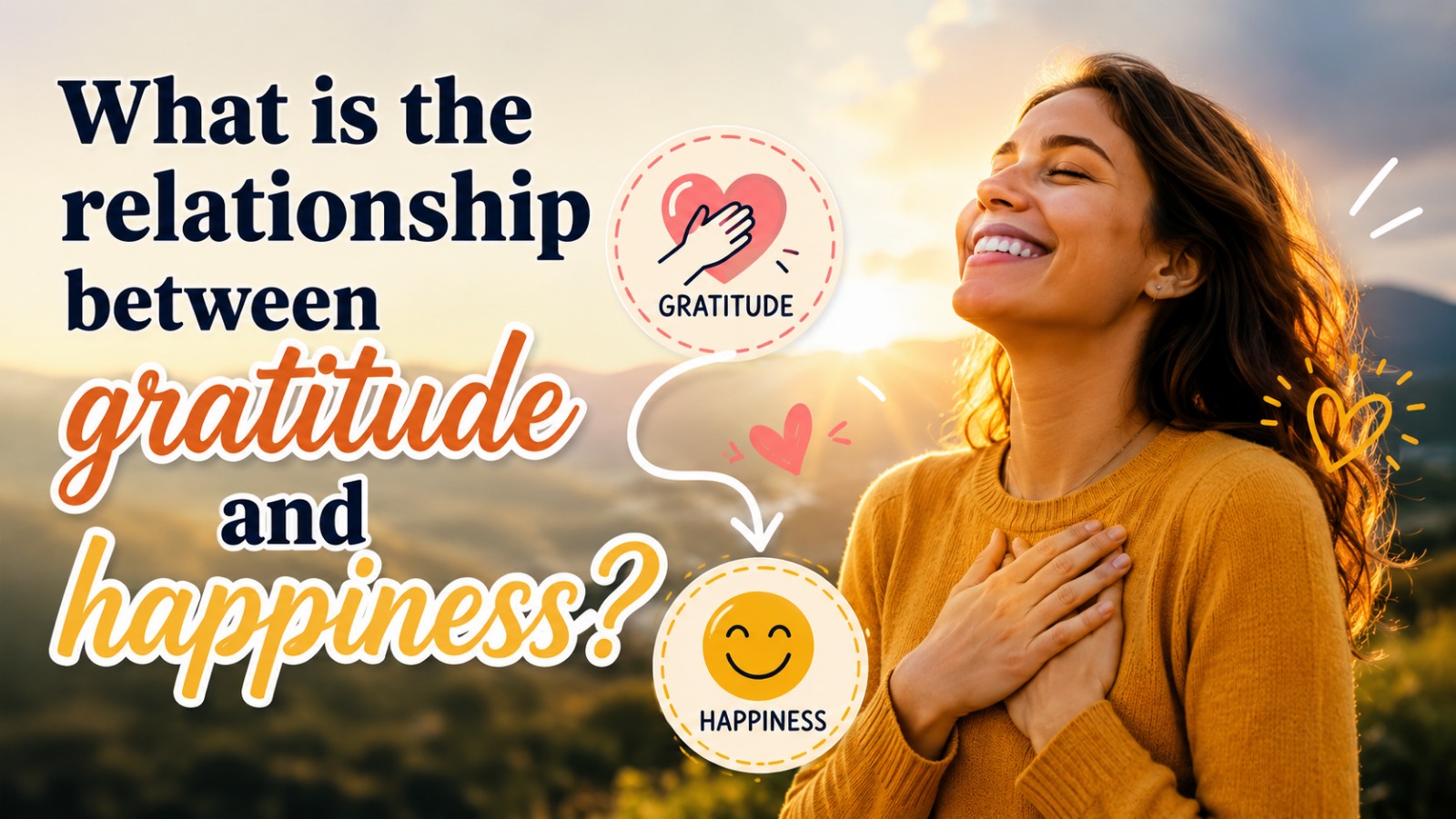
Happiness is often seen as something people chase throughout their lives. Many believe it comes from success, wealth, or achievements. However, research and life experience often point to a simpler truth: gratitude plays a powerful role in shaping true happiness. But how exactly are gratitude and happiness connected?
UNDERSTANDING GRATITUDE
Gratitude is the practice of recognizing and appreciating the positive things in life, no matter how small they may seem. It is not only about saying “thank you,” but also about truly acknowledging the value of experiences, people, and moments we often take for granted.
When a person develops gratitude, they begin to focus more on what they have rather than what they lack. This shift in mindset can significantly influence emotional well-being and life satisfaction.
HOW GRATITUDE INFLUENCES HAPPINESS
Gratitude has a direct impact on happiness because it changes the way people perceive their lives. Instead of focusing on problems or missing desires, grateful individuals tend to notice positive aspects more easily.
For example, someone who practices gratitude regularly may feel happier even during difficult times, because they can still recognize small blessings such as supportive friends, good health, or simple daily comforts. This ability to see the good in life helps create a more stable sense of happiness.
THE PSYCHOLOGICAL BENEFITS OF GRATITUDE
Studies in psychology have shown that gratitude is strongly linked to improved mental health. People who regularly practice gratitude often experience lower stress levels, reduced anxiety, and better emotional resilience.
Gratitude also encourages positive thinking patterns. When the mind is trained to focus on appreciation, it becomes less likely to dwell on negativity. Over time, this can lead to a more optimistic and balanced outlook on life.
GRATITUDE IN DAILY LIFE
Practicing gratitude does not require big actions. It can start with simple habits such as writing a gratitude journal, expressing appreciation to others, or taking a moment each day to reflect on positive experiences.
These small actions, when done consistently, can gradually reshape how a person views their life. Instead of constantly chasing happiness in the future, they begin to experience it in the present moment.
THE BALANCE BETWEEN GRATITUDE AND HAPPINESS
While happiness is often seen as a goal, gratitude acts as a pathway that leads to it. The two are deeply connected, but gratitude is more about the process, while happiness is the result that follows naturally.
When people learn to appreciate what they already have, happiness becomes less dependent on external achievements and more rooted in inner peace.
CONCLUSION
The relationship between gratitude and happiness is strong and meaningful. Gratitude helps individuals shift their focus from lack to abundance, which naturally increases feelings of happiness. Instead of waiting for happiness to arrive, practicing gratitude allows people to experience it in everyday life.
About the Author
Gusti Ayu Tita P
Author — STEKOM University
An active author focused on academic issues, educational technology, and human resource development in the campus environment.