Why do we often feel less happy even after achieving success?
Gusti Ayu Tita P
10 Juli 2026
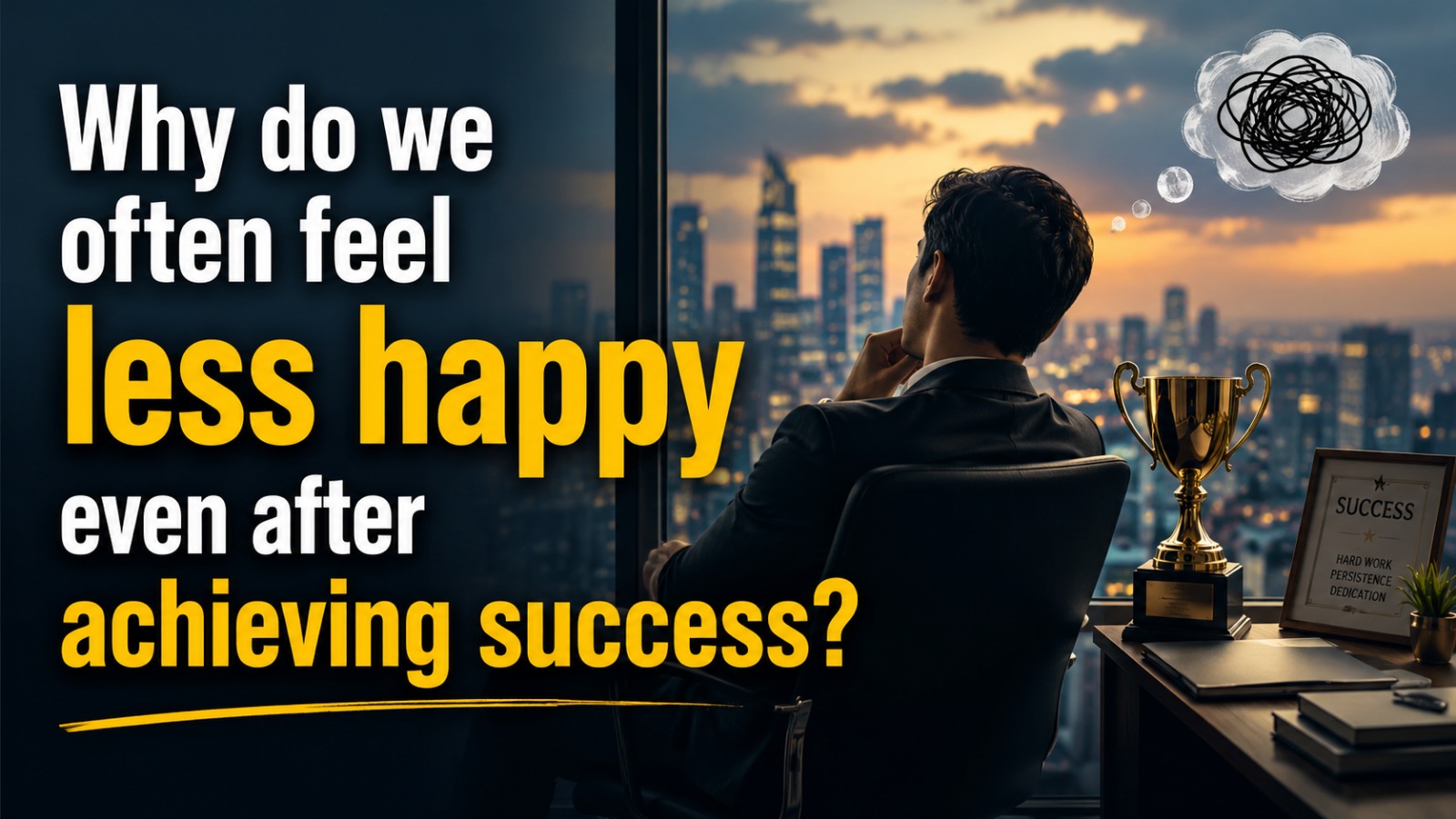
Many people believe that success is the ultimate path to happiness. We are often told that if we study hard, build a career, earn money, and reach our goals, we will finally feel fulfilled. However, reality often feels different. Instead of lasting happiness, many people experience emptiness or a sense of “something is still missing” after achieving success.
THE EXPECTATION VS REALITY GAP
One of the main reasons people feel less happy after success is the gap between expectation and reality. Before achieving a goal, we imagine that success will bring permanent joy, confidence, and satisfaction. But once we reach it, the emotional impact is often short-lived.
This happens because the human mind quickly adapts to new situations. What once felt exciting soon becomes normal. As a result, the happiness we expected to last forever slowly fades.
HEDONIC ADAPTATION EFFECT
Psychologists often refer to this phenomenon as hedonic adaptation. It explains why people return to a relatively stable level of happiness, no matter what positive changes happen in their lives.
For example, a promotion, a new house, or a higher income may bring temporary joy, but over time, these changes become part of everyday life. The brain then starts looking for new sources of satisfaction, creating a cycle of endless desire.
THE PRESSURE OF HIGHER STANDARDS
Success often raises personal expectations. After achieving one goal, new targets immediately appear. Instead of feeling satisfied, people begin to focus on what they have not yet achieved.
This constant pressure can reduce the ability to enjoy current accomplishments. Even meaningful achievements may feel “not enough” because attention shifts toward the next milestone.
LACK OF INNER FULFILLMENT
Another important factor is the difference between external success and internal fulfillment. External success includes things like money, status, and recognition. Internal fulfillment, however, comes from meaning, purpose, and emotional well-being.
When success is achieved without inner balance, it may feel empty. A person might look successful on the outside but still feel unhappy on the inside because emotional needs are not fully met.
COMPARISON AND SOCIAL INFLUENCE
In the modern world, social comparison also plays a big role. People constantly compare their achievements with others through social media and society’s expectations. Even after reaching success, seeing others who seem “more successful” can reduce satisfaction.
This comparison mindset makes it difficult to appreciate personal achievements, as success always feels relative rather than absolute.
HOW TO BUILD LASTING HAPPINESS
True happiness is not only about achieving goals but also about appreciating the journey. Practicing gratitude, setting meaningful goals, and focusing on personal growth can help create a more stable sense of satisfaction.
It is also important to balance ambition with contentment. Success can still be pursued, but without losing awareness of present moments and emotional well-being.
CONCLUSION
Feeling less happy after success is a common human experience. It is influenced by psychological adaptation, shifting expectations, and external comparisons. Understanding these factors can help people redefine success not just as achievement, but as a balanced and meaningful life journey.
About the Author
Gusti Ayu Tita P
Author — STEKOM University
An active author focused on academic issues, educational technology, and human resource development in the campus environment.