Why Does College Allowance Run Out Quickly?
Gusti Ayu Tita P
28 September 2026
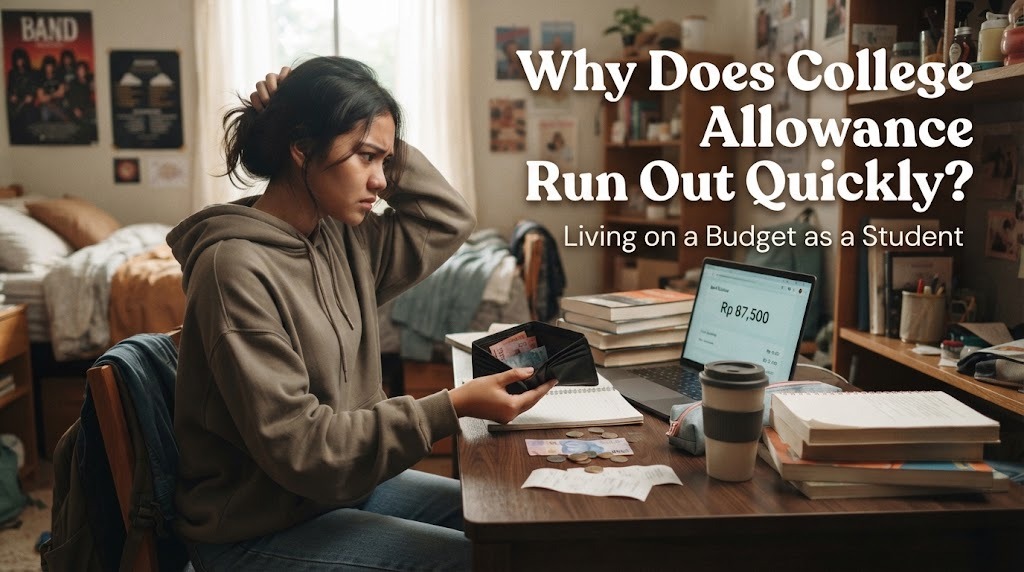
College allowance can run out quickly when students do not have a clear plan for managing their money. Daily expenses may seem small, but frequent spending can gradually use up a large part of the available allowance. Food, transportation, academic needs, entertainment, and unexpected expenses can all affect a student's budget. Without careful spending habits, money can disappear faster than expected. Understanding the common reasons behind this problem can help students manage their allowance more effectively.
NOT HAVING A CLEAR BUDGET
One common reason a college allowance runs out quickly is the lack of a clear budget. Students may receive their allowance and immediately start spending without deciding how much should be used for different needs. As a result, they may use too much money early in the week or month and have very little left later.
A simple budget can help students divide their allowance according to their priorities. They can set limits for food, transportation, academic expenses, personal activities, and savings. Knowing the spending limit before making purchases makes it easier to control daily expenses. A budget does not need to be complicated as long as it reflects the student's actual needs.
FREQUENT SMALL PURCHASES
Small purchases can also make an allowance disappear faster than expected. Buying snacks, drinks, online items, or other inexpensive products may not seem like a serious expense individually. However, making these purchases repeatedly can create a significant total cost over several days or weeks.
Students may not notice this pattern if they only focus on larger expenses. Recording every purchase can reveal how much money is being spent on small items. Small expenses can have a large cumulative effect when they occur frequently. Becoming aware of these habits can help students decide which purchases should be reduced.
SPENDING ON WANTS BEFORE NEEDS
Another reason allowance runs out quickly is spending money on wants before essential needs. Students may spend a large portion of their allowance on entertainment, shopping, food delivery, or social activities before paying for transportation or academic requirements. This can create financial problems when important expenses appear later.
Students should identify their essential expenses before deciding how much money can be used for personal wants. This does not mean that entertainment or social activities must be completely avoided. Prioritizing needs first simply ensures that important expenses are covered before money is spent on less essential activities.
IMPULSE BUYING
Impulse buying can have a noticeable effect on a college allowance. Students may purchase something because it looks attractive, is temporarily discounted, or appears interesting at the moment. These purchases are often not included in the original spending plan.
A simple way to reduce impulse buying is to pause before making a purchase. Students can ask themselves whether the item is necessary, whether they have already planned for it, and whether buying it will affect other expenses. Thinking before spending can reduce unnecessary purchases and help students maintain better control over their allowance.
NOT TRACKING DAILY EXPENSES
Students who do not track their expenses may have difficulty understanding why their allowance disappears so quickly. Without records, it is easy to forget how much has already been spent during the day or week. This can lead to repeated purchases that exceed the available budget.
Expense tracking can be simple and does not require complicated financial knowledge. Students can write down purchases in a notebook or use a basic budgeting application. Regular expense tracking creates financial awareness and helps students identify spending patterns. It also makes it easier to adjust the budget before the allowance becomes insufficient.
UNEXPECTED EXPENSES
Unexpected expenses can also cause an allowance to run out quickly. Students may suddenly need money for academic projects, transportation problems, replacement items, or other urgent needs. When no reserve has been prepared, these expenses can take money away from the budget for food or other daily necessities.
Students can reduce this problem by setting aside a small amount as an emergency reserve. The reserve does not need to be large, but it can provide additional flexibility when unexpected costs occur. Preparing for these situations makes the allowance plan more realistic. It also helps students avoid spending their entire allowance without considering future needs.
CONCLUSION
A college allowance can run out quickly because of poor budgeting, frequent small purchases, unnecessary spending, impulse buying, and a lack of expense tracking. Unexpected expenses can also affect the budget when students do not have a financial reserve. These problems often become more manageable when students understand their spending patterns and set clear priorities.
Managing an allowance is not only about reducing spending but also about making better financial decisions. A simple budget, regular expense tracking, and responsible spending habits can help students make their allowance last longer. With consistent practice, students can develop stronger financial habits while meeting their academic and daily needs.
About the Author
Gusti Ayu Tita P
Author — STEKOM University
An active author focused on academic issues, educational technology, and human resource development in the campus environment.