How Can Communities Prepare For Volcanic Eruptions?
Gusti Ayu Tita P
19 September 2026
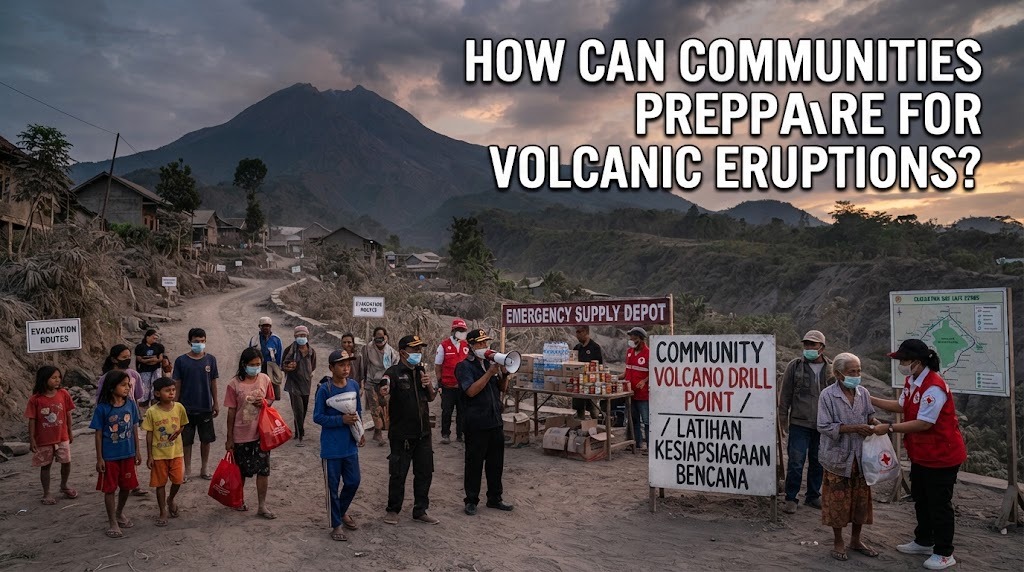
Volcanic eruptions can create serious risks for communities living near active volcanoes. Ash, lava, volcanic gases, falling rocks, and lahars can affect people, homes, roads, and public facilities. Good preparation helps communities respond quickly when volcanic activity becomes dangerous. Planning before an eruption can reduce confusion and help protect lives.
UNDERSTAND LOCAL VOLCANIC HAZARDS
Communities should understand the volcanic hazards that may affect their area. These hazards can include ashfall, lava flows, volcanic gases, falling rocks, and lahars. Different locations can face different levels of risk depending on their distance from the volcano and local geography. Knowing these risks helps residents understand which areas should be avoided.
Local authorities can provide information about danger zones and possible evacuation areas. Residents should learn where safe locations are and understand the hazards associated with nearby rivers and valleys. This knowledge is especially important for families living close to an active volcano. Regular community education can improve awareness before an emergency occurs.
PREPARE AN EVACUATION PLAN
Every community should have a clear evacuation plan for volcanic emergencies. The plan should identify evacuation routes, safe areas, shelters, and important emergency facilities. Residents should know which routes to use and where to gather during an evacuation. Routes should also be checked regularly to make sure they remain accessible.
Families can create their own plans based on the community evacuation system. Children, older adults, people with disabilities, and pets may need additional assistance during evacuation. Practicing evacuation procedures can help residents respond more quickly when an official warning is issued. A simple plan is easier to remember during a stressful situation.
PREPARE EMERGENCY SUPPLIES
Communities should encourage families to prepare an emergency kit before volcanic activity becomes dangerous. Important supplies may include drinking water, food, medicine, flashlights, batteries, important documents, and communication devices. Masks and eye protection can also help reduce exposure to volcanic ash. Supplies should be stored in a place that is easy to reach.
Community shelters should also have essential resources for people who need to evacuate. Local organizations can help identify vulnerable residents who may require additional support. Emergency supplies should be checked regularly to replace expired or damaged items. Proper preparation can make evacuation and temporary shelter easier.
MONITOR OFFICIAL INFORMATION
Communities should pay attention to official volcanic monitoring information. Authorities can provide updates about volcanic activity, danger levels, ashfall, and evacuation orders. Residents should use trusted sources instead of relying on unverified information. Accurate information helps people make safer decisions during an emergency.
Community leaders can help share important warnings with residents who may not have regular access to digital information. Emergency communication systems should be tested before an eruption occurs. People should know where to receive official updates through reliable channels. Clear communication can reduce confusion and prevent unnecessary panic.
PRACTICE EMERGENCY DRILLS
Regular evacuation drills can help communities become more prepared for volcanic emergencies. During a drill, residents can practice using evacuation routes and reaching designated safe areas. Schools, workplaces, and community organizations can participate in these activities. Drills can also reveal problems that need to be corrected before a real emergency.
After each drill, the community can review what worked and what needs improvement. Emergency plans should be updated when roads, shelters, population numbers, or local conditions change. Training should also include basic actions for dealing with volcanic ash and other hazards. Regular practice can make emergency responses more organized.
PROTECT THE ENVIRONMENT AND INFRASTRUCTURE
Communities can reduce some risks by maintaining important infrastructure and natural drainage systems. Rivers, bridges, roads, and evacuation routes should be monitored and maintained, especially in areas vulnerable to lahars. Keeping drainage channels clear can help reduce some problems caused by volcanic materials and heavy rainfall. Local authorities should identify infrastructure that may be especially vulnerable.
Residents can also help by avoiding activities that block evacuation routes or damage warning systems. Community cooperation is important because disaster preparation requires participation from many people. Authorities, schools, businesses, and residents can work together to improve preparedness. Strong cooperation can support faster recovery after an eruption.
CONCLUSION
Communities can prepare for volcanic eruptions by understanding local hazards, creating evacuation plans, preparing emergency supplies, monitoring official information, and practicing drills. Maintaining infrastructure and supporting vulnerable residents are also important parts of preparedness. Good preparation cannot stop an eruption, but it can reduce risks and improve the community's response. Regular planning and cooperation help communities become more prepared for volcanic emergencies.
Tentang Penulis
Gusti Ayu Tita P
Penulis — Universitas STEKOM
Penulis aktif yang berfokus pada isu-isu akademik, teknologi pendidikan, dan pengembangan sumber daya manusia di lingkungan kampus.