How Can You Evaluate Your Trip Budget After a Vacation?
Gusti Ayu Tita P
17 September 2026
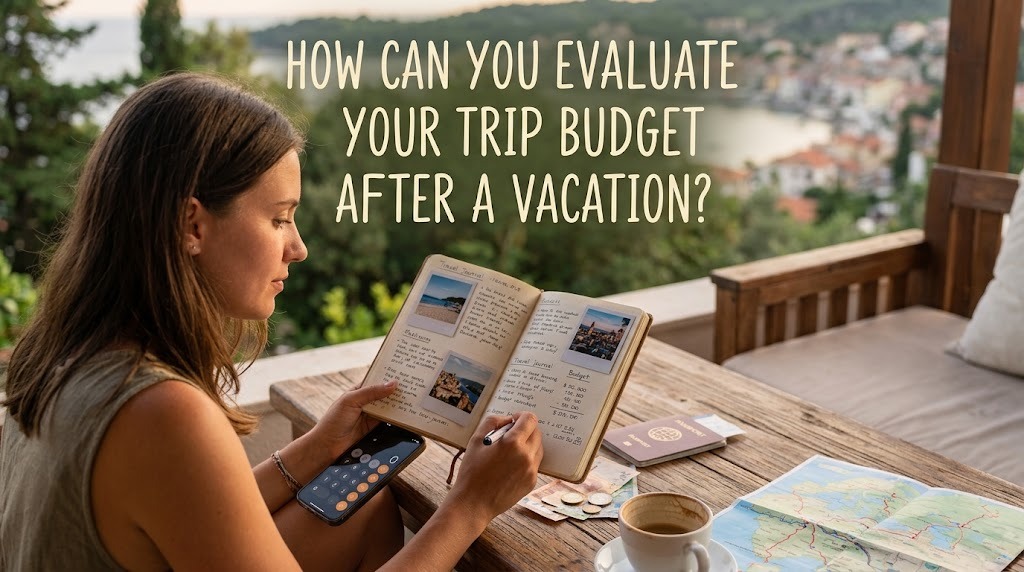
Planning a trip budget is important before traveling, but evaluating it after a vacation is equally useful. A post-trip evaluation helps travelers understand how much money was actually spent and whether the original budget was realistic. By comparing planned expenses with actual spending, travelers can identify areas where they spent more or less than expected. This process can also make future trips more organized and financially manageable. A simple evaluation can turn past travel experiences into useful information for planning the next vacation.
REVIEW YOUR ORIGINAL TRIP BUDGET
The first step in evaluating a trip budget is to review the original budget plan created before the vacation. Check the estimated costs for transportation, accommodation, food, activities, shopping, and other expenses. Compare each estimated amount with the actual amount spent during the trip. This comparison can show which categories stayed within the budget and which ones exceeded expectations. Keeping the original budget makes it easier to measure the accuracy of your financial planning.
It is also useful to review whether the budget included enough money for unexpected expenses. Some costs may appear during a trip, such as additional transportation, entrance fees, service charges, or last-minute purchases. If these expenses were not included in the original plan, they may explain why the final spending was higher. Reviewing these differences helps travelers create more realistic budgets for future vacations.
COMPARE PLANNED AND ACTUAL EXPENSES
After reviewing the original plan, compare planned expenses with actual expenses in each category. For example, you may have planned a certain amount for accommodation but ended up paying more because of taxes, additional services, or a change in hotel. The same comparison can be made for food, transportation, entertainment, and shopping. This method provides a clear picture of where the travel money went. It also helps identify spending patterns that may not have been obvious during the vacation.
Travelers should not only focus on expenses that went over budget. Categories that cost less than expected are also important because they can show where money-saving strategies worked well. For instance, choosing public transportation instead of taxis may reduce transportation costs. Preparing some meals instead of eating at restaurants for every meal can also lower food expenses. Recording both savings and overspending creates a more complete evaluation.
IDENTIFY THE MAIN SOURCES OF OVESPENDING
One of the most useful parts of a post-trip evaluation is identifying the main causes of overspending. Overspending may happen because of poor planning, unexpected price increases, spontaneous purchases, or changes in travel plans. Some expenses may also be difficult to predict, especially during long trips or visits to unfamiliar destinations. Understanding the reason behind each additional expense is more useful than simply looking at the final amount. It allows travelers to make specific improvements for their next trip.
It is important to distinguish between necessary expenses and optional expenses. Emergency transportation or medical assistance may be necessary, while extra shopping or unplanned entertainment may be optional. This distinction helps travelers understand which costs should be included in future budgets and which ones can be controlled. Instead of eliminating all enjoyable activities, travelers can set reasonable limits for discretionary spending.
CHECK THE VALUE OF YOUR TRAVEL SPENDING
Evaluating a trip budget should not only focus on whether the traveler spent too much or too little. It should also consider the value received from the money spent. A more expensive activity may still be worthwhile if it provided a memorable experience or met an important travel goal. Similarly, a cheap option may not be useful if it created additional problems or inconvenience. Evaluating value helps travelers make better financial decisions without focusing only on the lowest possible cost.
Travelers can ask several simple questions after the vacation. Did the accommodation provide good value for its price? Was the transportation option convenient and reliable? Were the activities worth the money paid? These questions help connect financial decisions with travel experiences. The answers can become useful guidelines when selecting services and activities for future vacations.
USE THE RESULTS TO PLAN YOUR NEXT TRIP
The final step is to use the evaluation to create a better future trip budget. Adjust spending limits based on actual costs rather than relying entirely on previous estimates. If accommodation consistently costs more than expected, increase that category in the next budget. If food spending was lower than planned, the difference can potentially be allocated to another priority. This approach makes future budgets more realistic and personalized.
Travelers should also consider keeping a travel expense record for future reference. Saving receipts, digital payment records, booking confirmations, and expense notes can make the next evaluation much easier. Over time, these records can provide useful information about typical travel costs for different destinations. They can also help travelers build an emergency fund and make more confident financial decisions before booking another vacation.
CONCLUSION
Evaluating a trip budget after a vacation helps travelers understand how effectively they managed their money. By comparing planned and actual expenses, identifying overspending, and reviewing the value of each expense, travelers can gain useful financial insights. The evaluation should include both necessary and optional spending so that the results are realistic and practical. Keeping records of travel expenses can also make future budgeting faster and more accurate. Ultimately, a post-trip budget evaluation turns past spending into valuable information for planning a more organized and financially responsible vacation.
Tentang Penulis
Gusti Ayu Tita P
Penulis — Universitas STEKOM
Penulis aktif yang berfokus pada isu-isu akademik, teknologi pendidikan, dan pengembangan sumber daya manusia di lingkungan kampus.