
How Can You Save Fuel When Refueling at a Gas Station?
Gusti Ayu Tita P
17 September 2026
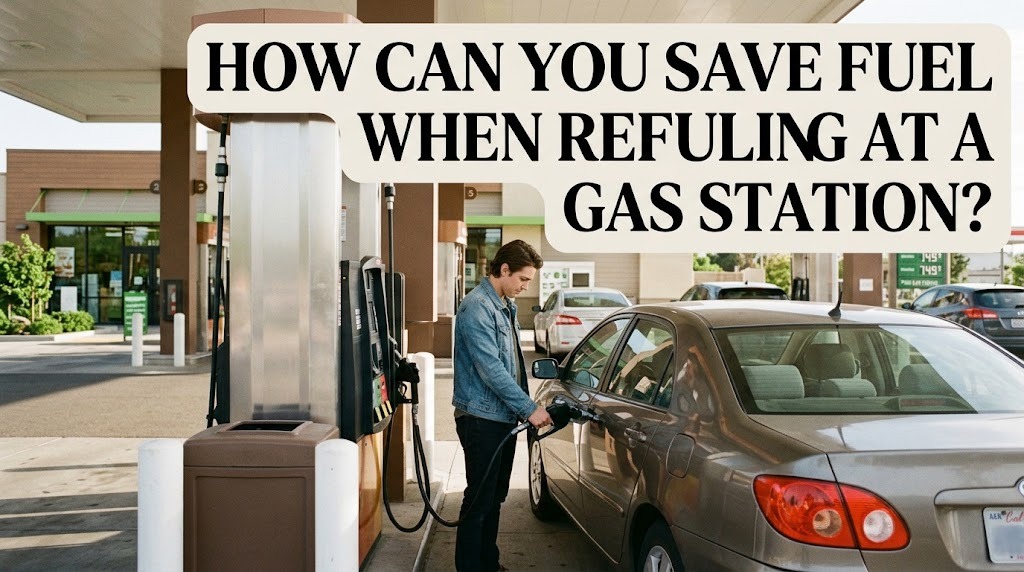
Fuel costs are an important part of daily transportation expenses, especially for people who regularly use cars or motorcycles. Although refueling is necessary, drivers can make several simple choices to use fuel more efficiently. Saving fuel is not only about buying the right amount of gasoline but also about maintaining the vehicle and changing driving habits. Small improvements in the way a vehicle is driven and maintained can help reduce unnecessary fuel consumption. Understanding these practical steps can make everyday travel more economical and efficient.
UNDERSTANDING FUEL EFFICIENCY
Fuel efficiency refers to how far a vehicle can travel using a certain amount of fuel. A vehicle with better efficiency can cover more distance without requiring frequent refueling. Fuel efficiency is influenced by several factors, including vehicle condition, driving habits, traffic conditions, road conditions, and fuel type. Carrying unnecessary weight can also increase the amount of energy required to move a vehicle.
Drivers should understand that refueling alone does not determine fuel efficiency. A vehicle that is frequently driven with sudden acceleration, excessive braking, or high speeds may consume more fuel. Regular maintenance and smoother driving can therefore be just as important as choosing when and where to refuel. By combining good maintenance with responsible driving, motorists can reduce unnecessary fuel consumption over time.
CHOOSE THE RIGHT FUEL FOR YOUR VEHICLE
Choosing the right fuel is an important step toward efficient vehicle operation. Drivers should follow the fuel recommendations provided by the vehicle manufacturer. These recommendations may include the appropriate fuel type and minimum octane rating for the engine. Using fuel that matches the vehicle's requirements helps the engine operate as intended and can prevent performance problems.
A higher octane fuel is not automatically more economical for every vehicle. The appropriate choice depends on the engine design and the manufacturer's specifications. Drivers should check the owner's manual or official vehicle information before selecting fuel. Using the recommended fuel consistently can support proper engine performance and help avoid unnecessary fuel expenses.
REFUEL AT THE RIGHT TIME AND AMOUNT
Refueling habits can also influence how drivers manage their fuel expenses. It is useful to monitor the fuel level rather than waiting until the tank is nearly empty. Planning refueling stops can prevent unnecessary detours, especially during long trips. Drivers can also compare available fuel prices when several trusted gas stations are located along their normal route.
Buying more fuel does not automatically mean greater savings. Drivers should consider their travel needs, storage requirements, and the vehicle manufacturer's recommendations. Fuel should be stored safely and only in approved containers when necessary. For regular driving, filling the vehicle according to its practical needs can make fuel spending easier to manage.
MAINTAIN YOUR VEHICLE REGULARLY
Vehicle maintenance has an important relationship with fuel consumption. Drivers should regularly check tire pressure because improperly inflated tires can increase rolling resistance. Engine oil, air filters, spark plugs, and other components should also be maintained according to the manufacturer's recommended schedule. A poorly maintained vehicle may require more energy to operate efficiently.
Regular maintenance can also help identify problems before they become more serious. Drivers should pay attention to unusual engine sounds, warning lights, reduced performance, or changes in fuel consumption. Keeping the vehicle in good condition supports safer and more efficient driving. Maintenance records can also help drivers remember when important checks or replacements are due.
USE EFFICIENT DRIVING HABITS
Driving style is one of the most practical factors affecting fuel savings. Sudden acceleration and unnecessary hard braking can increase fuel consumption, particularly in heavy traffic. Maintaining a steady speed when road conditions allow can help the engine operate more efficiently. Drivers should also avoid leaving the engine running unnecessarily when the vehicle is parked.
Planning routes can further improve efficiency. Drivers can use navigation applications to identify practical routes and avoid unnecessary detours when possible. Combining several errands into one trip may also reduce repeated journeys. By driving smoothly and planning ahead, motorists can reduce wasted fuel while making their trips more comfortable.
CONCLUSION
Saving fuel at a gas station is connected to much more than the refueling process itself. Choosing the recommended fuel, maintaining the vehicle, monitoring tire pressure, planning trips, and practicing efficient driving habits can all contribute to better fuel economy. Drivers should also compare fuel prices responsibly and refuel at trusted stations that meet appropriate safety standards. These simple habits can help control transportation expenses without requiring major changes to daily routines.
Fuel efficiency is ultimately a combination of good vehicle maintenance and responsible driving behavior. By applying these practices consistently, drivers can make better use of every liter of fuel. The result can be more predictable fuel spending, fewer unnecessary refueling stops, and more efficient everyday transportation.
Tentang Penulis
Gusti Ayu Tita P
Penulis — Universitas STEKOM
Penulis aktif yang berfokus pada isu-isu akademik, teknologi pendidikan, dan pengembangan sumber daya manusia di lingkungan kampus.