How Can You Stay Safe During Land Tourism?
Gusti Ayu Tita P
17 September 2026
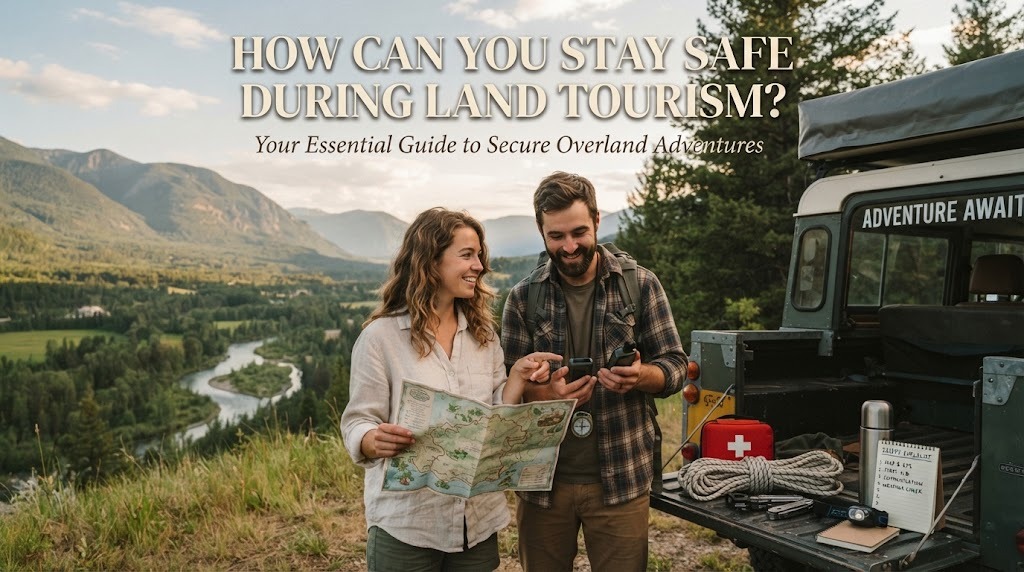
Land tourism can be an enjoyable way to explore new places by using cars, buses, trains, motorcycles, or other land transportation. However, travelers need to pay attention to safety before and during the journey. Good preparation can help reduce common travel problems and make the trip more comfortable. Safety considerations may differ depending on the destination, transportation method, weather, and planned activities. By following simple precautions, travelers can enjoy their trip while managing potential risks.
PLAN THE ROUTE BEFORE TRAVELING
Planning the route is an important step for safe land tourism. Travelers should check the travel distance, road conditions, traffic, transportation routes, and important stops before departure. Navigation applications can help identify suitable routes, but travelers should also consider having offline maps when internet access may be limited. Knowing where fuel stations, rest areas, and transportation terminals are located can be useful during long journeys. Good route planning can reduce confusion and unnecessary delays.
Travelers should also prepare an alternative route when possible. Road construction, traffic congestion, bad weather, or unexpected closures can affect the original plan. Checking updated travel information before leaving can help travelers make better decisions. If traveling with other people, everyone should understand the basic itinerary and meeting points. Proper route preparation supports a more organized and safer journey.
CHECK THE CONDITION OF THE VEHICLE
Travelers using private vehicles should check the vehicle before starting a land tourism trip. Important parts include tires, brakes, lights, engine condition, fuel, and other essential components. A vehicle that is properly maintained is better prepared for a long journey. Travelers should also make sure that emergency equipment, such as a spare tire where applicable, is available. Regular maintenance is important, especially before traveling long distances.
Drivers should avoid starting a long trip when they are extremely tired or not in a suitable condition to drive. For group travel, drivers can take turns when appropriate so everyone gets enough rest. Travelers should also follow traffic laws and use safety equipment such as seat belts and helmets when required. Vehicle safety is not only about preventing breakdowns but also about protecting everyone during the journey.
FOLLOW TRAFFIC RULES
Following traffic regulations is essential when traveling by land. Drivers should respect speed limits, traffic signals, lane rules, and road signs. Motorcyclists should wear appropriate helmets, while passengers should use seat belts when available and required. Travelers should avoid dangerous behaviors such as using a phone while driving. Responsible road behavior helps reduce the risk of accidents.
Travelers should also pay attention to local road conditions. Some roads may have sharp turns, steep slopes, narrow sections, or heavy traffic. Drivers should adjust their speed and driving style to match these conditions. When using public transportation, passengers should follow the instructions provided by the operator. Respecting transportation rules contributes to a safer travel environment for everyone.
PROTECT PERSONAL BELONGINGS
Keeping personal belongings secure is another important part of safe land tourism. Travelers should keep money, identification documents, phones, tickets, and other valuables in secure locations. Valuable items should not be left unattended in vehicles or public areas. Using a small bag that can remain close to the body can make important belongings easier to monitor. Travelers should also avoid displaying large amounts of cash in crowded places.
It is useful to make a list of important belongings before leaving and check them regularly during the trip. Digital backups of important documents can also be stored securely when appropriate. However, sensitive information should be protected with strong passwords or other suitable security measures. Being careful with personal belongings can reduce the risk of loss or theft. Simple habits can provide greater security throughout the journey.
CHECK WEATHER AND ROAD CONDITIONS
Weather can affect both transportation and outdoor activities during land tourism. Travelers should check weather forecasts and road conditions before leaving and continue monitoring them when the journey is long. Heavy rain, strong winds, flooding, or other severe conditions can make some routes more difficult or unsafe. If conditions become dangerous, travelers should consider delaying or changing their plans. Safety should take priority over following a fixed itinerary.
Travelers should also prepare suitable clothing and equipment based on the expected conditions. Rain protection can be useful during wet weather, while appropriate clothing is important in cold or hot environments. Outdoor activities should be adjusted when conditions are unsuitable. Checking reliable local information can help travelers make safer decisions. Weather awareness is an important part of responsible travel planning.
TAKE CARE OF YOUR HEALTH
Maintaining good physical condition can make travel safer and more comfortable. Travelers should get enough rest, water, and appropriate food during the journey. Long periods of sitting can also make people tired, so taking suitable breaks can be helpful during road trips. Travelers should bring personal medications or basic health supplies when needed. People should also pay attention to signs of excessive fatigue or discomfort.
Travelers should avoid pushing themselves to continue activities when they are exhausted. If someone becomes seriously ill or injured, seeking appropriate medical assistance is important. A basic first aid kit can be useful for minor problems during a trip. Health needs may vary between individuals, so travelers should prepare according to their circumstances. Taking care of health helps maintain energy and awareness during travel.
STAY ALERT IN CROWDED AREAS
Tourist attractions, stations, terminals, and markets can become crowded, especially during busy travel periods. Travelers should stay aware of their surroundings and keep bags, phones, wallets, and important documents secure. It is better to avoid leaving valuables on tables, seats, or other places where they can be easily taken. Groups should also agree on a meeting point in case someone becomes separated. Staying alert can help prevent avoidable problems.
Travelers should also be careful when approached by unfamiliar people offering unexpected services or deals. This does not mean assuming everyone is unsafe, but travelers should verify information before giving money or personal details. Using official transportation services and trusted information sources can provide additional protection. If something feels unclear, travelers can seek assistance from appropriate staff or authorities. Awareness is an important part of personal travel safety.
PREPARE EMERGENCY CONTACTS
Travelers should prepare important emergency information before starting their trip. This can include local emergency services, transportation providers, accommodation contacts, and trusted contacts. Keeping these details accessible can save time if an unexpected situation occurs. Travelers should also know the location of nearby hospitals or other essential services when appropriate. Emergency information is particularly important for longer trips or remote destinations.
Travelers can share their basic itinerary with someone they trust, especially when traveling alone or visiting unfamiliar areas. However, they should avoid unnecessarily sharing sensitive personal information. It is also useful to keep important documents and emergency funds stored securely. Having a simple emergency plan can make it easier to respond calmly when problems occur. Preparation provides a useful backup plan for unexpected situations.
CONCLUSION
Staying safe during land tourism requires preparation, awareness, and responsible decisions. Travelers should plan their routes, check vehicles, follow traffic rules, protect belongings, monitor weather, and take care of their health. Staying alert in crowded areas and preparing emergency contacts can provide additional protection. Safety plans should also be adjusted according to the destination and type of activities. With careful preparation, travelers can enjoy land tourism with greater comfort and confidence.
Tentang Penulis
Gusti Ayu Tita P
Penulis — Universitas STEKOM
Penulis aktif yang berfokus pada isu-isu akademik, teknologi pendidikan, dan pengembangan sumber daya manusia di lingkungan kampus.