How Does a Kaprogdi Work in a Study Program?
Gusti Ayu Tita P
19 September 2026
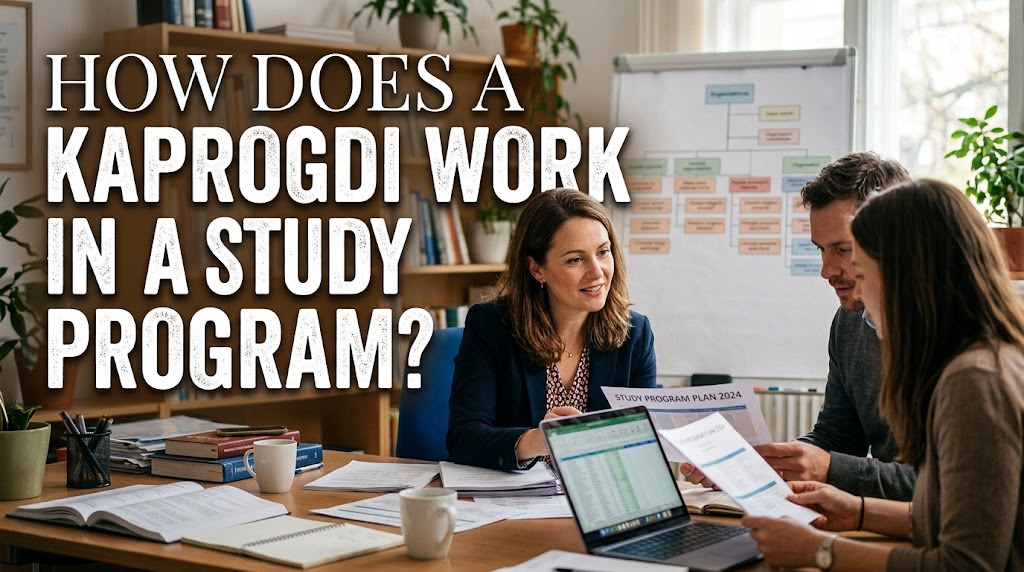
A Kaprogdi or Head of a Study Program plays an important role in ensuring that various activities within a study program are properly coordinated. The work involves planning academic activities, coordinating lecturers, monitoring implementation, evaluating results, and supporting program development. Because these responsibilities are connected, a Kaprogdi needs to communicate with different parties within the university.
The way a Kaprogdi works in a study program can vary depending on the organizational structure and policies of each higher education institution. Some responsibilities may be shared with faculty administrators, lecturers, or other academic units. Nevertheless, the general process involves continuous coordination to ensure that the academic needs of the study program are properly managed.
PLANNING STUDY PROGRAM ACTIVITIES
The work of a Kaprogdi generally begins with planning activities that are relevant to the study program. Planning can include reviewing academic programs, course implementation, lecturer assignments, student activities, and other activities scheduled within a semester or academic year. The Kaprogdi needs to consider the objectives and needs of the program when coordinating these plans.
Planning also requires communication with lecturers and university units. Different academic activities may depend on schedules, available resources, administrative procedures, and other institutional requirements. By coordinating these matters in advance, the Kaprogdi can help reduce confusion and ensure that the planned activities are implemented according to the applicable procedures.
COORDINATING LECTURERS AND ACADEMIC ACTIVITIES
A major part of Kaprogdi's work involves coordinating lecturers who participate in the study program. Communication may cover teaching activities, course schedules, curriculum implementation, academic programs, and other matters related to learning. This coordination helps ensure that lecturers receive relevant information and understand the academic plans of the program.
The Kaprogdi may also communicate with faculty administrators and other university units when academic activities require broader coordination. For example, certain activities may involve administrative support or resources from outside the study program. The Kaprogdi can communicate these needs through the appropriate channels and coordinate follow-up according to the university's organizational procedures.
MONITORING AND EVALUATING ACADEMIC ACTIVITIES
After activities have been planned and implemented, a Kaprogdi can monitor their progress. Monitoring helps identify whether learning and other academic activities are being carried out according to the established plans. Information may come from lecturers, students, administrative staff, or other parties involved in the study program.
The results of monitoring can be used for academic evaluation. If problems are identified, the Kaprogdi can discuss them with the relevant parties and coordinate possible improvements within the available authority. Evaluation can also show which activities are working effectively and may need to be maintained. This process allows the study program to make improvements based on actual academic conditions.
SUPPORTING PROGRAM DEVELOPMENT AND FOLLOW-UP
The work of a Kaprogdi does not stop after academic activities have been evaluated. Information from evaluations, student feedback, lecturer input, and developments in the relevant field can be used to support study program development. The Kaprogdi may coordinate discussions about improvements to academic activities or other areas that are within the program's authority.
When a problem requires action from the faculty or university, the Kaprogdi can communicate the issue through the established organizational structure. Follow-up can then be carried out by the appropriate parties. This process helps connect the needs of the study program with broader university management and supports continuous improvement.
CONCLUSION
A Kaprogdi works in a study program through a continuous process of planning, coordination, monitoring, evaluation, and development. The position requires regular communication with lecturers, students, faculty administrators, and other university units to ensure that academic activities are properly organized.
The exact workflow and authority of a Kaprogdi may differ between higher education institutions. However, the main purpose is generally to help coordinate the academic needs and activities of the study program while supporting its ongoing development and improvement.
Tentang Penulis
Gusti Ayu Tita P
Penulis — Universitas STEKOM
Penulis aktif yang berfokus pada isu-isu akademik, teknologi pendidikan, dan pengembangan sumber daya manusia di lingkungan kampus.