Practicing Yoga At Home As A Practical Physical Activity
Gusti Ayu Tita P
1 September 2026
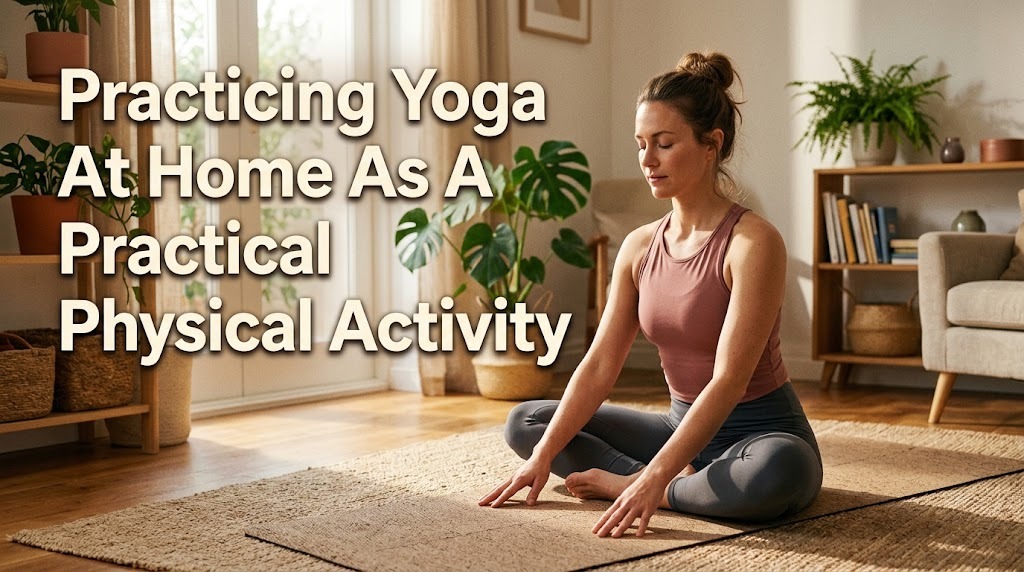
Yoga is a physical activity that combines body movement, breathing, balance, and mindful attention. For many people, practicing yoga at home is a practical way to stay active without having to travel to a studio or fitness center. It can be adjusted to different schedules, experience levels, and personal goals. With a suitable routine, home yoga can become a simple part of a healthy lifestyle.
One of the main advantages of practicing at home is flexibility in choosing when and how to exercise. Beginners can start with basic movements and gradually increase the difficulty as they become more comfortable. However, convenience should not mean ignoring proper technique or safety. A comfortable, consistent, and appropriate routine is important for making home yoga beneficial and sustainable.
WHY PRACTICE YOGA AT HOME
Practicing yoga at home can save time because there is no need to commute to a class. People can choose a convenient time, whether in the morning, during a break, or in the evening. Home practice also allows individuals to select routines that match their current ability. This flexibility can make regular physical activity easier to maintain.
Another advantage is that home yoga can be adapted to personal preferences. Some people may prefer a quiet session, while others may enjoy following an online class or guided routine. The environment can also be arranged to support concentration and comfort. However, distractions at home should be minimized when possible.
PREPARING A SAFE YOGA SPACE
A suitable practice area does not need to be large. A clean and uncluttered space with enough room to move safely can be sufficient. A stable yoga mat can provide grip and cushioning during many movements. Furniture and objects that could cause falls should be moved away from the practice area.
Good ventilation and comfortable temperature can also improve the experience. Make sure there is enough lighting to see your position clearly. Keep water nearby if needed, especially during longer or more active sessions. Safety and comfort should come before appearance or expensive equipment.
START WITH BASIC MOVEMENTS
Beginners should start with simple yoga movements rather than immediately attempting advanced poses. Basic positions can help develop body awareness, balance, mobility, and control. Learning how to enter and leave each pose safely is more important than holding difficult positions. Gradual progression can help the body adapt to a new activity.
Simple movements can also make it easier to understand personal physical limits. Avoid forcing the body to match the shape shown by an experienced practitioner. Everyone has different levels of flexibility, strength, and mobility. A comfortable range of movement is generally more appropriate for beginners.
USE BREATHING TO SUPPORT YOUR PRACTICE
Breathing is an important part of many yoga routines. Paying attention to breathing can help practitioners stay focused during movement. Slow and comfortable breathing may also encourage relaxation. Breath awareness can make a home yoga session feel more controlled and mindful.
Beginners do not need complicated breathing techniques. Start by observing natural breathing and coordinating it with simple movements. Avoid holding your breath for long periods or forcing a breathing pattern. If you feel dizzy or uncomfortable, stop the technique and return to normal breathing.
CHOOSE THE RIGHT YOGA ROUTINE
The best routine depends on your goals and current ability. Someone who wants gentle movement may choose a beginner or restorative routine, while a person looking for a more active workout may prefer a dynamic practice. Choosing an appropriate intensity can make yoga safer and more enjoyable. Beginners should avoid advanced routines until they understand the basic techniques.
It is also useful to vary routines according to your needs. A gentle session may be suitable on a busy or tiring day, while a more active routine can be used when you have more energy. Listening to your body can help determine the appropriate intensity. There is no requirement to practice the same routine every day.
CREATE A CONSISTENT HOME YOGA HABIT
Consistency is one of the most important parts of maintaining physical activity. A short routine performed regularly may be easier to maintain than an occasional long session. Choose a schedule that fits naturally into your daily activities. A realistic routine increases the chance of long-term consistency.
You can begin with a few sessions each week and adjust the frequency based on your experience. Marking practice times on a calendar can help create a habit. If you miss a session, simply return to your routine instead of feeling discouraged. Progress should be measured by consistency rather than perfection.
LISTEN TO YOUR BODY
Body awareness is particularly important when practicing without direct supervision. Pay attention to how your muscles, joints, breathing, and energy levels feel during each movement. Mild stretching sensations can occur, but sharp pain or unusual discomfort should not be ignored. Pain is not a requirement for effective yoga.
If a pose feels too difficult, reduce its range or use an appropriate modification. Beginners can use blocks, straps, cushions, or other suitable supports when necessary. Resting between movements is also completely acceptable. A safe practice should respect individual limitations.
USE ONLINE RESOURCES WISELY
Online yoga videos and guided classes can make home practice more accessible. They provide demonstrations that can help beginners understand basic movements and routines. However, not every online instructor or video provides accurate guidance. Choose reliable and beginner-friendly resources whenever possible.
Pay attention to instructions about alignment, breathing, modifications, and safety. Avoid following advanced routines simply because they look impressive. If you have an injury, medical condition, or significant physical limitation, consider getting professional advice before starting or changing an exercise routine. Online guidance should complement, not replace, appropriate professional support.
COMBINE YOGA WITH OTHER HEALTHY HABITS
Yoga can be an effective part of a broader healthy lifestyle, but it does not need to be your only physical activity. Walking, strength training, cycling, swimming, or other suitable activities can provide different forms of movement. A varied activity routine can help support overall physical fitness.
Nutrition, hydration, adequate sleep, and sufficient recovery are also important. Avoid expecting yoga alone to solve every aspect of physical or mental well-being. Instead, use it as one practical activity that fits your lifestyle. A balanced approach can make healthy habits easier to maintain over time.
CONCLUSION
Practicing yoga at home as a practical physical activity can provide a convenient way to stay active without requiring a studio or complicated equipment. Home yoga allows people to choose their own schedule, practice environment, intensity, and routine. Beginners can start with simple movements and gradually develop greater confidence and body awareness.
For a safe and sustainable practice, focus on proper technique, comfortable breathing, gradual progression, and consistency. Keep your practice area safe and listen to your body's signals during every session. Combining yoga with other healthy habits can provide a more complete approach to physical well-being. With patience and regular practice, home yoga can become an enjoyable part of everyday life.
Tentang Penulis
Gusti Ayu Tita P
Penulis — Universitas STEKOM
Penulis aktif yang berfokus pada isu-isu akademik, teknologi pendidikan, dan pengembangan sumber daya manusia di lingkungan kampus.