The Impact of Elections on Political Stability and the Economy
Gusti Ayu Tita P
10 Oktober 2026
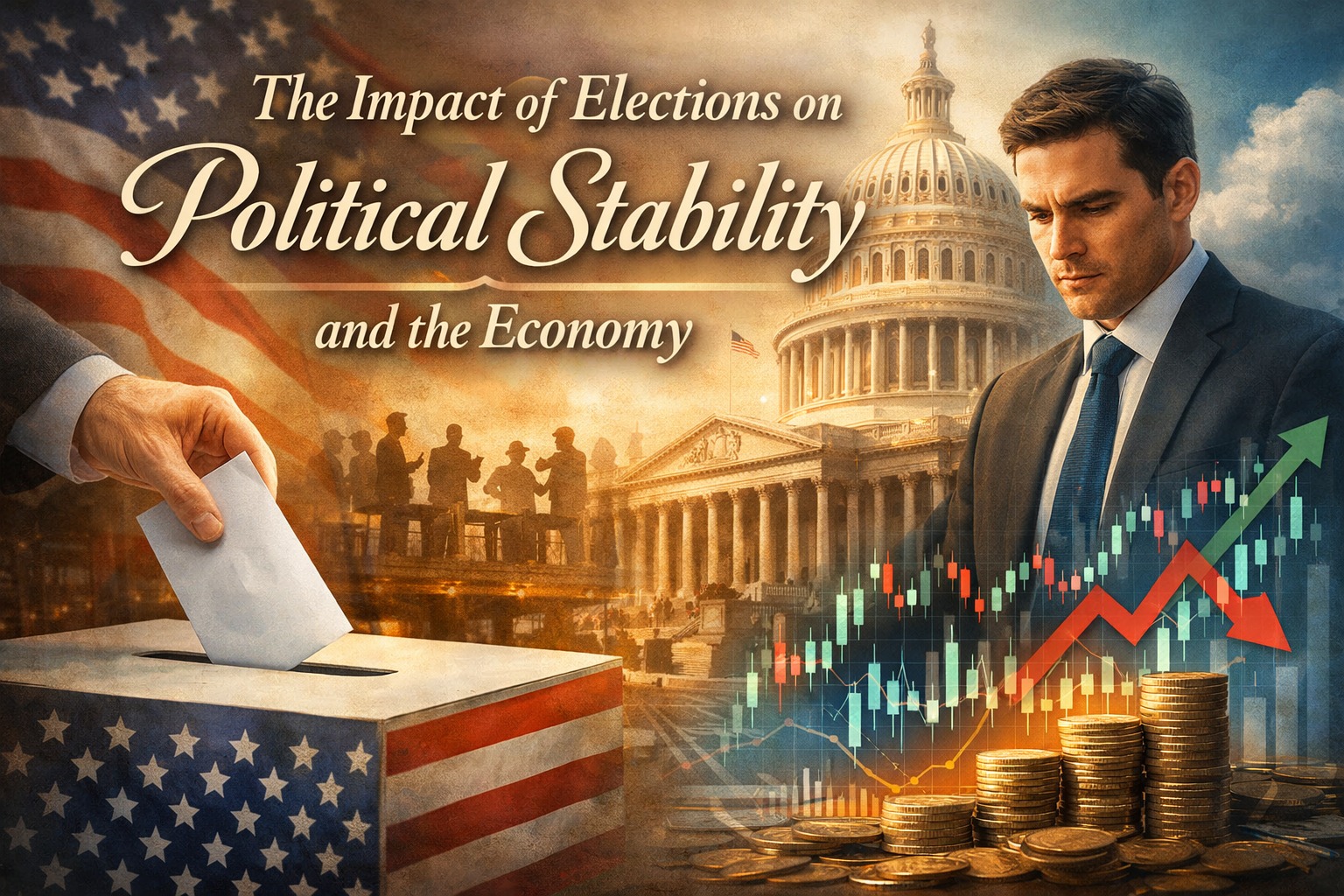
Elections are a fundamental part of every democratic society, giving citizens the opportunity to choose leaders who will guide national policies and development. Beyond selecting government officials, elections have a significant influence on political stability and economic growth. Transparent and credible elections strengthen public confidence, encourage investment, and support long-term national progress. On the other hand, poorly managed elections may create uncertainty, reduce investor confidence, and trigger political tension. Understanding the impact of elections helps citizens appreciate why fair and peaceful democratic processes are essential for a nation's future.
HOW ELECTIONS STRENGTHEN POLITICAL STABILITY?
A free and fair election gives citizens confidence that their voices are heard through a legitimate democratic process. When election results are accepted by the public, governments gain stronger legitimacy to implement policies and reforms. Political stability increases because leadership transitions occur peacefully instead of through conflict or force. Stable political conditions also improve cooperation between public institutions and society. This creates a healthier environment for democratic governance.
Political stability encourages citizens to participate actively in civic activities and public decision-making. Respect for election outcomes helps reduce social tension and strengthens national unity despite political differences. Transparent electoral systems also improve trust in democratic institutions. As a result, stable politics become the foundation for sustainable national development.
THE RELATIONSHIP BETWEEN ELECTIONS AND ECONOMIC GROWTH
The quality of elections directly influences the confidence of businesses, investors, and financial markets. Transparent elections reduce uncertainty, making investors more willing to support long-term economic projects. Stable leadership allows governments to implement consistent economic policies that encourage business expansion and job creation. Predictable governance is highly valued by both domestic and international investors. This contributes to stronger economic performance over time.
Economic growth also depends on public trust in government decisions after elections. When elected leaders are viewed as legitimate, businesses are more likely to continue investing and expanding operations. Consumers also tend to have greater confidence in economic conditions. These positive expectations support increased spending, production, and employment opportunities.
POSITIVE EFFECTS OF FAIR ELECTIONS
Fair elections promote transparency, accountability, and responsible leadership. Leaders elected through credible democratic processes are generally expected to fulfill campaign promises and serve the public interest. This encourages better governance and stronger public oversight. Transparent leadership helps reduce corruption and improve government performance. Citizens become more engaged when they trust the electoral system.
Another important benefit is increased international confidence. Countries with stable democratic institutions often attract greater foreign investment and stronger economic partnerships. Global businesses prefer operating in environments where political risks are lower. Consequently, fair elections contribute not only to domestic stability but also to international economic cooperation.
CHALLENGES THAT MAY AFFECT POLITICAL AND ECONOMIC STABILITY
Although elections provide many benefits, they can also create challenges if not managed properly. Political polarization, misinformation, and election-related disputes may increase social tension during campaign periods. If these issues remain unresolved, they can reduce public confidence in democratic institutions. Strong legal frameworks and transparent election management are necessary to address these challenges. Peaceful dialogue plays an important role in maintaining national unity.
Economic uncertainty may also occur before or immediately after elections. Businesses sometimes postpone investment decisions while waiting for policy direction from newly elected leaders. Financial markets may experience temporary fluctuations due to changing political expectations. However, these effects usually decrease when election outcomes are widely accepted and government policies become clearer.
THE ROLE OF CITIZENS IN SUPPORTING STABILITY
Citizens have an essential role in protecting both democracy and economic stability during elections. Responsible voters make informed decisions based on verified information instead of misinformation or emotional campaigns. They also respect different political opinions and support peaceful democratic participation. Civic responsibility strengthens the legitimacy of election results. Public trust grows when citizens actively protect democratic values.
Communities can also contribute by rejecting violence, corruption, and vote buying. Participating peacefully and following election laws help maintain order throughout the electoral process. Informed citizens encourage transparency and accountability at every stage of elections. These actions create a stronger foundation for political stability and sustainable economic development.
BUILDING A STRONGER FUTURE THROUGH DEMOCRACY
Long-term prosperity depends on maintaining credible elections and strong democratic institutions. Governments, election authorities, civil society, educational institutions, and the media all share responsibility for protecting election integrity. Continuous civic education helps citizens understand their rights and responsibilities. Well-informed voters contribute to more effective public leadership. Strong democracy creates better opportunities for economic progress.
Future elections should continue to emphasize transparency, fairness, and equal participation for all eligible citizens. Technological improvements, public education, and stronger legal enforcement can further improve election quality. As democratic systems become more trusted, political stability and economic confidence will continue to grow. Together, these factors support a more prosperous and resilient nation.
CONCLUSION
The impact of elections on political stability and the economy extends far beyond choosing national leaders. Free and fair elections strengthen democratic legitimacy, encourage peaceful leadership transitions, and create conditions that support economic growth. Political stability increases public confidence, while predictable governance attracts investment and promotes business development. At the same time, responsible citizens and transparent election management help overcome challenges such as misinformation and political polarization. By protecting democratic values, every election contributes to a stronger, more stable, and economically successful future.
Tentang Penulis
Gusti Ayu Tita P
Penulis — Universitas STEKOM
Penulis aktif yang berfokus pada isu-isu akademik, teknologi pendidikan, dan pengembangan sumber daya manusia di lingkungan kampus.