
Tips For Practicing Yoga Regularly To Gain Optimal Benefits
Gusti Ayu Tita P
1 September 2026
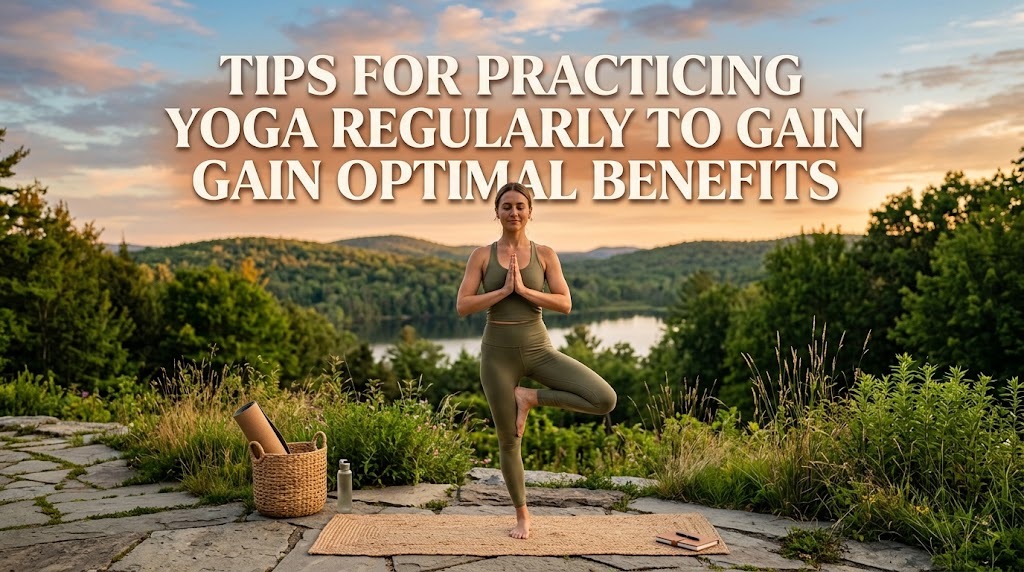
Yoga is a physical activity that combines movement, breathing, balance, flexibility, and relaxation. Practicing it regularly can help support physical fitness and create opportunities to relax during a busy day. However, getting the best results does not require long or difficult sessions. Consistency and appropriate practice are more important for building a sustainable yoga habit.
Many beginners start with enthusiasm but find it difficult to continue after a few weeks. A realistic routine can make yoga easier to maintain over time. The key is to choose a schedule, intensity, and practice style that fit your daily life. With patience and regular practice, yoga can become a natural part of a healthy lifestyle.
SET A REALISTIC YOGA SCHEDULE
Creating a realistic schedule is one of the easiest ways to develop a consistent yoga habit. Choose specific days and times when you are usually available. A short session that fits your schedule is often easier to maintain than a long session that feels difficult to complete. Consistency matters more than duration when you are building a new routine.
Your schedule does not need to be identical every week. School, work, family responsibilities, and other activities can change your available time. If you miss a session, simply continue with your next planned practice instead of giving up. A flexible routine can help prevent unnecessary pressure.
START WITH SHORT PRACTICE SESSIONS
Beginners do not need to practice yoga for an hour immediately. Starting with a short session can help the body and mind become familiar with the movements. You can gradually increase the duration as your comfort and experience improve. Small steps can make consistency easier.
Short sessions are also useful on busy days. Even a brief period of gentle movement and breathing can provide an opportunity to stay active. The important thing is to practice within your current ability. Avoid increasing the intensity too quickly just because you want faster results.
CHOOSE A YOGA STYLE THAT MATCHES YOUR GOALS
Different yoga styles can provide different experiences and levels of physical intensity. Hatha yoga may be suitable for people who want to learn basic poses at a slower pace. Gentle and restorative yoga can be appropriate for relaxation, while more dynamic styles may provide a more active workout. Understanding these differences can help you choose a practice that you enjoy.
Your goals can also change over time. You may initially practice yoga for flexibility and later become interested in balance, strength, or relaxation. There is no requirement to stay with one style forever. Choosing a practice you enjoy can make it easier to remain consistent.
CREATE A COMFORTABLE PRACTICE SPACE
A comfortable environment can make regular yoga practice more inviting. Choose a clean, stable, and uncluttered area where you can move safely. A yoga mat can provide grip and cushioning, although beginners do not necessarily need expensive equipment. Keep objects that could cause trips or falls away from the practice area.
The atmosphere can also affect your experience. Some people prefer quiet surroundings, while others enjoy soft music or natural light. Choose whatever helps you feel comfortable and focused. A pleasant practice environment can make it easier to look forward to each session.
FOCUS ON PROPER TECHNIQUE
Practicing regularly is more beneficial when movements are performed with appropriate technique. Learn the basic position of each pose before increasing its difficulty. Keep movements controlled and avoid forcing your joints or muscles beyond a comfortable range. Proper technique is more important than performing advanced poses.
If you are unsure about a movement, consider learning from a qualified yoga instructor or a reliable instructional resource. Beginners can also use modifications to make poses more accessible. There is no need to copy the exact shape of an experienced practitioner's pose. Your technique should match your current ability.
LISTEN TO YOUR BODY
Body awareness is essential for maintaining a safe yoga routine. Your flexibility, energy, and comfort can change from one day to another. A movement that feels easy today may feel more challenging when you are tired. Adjusting your practice according to your condition is a healthy approach.
A gentle stretching sensation can be different from sharp pain or unusual discomfort. If a movement causes significant pain, numbness, or other concerning symptoms, stop and reassess the exercise. Do not treat pain as proof that a yoga pose is working. Respecting physical limits can help make regular practice more sustainable.
COMBINE YOGA WITH BREATHING
Breathing is an important part of many yoga practices. Paying attention to your breath can help you remain focused while moving between poses. Try to maintain comfortable and steady breathing rather than holding your breath. Breath awareness can make the practice feel more controlled and relaxing.
Beginners do not need to learn advanced breathing exercises immediately. Start by observing your natural breathing pattern and coordinating it with simple movements. If a breathing technique causes dizziness or discomfort, stop and return to normal breathing. Comfort should always be prioritized.
PRACTICE AT A SUITABLE INTENSITY
The intensity of your yoga routine should match your experience and physical condition. A beginner may benefit from gentle or moderate movements before progressing to more challenging sequences. Increasing difficulty gradually gives the body time to adapt. Trying advanced poses too early can make the practice unnecessarily difficult.
Rest is also part of a good routine. If your body feels unusually tired or sore, consider reducing the intensity or taking a rest day. Yoga should support your overall well-being rather than become another source of physical stress. Balance between activity and recovery is important.
TRACK YOUR PROGRESS
Tracking your practice can help you recognize gradual improvements. You can record how often you practice, which poses you perform, or how comfortable certain movements feel. Progress does not always mean becoming more flexible. Better balance, control, body awareness, and consistency are also meaningful signs of development.
Avoid turning progress tracking into a source of pressure. Everyone develops at a different pace, and some changes may take time to notice. Focus on how your practice supports your personal goals. Personal progress is more important than comparison.
MAKE YOGA AN ENJOYABLE HABIT
Enjoyment can play an important role in maintaining a long-term routine. Choose movements and practice times that make you feel comfortable rather than treating yoga as an obligation. You can vary your routines to prevent boredom. Enjoyable habits are easier to maintain over time.
You can also practice with friends, follow an appropriate class, or explore different gentle routines. However, avoid choosing difficult exercises simply because they look impressive. The best routine is one that is safe, realistic, and enjoyable for you. Consistency grows naturally when the activity fits your lifestyle.
CONCLUSION
Tips for practicing yoga regularly to gain optimal benefits begin with creating a realistic schedule and starting with manageable sessions. Choose a yoga style that matches your goals, practice in a safe environment, and focus on proper technique. Paying attention to breathing and listening to your body can also make each session more comfortable. Most importantly, avoid rushing your progress.
Yoga does not have to be complicated to become an effective part of your routine. Consistency, patience, body awareness, and gradual progression are key elements of sustainable practice. Combine yoga with other healthy habits such as regular physical activity, nutritious eating, and adequate rest. By making yoga a realistic and enjoyable habit, you can continue practicing it for the long term.
Tentang Penulis
Gusti Ayu Tita P
Penulis — Universitas STEKOM
Penulis aktif yang berfokus pada isu-isu akademik, teknologi pendidikan, dan pengembangan sumber daya manusia di lingkungan kampus.