What Emergency Supplies Should You Bring During Evacuation?
Gusti Ayu Tita P
19 September 2026
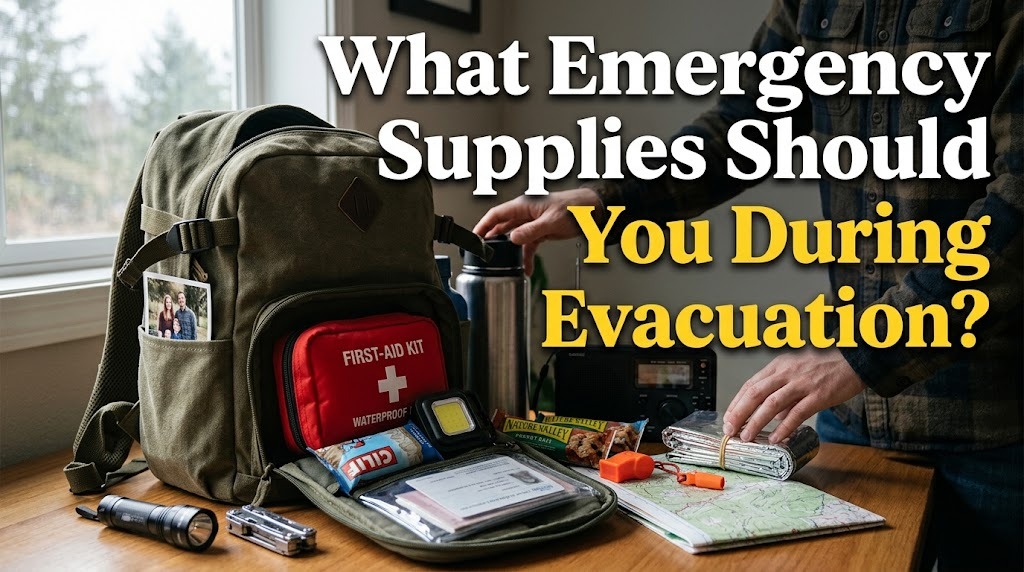
A disaster can happen unexpectedly and may require people to leave their homes quickly. During an evacuation, having the right emergency supplies can help people meet their basic needs while traveling to a safe location or staying at an evacuation center. Preparing these supplies before a disaster occurs is better than trying to collect everything at the last minute. An organized emergency bag can also help families evacuate more efficiently.
The supplies needed may depend on the type of disaster, location, weather, and individual needs. People should focus on essential items rather than carrying too many unnecessary belongings. Emergency bags should be stored somewhere that is easy to reach. Every family member should also know where the bags are kept and how to carry them safely.
DRINKING WATER AND FOOD
Drinking water is one of the most important supplies during an evacuation. People may have limited access to clean water when roads, buildings, or public facilities are affected by a disaster. Bringing enough safe drinking water for the initial evacuation period can help prevent dehydration while waiting for further assistance.
People should also prepare ready-to-eat food that is easy to carry and does not require complicated preparation. Suitable options may include packaged foods with a long shelf life. Food should be stored properly and checked regularly for expiration dates. Families should consider special dietary needs when preparing emergency food.
FIRST AID AND MEDICAL SUPPLIES
A first aid kit can be useful for dealing with minor injuries during an evacuation. Basic items may include bandages, sterile gauze, antiseptic supplies, and other appropriate first aid materials. The kit should be kept in a waterproof or protected container whenever possible.
People who regularly use prescribed medicines should prepare an adequate supply according to their medical needs. Important medical information and necessary health-related items should also be included. Medicines should be stored properly and checked regularly to ensure they have not expired.
FLASHLIGHTS AND COMMUNICATION DEVICES
A flashlight is an important item because electricity may be unavailable during a disaster. A portable flashlight can help people see evacuation routes, stairs, or surroundings when it is dark. Extra batteries can also be useful if the flashlight does not have a rechargeable power source.
A charged mobile phone and power bank can help people receive emergency information and communicate with family members. However, mobile networks may not always work during major disasters. People should therefore avoid relying on only one communication method and should also keep important phone numbers written down.
IMPORTANT DOCUMENTS AND MONEY
Important identification documents may be needed when receiving assistance or accessing certain services after an evacuation. Copies of important documents can be stored in a waterproof folder or another protected container. People should only take essential documents and avoid carrying unnecessary valuables during an emergency.
Some cash in small denominations can also be useful because electronic payment systems or ATMs may not work if electricity or communication networks are disrupted. The amount should be reasonable and stored securely. People should prioritize safety rather than risking their lives to protect money or valuable belongings.
CLOTHING AND PERSONAL HYGIENE ITEMS
People may need extra clothing if they have to remain away from home for an extended period. Lightweight clothing suitable for the local weather can be useful, along with comfortable footwear. Depending on the situation, a raincoat or other weather protection may also be appropriate.
Basic hygiene supplies can help people stay comfortable and maintain cleanliness at an evacuation center. These may include soap, toothbrushes, toothpaste, tissues, sanitary products, and other personal necessities. Each person should have supplies that match their individual needs.
SPECIAL ITEMS FOR FAMILY MEMBERS
Emergency supplies should consider the needs of children, elderly people, people with disabilities, and others who require additional assistance. Children may need appropriate food, clothing, or comfort items. Elderly people may require specific medicines or mobility-related supplies.
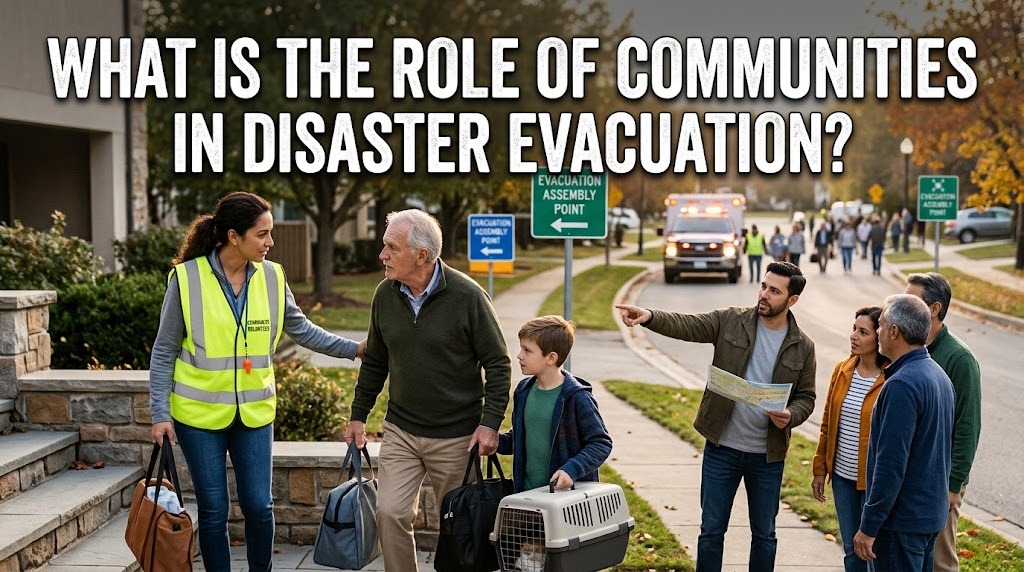
Families should also consider pet supplies if pets are being evacuated. Food, drinking water, a suitable carrier, and other necessary items may be required depending on the animal. Preparing these items in advance can make it easier to evacuate everyone safely without unnecessary delays.
KEEP THE EMERGENCY BAG READY
An emergency bag should be easy to carry and easy to access. It should not be overloaded because people may need to walk a significant distance during an evacuation. Each family can prepare individual bags or organize supplies based on the number of people and their specific needs.
The contents should be checked regularly. Replace expired food, medicines, batteries, and other items when necessary. Update important documents and contact information when circumstances change. Regular checks ensure that the emergency bag remains useful when it is needed.
CONCLUSION
The most important emergency supplies include drinking water, ready-to-eat food, first aid supplies, necessary medicines, flashlights, communication devices, important documents, clothing, and hygiene items. Families should also prepare additional supplies based on individual needs and the type of disaster that may occur. Preparing an emergency bag in advance can save time and reduce confusion during evacuation. Most importantly, people should prioritize safety and follow instructions from emergency authorities throughout the evacuation.
Tentang Penulis
Gusti Ayu Tita P
Penulis — Universitas STEKOM
Penulis aktif yang berfokus pada isu-isu akademik, teknologi pendidikan, dan pengembangan sumber daya manusia di lingkungan kampus.