Why Are Evacuation Routes Important During Disasters?
Gusti Ayu Tita P
19 September 2026
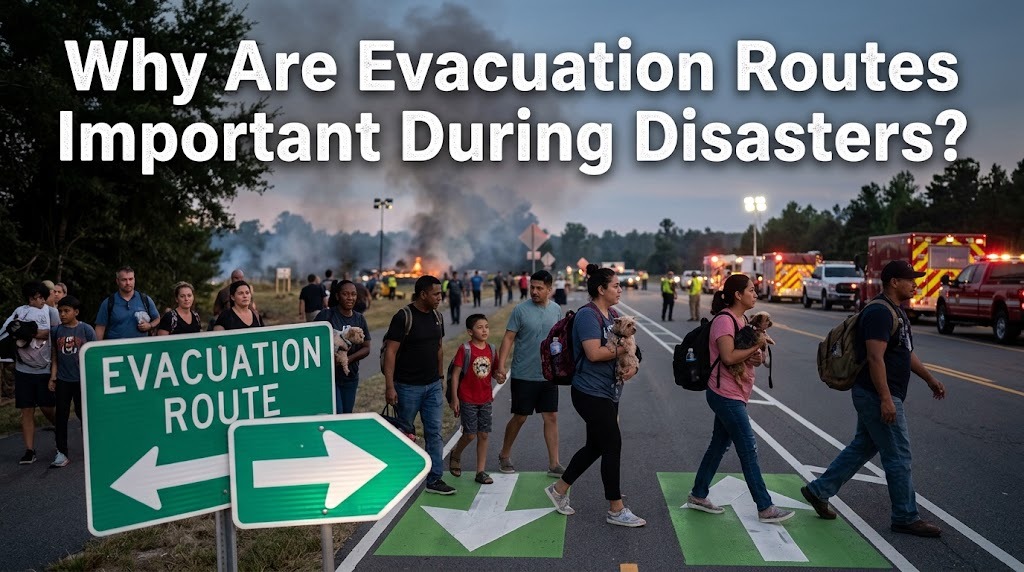
Disasters such as earthquakes, floods, fires, landslides, and tsunamis can happen with little warning. When an emergency occurs, people may become confused because roads can be crowded, damaged, or blocked. This is why evacuation routes are an important part of disaster preparedness. A clear evacuation route helps people know where to go and which areas should be avoided.
Knowing an evacuation route before a disaster happens can save valuable time. People do not have to spend too much time deciding where to go when an emergency occurs. Families, schools, workplaces, and communities can prepare by learning the safest routes and identifying nearby evacuation centers. Good planning can make the evacuation process more organized and reduce unnecessary risks.
PROVIDE A CLEAR PATH TO SAFETY
The main purpose of an evacuation route is to provide a clear path from a dangerous area to a safer location. During an emergency, people may not know which roads are safe, especially when normal routes are affected. A designated evacuation route gives people a specific direction to follow. This can be especially useful when many people need to leave an area at the same time.
Evacuation routes are usually connected to safe locations such as evacuation centers, assembly points, or higher ground, depending on the type of disaster. Signs, maps, and other directions can help people recognize these routes. People should become familiar with the routes around their homes, schools, and workplaces before an emergency occurs. Understanding the route in advance can make evacuation faster and more organized.
REDUCE PANIC AND CONFUSION
A disaster can create fear, stress, and confusion, particularly when people are not prepared. Without clear directions, some people may choose random roads or follow others without knowing whether the route is safe. This can create additional problems, especially if the selected route leads toward the danger.
Knowing an evacuation route provides people with a clear plan to follow. Families can discuss where they should go and where they should meet if they become separated. Schools and workplaces can also practice evacuation procedures so people understand what to do. Regular practice can help individuals become more familiar with emergency procedures and respond more calmly.
HELP PEOPLE AVOID DANGEROUS AREAS
Another important benefit of evacuation routes is helping people stay away from known hazards. A disaster can make certain roads dangerous because of flooding, fire, falling debris, damaged buildings, landslides, or other hazards. A planned route should consider these risks and direct people toward safer areas.
However, an evacuation route is not always permanently safe. Disaster conditions can change quickly, so people must continue listening to official instructions during an emergency. If authorities close a road or tell residents to use another route, those instructions should be followed. People should never enter a dangerous area simply because it is part of a route they previously learned.
SAVE VALUABLE EVACUATION TIME
During some disasters, time can be extremely important. People who already know where to go can begin moving sooner instead of spending valuable time searching for directions. Having a planned route also makes it easier to prepare family members and organize necessary supplies before leaving.
A good evacuation plan should include a main route and an alternative route whenever possible. The alternative route can be useful if the main road is blocked or becomes unsafe. People should also know the location of nearby evacuation centers and assembly points. Preparing these details in advance can reduce delays when an evacuation order is issued.
SUPPORT COMMUNITY SAFETY
Evacuation routes are important not only for individuals but also for entire communities. When residents understand the same evacuation system, authorities can provide clearer instructions during an emergency. Communities can organize evacuation routes based on local hazards, population, available roads, and the location of safe areas.
Community preparedness is especially important for large-scale disasters. People may need to evacuate together while roads and public spaces become crowded. Residents can support one another by sharing reliable information, helping people who need assistance when it is safe, and following official directions. Cooperation can make the evacuation process more orderly.
HELP EMERGENCY SERVICES
Clearly planned evacuation routes can also help emergency personnel work more effectively. Firefighters, medical teams, police, and other emergency workers need access to affected areas while residents are moving toward safety. Organized routes can help reduce unnecessary congestion and make emergency response easier to coordinate.
People should therefore avoid blocking designated routes or stopping unnecessarily during evacuation. If emergency personnel give different instructions, evacuees should follow their directions immediately. Emergency workers may change routes because they have updated information about hazards that are not obvious to the public.
MAKE EVACUATION PLANNING MORE EFFECTIVE
Evacuation routes are one part of a larger disaster preparedness plan. Families should combine route planning with emergency supplies, communication plans, important contact information, and knowledge of local warning systems. Schools and workplaces can also create procedures for safely moving large groups of people.
Evacuation routes should be reviewed and updated regularly. Roads may change because of construction, damaged infrastructure, new buildings, or changes in local disaster risks. People should check official information to make sure they are familiar with the current routes and evacuation locations.
CONCLUSION
Evacuation routes are important because they provide clear directions, reduce confusion, save time, and help people avoid dangerous areas during disasters. They also support communities and emergency services by making evacuation more organized. However, people should remember that conditions can change quickly, so they must continue following instructions from official authorities. Learning evacuation routes before a disaster and regularly reviewing them can help people respond more safely and effectively.
Tentang Penulis
Gusti Ayu Tita P
Penulis — Universitas STEKOM
Penulis aktif yang berfokus pada isu-isu akademik, teknologi pendidikan, dan pengembangan sumber daya manusia di lingkungan kampus.