Why Can Failure Cause Frustration?
Gusti Ayu Tita P
21 September 2026
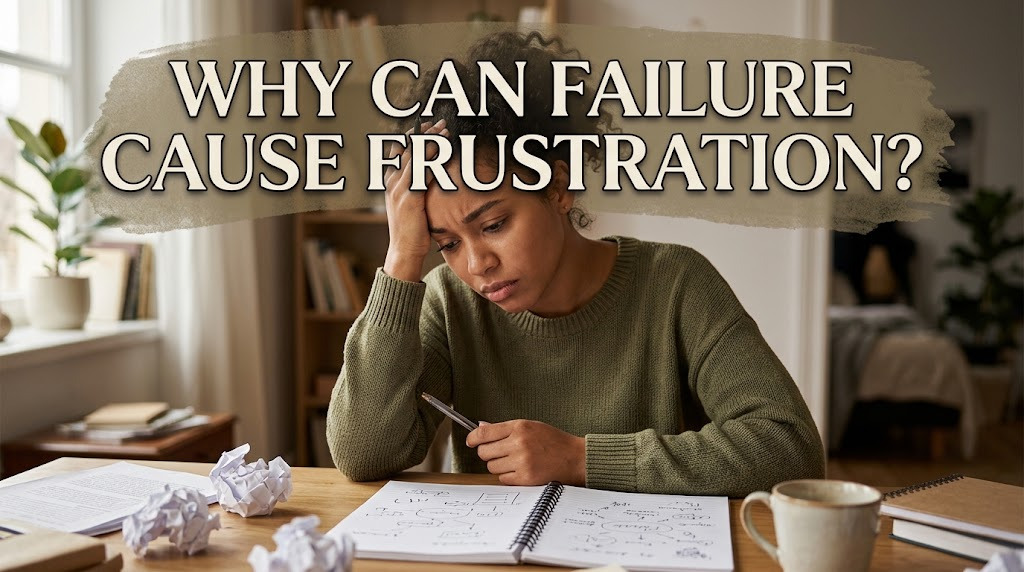
Failure is a common part of life that can happen when an expected result is not achieved. Whether it occurs while studying, working, pursuing a personal goal, or learning something new, failure can create various emotional responses. One of the emotions that may appear after failure is frustration, especially when someone has invested significant time and effort into achieving a particular result.
Understanding the connection between failure and frustration can help people respond to setbacks more constructively. Frustration does not necessarily mean that someone cannot handle failure. Instead, it can be a natural response to the gap between what a person hoped would happen and what actually happened.
EXPECTATIONS DO NOT MATCH THE RESULT
One major reason failure can cause frustration is the difference between expectations and reality. When someone expects a certain outcome after making an effort, an unsuccessful result may feel disappointing. The greater the difference between the expected outcome and the actual result, the stronger the emotional response may feel.
For example, a student may expect a good result after spending considerable time preparing for an exam. If the result is lower than expected, the person may feel disappointed and frustrated. This reaction can occur because the outcome does not seem to reflect the effort that was invested.
EFFORT DOES NOT ALWAYS PRODUCE THE EXPECTED OUTCOME
Frustration can also develop when someone has worked hard but still does not achieve the desired result. People often expect effort to lead directly to success, but outcomes can also be influenced by circumstances, timing, available resources, and other factors. When considerable effort does not produce the expected result, a person may question whether continuing is worthwhile.
This situation can make emotional frustration stronger because the person may feel that their efforts have not produced meaningful progress. However, an unsuccessful outcome does not automatically mean that the effort was useless. The experience may still provide information about what needs to be improved, changed, or approached differently.
FAILURE CAN AFFECT THE WAY SOMEONE SEES THEMSELVES
Repeated failure may sometimes influence how a person evaluates their own abilities. Someone who experiences several setbacks may begin to focus more on mistakes than on progress. If this happens repeatedly, frustration can become connected to negative thoughts about the situation or personal performance.
It is important to separate a specific unsuccessful result from a person's overall abilities or worth. Failure is an experience, not a complete definition of who someone is. Looking at mistakes as information for evaluation can help reduce unnecessary emotional pressure and create a more balanced understanding of what happened.
HOW TO DEAL WITH FRUSTRATION AFTER FAILURE?
After experiencing failure, it can help to give yourself time to acknowledge disappointment instead of immediately forcing yourself to feel positive. Once emotions become calmer, review what happened and identify factors that could be changed in the future. This process of self-evaluation can turn a setback into useful information for the next attempt.
Setting smaller and realistic goals can also make it easier to regain motivation. Instead of expecting immediate success, focus on one improvement at a time and recognize progress along the way. Talking with a trusted person can also provide another perspective and make it easier to manage frustration after failure.
CONCLUSION
Failure can cause frustration because the result may not match expectations, especially when someone has invested considerable effort in reaching a goal. Disappointment can become stronger when a person encounters repeated obstacles or feels that their efforts have not produced the expected outcome. These reactions are understandable and can be managed through healthy emotional awareness.
The experience of failure can also provide an opportunity to evaluate strategies, identify areas for improvement, and set more realistic goals. By practicing emotional management and focusing on gradual progress, frustration can become easier to handle. A setback does not have to determine what someone can accomplish in the future.
Tentang Penulis
Gusti Ayu Tita P
Penulis — Universitas STEKOM
Penulis aktif yang berfokus pada isu-isu akademik, teknologi pendidikan, dan pengembangan sumber daya manusia di lingkungan kampus.