Why Can Frustration Make Someone Feel Angry?
Gusti Ayu Tita P
21 September 2026
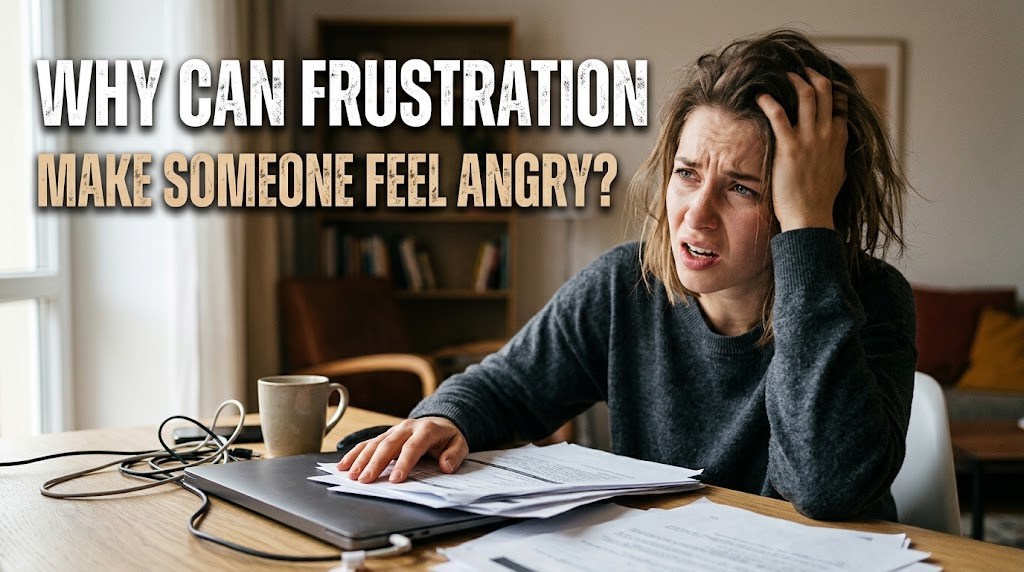
Frustration and anger are emotions that can be closely connected, especially when someone faces obstacles, disappointment, or situations that do not go as expected. Frustration may appear when a person is unable to reach a goal or solve a problem despite making an effort. When this feeling continues or becomes stronger, it can contribute to irritation and anger.
However, frustration does not always lead to anger. People respond to difficult situations in different ways depending on their circumstances, experiences, expectations, and ability to manage emotions. Understanding the connection between frustration and anger can help someone recognize emotional changes and respond to problems more calmly.
FRUSTRATION CAN OCCUR WHEN GOALS ARE BLOCKED
One reason frustration can lead to anger is that people often experience frustration when something prevents them from reaching an important goal. A person may have a clear plan and put significant effort into achieving it, only to encounter an unexpected obstacle. This can create feelings of disappointment and irritation. When the obstacle continues, those feelings may become more intense.
For example, someone may become frustrated when an important task repeatedly encounters problems. The person may feel that their effort is not producing the expected result. If the situation continues without a clear solution, irritation can increase. Recognizing this process can help a person understand that anger may be connected to an underlying feeling of frustration.
UNMET EXPECTATIONS CAN INCREASE IRRITATION
Expectations can strongly influence how someone responds to a situation. When reality is significantly different from what a person expected, disappointment may occur. If the situation also prevents them from achieving an important goal, frustration may increase. This can make someone more sensitive to additional problems.
Unmet expectations do not automatically cause anger, but they can contribute to emotional tension. A person who expected a task to be simple may become irritated when unexpected difficulties appear. Similarly, repeated disappointments can make it harder to remain patient. Learning to recognize unmet expectations can help someone understand where their frustration is coming from.
ACCUMULATED EMOTIONS CAN AFFECT RESPONSES
Frustration can become more difficult to manage when several stressful or disappointing situations happen close together. A person may already feel emotionally tired before another problem occurs. As a result, a situation that might normally seem manageable can feel much more irritating. This can increase the possibility of an angry response.
For this reason, recognizing emotional signals early can be useful. Taking a short break, getting enough rest, and creating time to calm down can help reduce emotional pressure. Emotional management allows someone to notice when frustration is building before it affects communication or behavior. Understanding personal triggers can also make it easier to respond appropriately.
HOW CAN FRUSTRATION BE MANAGED BEFORE IT BECOMES ANGER?
One useful approach is to identify the cause of frustration before reacting. Asking what happened, what is within personal control, and what action can be taken next may help organize thoughts. Taking a pause before responding can also provide time to reduce emotional intensity. These steps can support healthy ways to manage frustration.
Clear communication is another important part of managing frustration. If another person is involved, explaining the problem calmly can reduce misunderstandings and make it easier to find a solution. If the problem cannot be solved immediately, focusing on what can be controlled may reduce unnecessary emotional pressure. With practice, a person can learn to respond to frustration without automatically turning it into anger.
CONCLUSION
Frustration can make someone feel angry because obstacles, unmet expectations, and repeated difficulties can create increasing emotional tension. When a person feels unable to achieve an important goal, irritation may become stronger and eventually influence their response to the situation.
Recognizing the source of frustration can help prevent emotions from becoming overwhelming. Taking a pause, adjusting expectations, communicating clearly, and focusing on practical solutions can support better emotional management. Understanding the connection between frustration and anger can make it easier to respond to difficult situations in a calmer and more constructive way.
Tentang Penulis
Gusti Ayu Tita P
Penulis — Universitas STEKOM
Penulis aktif yang berfokus pada isu-isu akademik, teknologi pendidikan, dan pengembangan sumber daya manusia di lingkungan kampus.