Effective Strategies For Protecting Marine Resources In The Modern Era
Gusti Ayu Tita P
11 Agustus 2026
Marine resources are essential for human life, economic activity, and healthy ecosystems. Oceans provide food, employment, transportation routes, energy resources, and habitats for countless species. However, overfishing, pollution, climate change, habitat destruction, and unsustainable coastal development are putting increasing pressure on marine environments. Protecting these resources requires practical strategies that combine environmental conservation with responsible economic activities.
In the modern era, marine conservation cannot depend on a single approach. Governments, businesses, researchers, coastal communities, and individuals all have important roles to play. Sustainable marine management should use scientific information, modern technology, strong regulations, and community participation. With coordinated action, marine ecosystems can remain productive and resilient for future generations.
UNDERSTANDING THE IMPORTANCE OF MARINE RESOURCES
Marine resources include living organisms, habitats, and natural materials found in oceans and coastal areas. Fish, shellfish, seaweed, coral reefs, mangroves, and seagrass ecosystems provide important ecological and economic benefits. Millions of people around the world depend directly or indirectly on marine resources for food and income. Healthy oceans also contribute to climate regulation and coastal protection.
Because marine ecosystems are interconnected, damage to one component can affect many others. For example, the degradation of mangroves can reduce nursery habitats for fish and increase coastal vulnerability. Protecting marine ecosystems therefore requires an approach that considers the relationship between species, habitats, and human activities. Long-term conservation is essential for maintaining these benefits.
PROMOTING SUSTAINABLE FISHERIES
Overfishing is one of the major pressures affecting marine resources. When fish are harvested faster than populations can reproduce, fish stocks can decline and ecosystems may become less stable. Sustainable fisheries management aims to keep fishing within levels that allow fish populations to recover and remain productive. This can involve catch limits, seasonal restrictions, gear regulations, and protection of important spawning areas.
Effective fisheries management also requires reliable scientific information. Authorities need data about fish populations, reproduction, migration, and fishing activity to establish appropriate regulations. Fishers should also be involved in management discussions because they possess valuable local knowledge. Cooperation can improve compliance and make conservation measures more practical.
REDUCING MARINE POLLUTION
Marine pollution can come from many sources, including plastic waste, wastewater, agricultural runoff, oil, and industrial activities. Pollution can harm marine organisms, damage habitats, and reduce the quality of seafood and coastal environments. Marine pollution control should begin by reducing waste and harmful substances before they reach rivers and oceans.
Improving waste management is particularly important in coastal communities. Recycling, proper disposal systems, wastewater treatment, and reductions in single-use plastics can help reduce pollution. Businesses and industries should also follow environmental standards and manage hazardous materials responsibly. Preventing pollution is generally more effective than trying to remove large amounts of waste after it enters the ocean.
PROTECTING MARINE HABITATS
Healthy habitats provide food, shelter, breeding grounds, and nursery areas for marine species. Coral reefs, mangroves, seagrass beds, estuaries, and coastal wetlands are particularly valuable ecosystems. Marine habitat protection can strengthen biodiversity and improve the resilience of coastal communities. Conserving these areas also supports fisheries and tourism.
Habitat protection can involve restoration programs, protected areas, responsible coastal development, and pollution reduction. Restoration efforts may include planting mangroves or rehabilitating damaged coastal ecosystems. However, restoration should be combined with efforts to address the causes of degradation. Protecting existing healthy habitats is often an important priority because prevention can be more effective than restoration.
EXPANDING MARINE PROTECTED AREAS
Marine protected areas are designated zones where certain human activities are regulated to conserve ecosystems and species. Depending on their objectives, these areas can restrict fishing, tourism, extraction, or other activities. Marine protected areas can provide safe spaces for vulnerable species and help protect important habitats. They can also contribute to fisheries recovery when properly designed and managed.
The effectiveness of a protected area depends on factors such as location, size, management rules, enforcement, and community support. Protected areas should be based on scientific evidence and local conditions. Local communities and resource users should have opportunities to participate in planning and management. Strong monitoring is also necessary to determine whether conservation goals are being achieved.
USING TECHNOLOGY FOR MARINE CONSERVATION
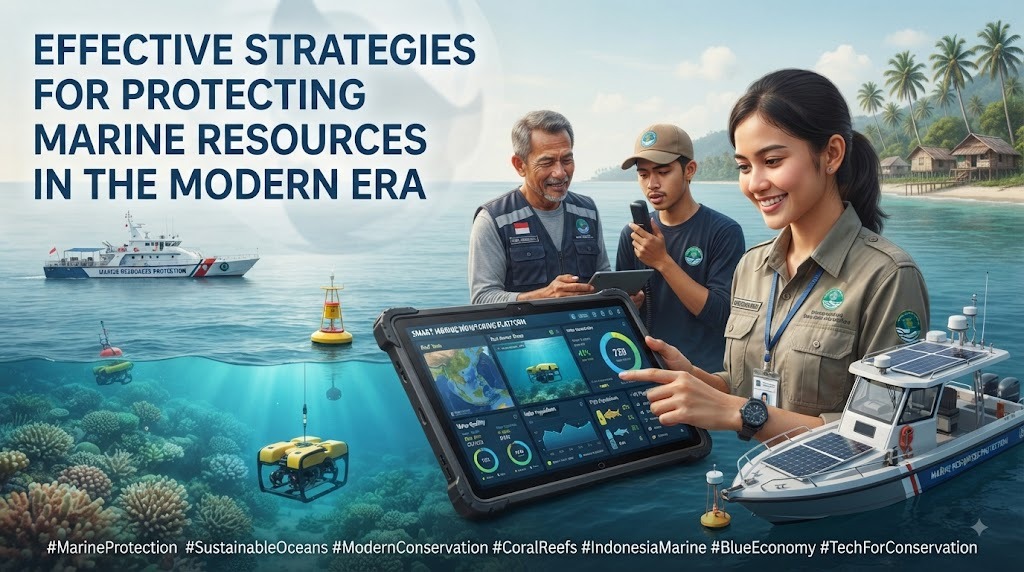
Modern technology can improve the way marine resources are monitored and managed. Satellite imagery, remote sensing, underwater sensors, acoustic surveys, and electronic monitoring systems can provide valuable information about marine conditions. Marine conservation technology can help identify changes in habitats, fish populations, and human activities.
Digital tools can also support enforcement and improve transparency in fisheries management. For example, vessel monitoring systems can provide information about fishing activity in regulated areas. Artificial intelligence and data analysis may help researchers identify patterns in large datasets. However, technology should complement field research and local knowledge rather than replace them.
ADDRESSING CLIMATE CHANGE IMPACTS
Climate change is creating additional challenges for marine ecosystems. Rising ocean temperatures can alter species distributions, while ocean acidification can affect organisms that build shells or skeletons. Sea-level rise and stronger climate-related hazards can also affect coastal ecosystems and communities. Climate adaptation should therefore be integrated into marine resource management.
Protecting biodiversity and healthy habitats can improve ecosystem resilience. Managers can also monitor changes in species distribution and adjust conservation measures as conditions change. Reducing greenhouse gas emissions remains essential for limiting long-term climate impacts. Marine conservation and climate action should work together rather than being treated as separate issues.
SUPPORTING RESPONSIBLE COASTAL DEVELOPMENT
Coastal areas often experience pressure from tourism, housing, ports, industry, and other economic activities. Poorly planned development can destroy habitats and increase pollution. Sustainable coastal development requires careful planning that considers environmental, social, and economic impacts. Development projects should avoid unnecessary damage to sensitive ecosystems.
Environmental assessments can help identify potential risks before projects are approved. Coastal zoning can also separate areas intended for conservation, development, fishing, tourism, and other uses. Local communities should participate in planning because they understand local conditions and depend on coastal resources. Balanced development can support economic growth without sacrificing long-term ecosystem health.
STRENGTHENING COMMUNITY PARTICIPATION
Local communities are important partners in protecting marine resources. Fishers, coastal residents, tourism operators, and community organizations often have direct knowledge of marine ecosystems. Community-based conservation can involve local people in monitoring, restoration, sustainable fishing, and environmental education. Participation can increase a sense of responsibility and ownership.
Conservation programs are more likely to succeed when local communities understand their benefits and have meaningful opportunities to participate. Governments can provide training, technical support, and access to sustainable livelihood opportunities. Community involvement can also help identify problems that may not be visible through formal monitoring systems. Combining scientific knowledge with local experience can strengthen conservation efforts.
IMPROVING MARINE ENVIRONMENTAL EDUCATION
Education plays an important role in changing attitudes toward marine resources. People who understand the importance of oceans are more likely to make responsible choices regarding waste, seafood consumption, and coastal activities. Marine environmental education can be introduced through schools, community programs, tourism activities, and public campaigns.
Education should focus on practical actions rather than information alone. Students and communities can participate in beach cleanups, mangrove restoration, biodiversity monitoring, and responsible tourism programs. These activities help people understand the connection between daily behavior and marine health. Strong environmental awareness can support conservation efforts over the long term.
STRENGTHENING LAWS AND ENFORCEMENT
Environmental policies are important for controlling activities that threaten marine resources. Regulations can establish fishing limits, protect habitats, control pollution, and manage coastal development. However, regulations are only effective when they are properly implemented. Marine law enforcement needs adequate personnel, funding, monitoring systems, and coordination between relevant institutions.
Clear rules can also help businesses and communities understand their responsibilities. Enforcement should be consistent and supported by transparent procedures. Cooperation between government agencies, local authorities, researchers, and communities can improve monitoring. Strong governance creates better conditions for long-term marine conservation.
PROMOTING RESPONSIBLE CONSUMPTION
Consumers can also influence the sustainability of marine resources. Choosing responsibly sourced seafood can encourage sustainable fishing and aquaculture practices. Reducing unnecessary plastic use can lower the amount of waste entering marine environments. Responsible consumption connects individual choices with broader environmental outcomes.
Businesses have an important role in providing sustainable products and reducing environmental impacts throughout supply chains. Seafood companies can improve traceability and follow responsible sourcing standards. Tourism businesses can reduce waste and promote environmentally friendly activities. When consumers and businesses make informed decisions, market demand can support better marine practices.
BUILDING INTERNATIONAL COOPERATION
Marine ecosystems and fish populations often cross national borders. Migratory species can move between different countries, while pollution can travel through ocean currents. International marine cooperation is therefore necessary to address problems that cannot be solved by one country alone. Countries can share scientific data, coordinate conservation measures, and cooperate against illegal fishing.
International agreements and regional partnerships can strengthen marine governance. Cooperation can also support research, technology transfer, capacity building, and emergency responses. Shared objectives are particularly important for managing highly migratory fish stocks and transboundary ecosystems. Strong international collaboration can increase the effectiveness of global marine conservation.
CONCLUSION
Protecting marine resources in the modern era requires a comprehensive and long-term approach. Sustainable fisheries, pollution reduction, habitat conservation, marine protected areas, modern technology, climate adaptation, and responsible coastal development can work together to protect ocean ecosystems. Community participation, environmental education, strong regulations, and responsible consumption are equally important.
The future of marine resources depends on cooperation between governments, scientists, businesses, coastal communities, and individuals. By combining science, technology, sustainable practices, effective governance, and public participation, societies can reduce pressure on marine ecosystems. Protecting the ocean today will help ensure that marine resources continue to provide ecological, social, and economic benefits for future generations.
About the Author
Gusti Ayu Tita P
Author — STEKOM University
An active author focused on academic issues, educational technology, and human resource development in the campus environment.