How Can Beach Lovers Help Keep Beaches Clean?
Gusti Ayu Tita P
22 September 2026
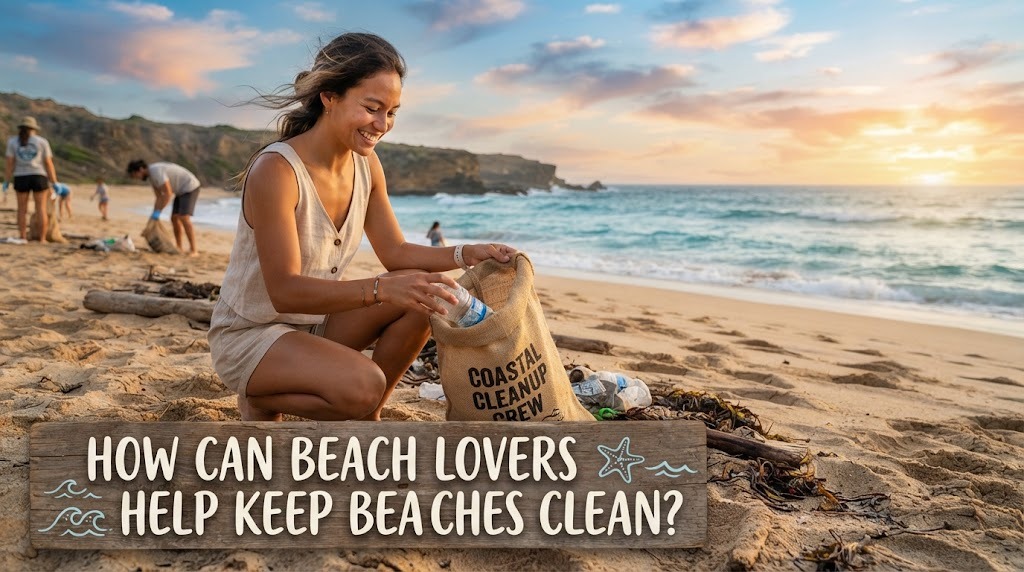
Beaches are valuable natural spaces that provide recreation, relaxation, and economic opportunities for local communities. However, beaches can become polluted when visitors leave plastic, food packaging, and other waste behind. Keeping beaches clean requires cooperation between visitors, local communities, businesses, and tourism managers. Small actions from beach lovers can make a meaningful difference in protecting coastal environments.
Beach lovers can contribute by changing simple habits during every visit. Responsible behavior can reduce waste and help protect marine life from harmful materials. Clean beaches can also create a more comfortable experience for other visitors. By becoming responsible visitors, beach lovers can support both environmental protection and sustainable tourism.
BRINGING REUSABLE ITEMS
One simple way to reduce beach waste is to bring reusable items. Visitors can carry reusable water bottles, food containers, shopping bags, and other practical products. These items can reduce the need for single-use plastic during a beach trip. Reducing disposable waste can help prevent plastic from entering coastal areas.
Reusable products should be prepared before leaving home. Visitors can make a small checklist to ensure they bring everything they need. After using the items, they should be cleaned and stored properly for future trips. This simple habit can gradually reduce the amount of waste produced during beach activities.
DISPOSING OF WASTE PROPERLY
Visitors should always dispose of their waste in the appropriate place. If a beach provides waste bins, people should separate and throw away their rubbish according to the available system. When there are no suitable bins nearby, visitors should take their waste with them until they find an appropriate disposal point. Leaving no waste behind is one of the most basic responsibilities of every beach visitor.
Waste such as plastic wrappers, bottles, straws, and food containers can easily be carried by wind or water. Once these materials enter the ocean, they may become difficult to collect. Some marine animals can also mistake plastic for food or become trapped in it. Proper waste disposal therefore helps reduce potential harm to the coastal ecosystem.
JOINING BEACH CLEANUP ACTIVITIES
Beach lovers can participate in organized beach cleanup activities. These activities may be held by local communities, schools, tourism groups, environmental organizations, or businesses. Participants can collect rubbish and help separate different types of waste. Community cleanups can also encourage more people to become aware of coastal environmental issues.
Cleanup activities can provide practical environmental education. Participants can see the types of waste commonly found on beaches and understand how human behavior affects coastal areas. Working together can also create a stronger sense of responsibility among participants. Even joining a cleanup occasionally can contribute to maintaining a cleaner beach.
REDUCING PLASTIC USE
Plastic is one of the common types of waste found in coastal environments. Beach visitors can reduce plastic consumption by choosing reusable alternatives whenever possible. They can also avoid unnecessary packaging and select products with less disposable material. Reducing plastic use can help lower the amount of waste that may eventually reach the ocean.
Businesses around beaches can also contribute by offering reusable or environmentally friendly alternatives. Visitors can support businesses that demonstrate responsible waste practices. However, individual choices remain important because daily consumption habits influence the amount of waste produced. Consistent small changes can create a larger positive effect when practiced by many people.
PROTECTING THE NATURAL BEACH ENVIRONMENT
Keeping beaches clean also means protecting natural features. Visitors should avoid damaging plants, disturbing wildlife, or removing natural materials unnecessarily. Coastal vegetation can help stabilize sand and provide habitats for various organisms. Respecting nature is therefore an important part of responsible beach behavior.
Visitors should also follow local rules regarding protected areas and wildlife. Activities should be carried out in designated areas whenever possible. Taking shells, coral fragments, or other natural materials may affect the ecosystem in certain locations. By respecting the environment, beach lovers can help preserve the destination for future visitors.
ENCOURAGING OTHERS TO ACT RESPONSIBLY
Beach lovers can influence others through their own behavior. When someone consistently keeps their area clean, uses reusable products, and disposes of waste properly, others may become more aware of responsible habits. Sharing positive environmental messages on social media can also reach a wider audience. However, these messages should be presented politely and constructively.
Visitors can also remind friends and family to clean up after beach activities. Parents can teach children to recognize the importance of keeping natural areas clean. Tourism businesses can place clear signs and provide suitable waste facilities. Cooperation between individuals and communities can make beach cleanliness a shared responsibility.
CONCLUSION
Beach lovers can help keep beaches clean through simple and consistent actions. Bringing reusable items, disposing of waste properly, joining cleanups, reducing plastic use, protecting nature, and encouraging others are practical steps. Beach cleanliness depends on responsible behavior from everyone who uses and manages coastal areas. By adopting better habits, beach lovers can help create healthier and more enjoyable beaches for the future.
About the Author
Gusti Ayu Tita P
Author — STEKOM University
An active author focused on academic issues, educational technology, and human resource development in the campus environment.