How Can You Choose An Interesting Marine Tourism Destination?
Gusti Ayu Tita P
23 September 2026
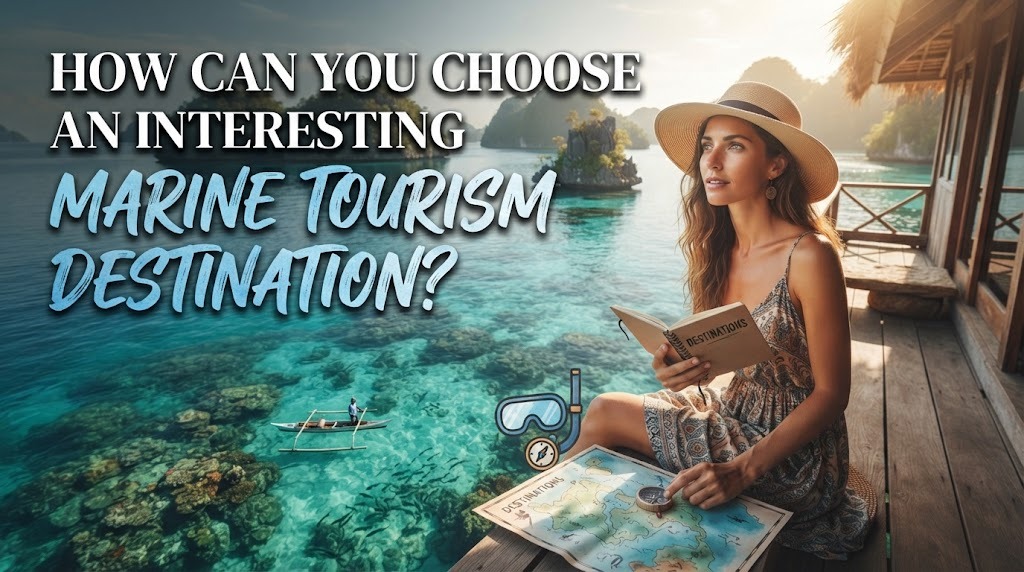
Choosing an interesting marine tourism destination can make a holiday more memorable and enjoyable. With many beaches, islands, coral reefs, and coastal attractions available, travelers need to consider several factors before deciding where to go. A good destination should match personal interests, available time, budget, and travel needs. By making the right choice, travelers can enjoy beautiful marine environments while having a comfortable and meaningful experience.
DETERMINE YOUR MAIN INTEREST
The first step is to identify what kind of marine experience you want. Some travelers may enjoy relaxing on beaches, while others prefer snorkeling, diving, fishing, boating, or exploring small islands. Families may prefer destinations with calm waters and convenient facilities, while adventure seekers may look for places with more challenging activities. Knowing your main interest makes it easier to narrow down the available destinations.
It is also useful to consider whether you want a quiet holiday or an active adventure. If you enjoy photography, a destination with scenic coastlines and colorful sunsets may be suitable. If you are interested in marine life, choose a place known for coral reefs, fish, or other aquatic ecosystems. Matching the destination with your interests can make the trip more satisfying.
CHECK THE NATURAL ATTRACTIONS
Every marine tourism destination has different natural characteristics. Before choosing one, research its beaches, coral reefs, marine animals, islands, and underwater scenery. Some locations are famous for clear water, while others offer unique rock formations, mangrove forests, or beautiful coastal landscapes. Understanding these attractions can help you decide whether a destination is truly interesting for you.
You should also consider the condition of the marine environment. Destinations with well-maintained natural areas can provide better experiences while supporting environmental conservation. Travelers should avoid activities that damage coral reefs or disturb marine animals. Choosing responsibly managed destinations can make tourism more enjoyable and beneficial for nature.
CONSIDER ACCESS AND TRAVEL TIME
An interesting destination should also be practical to reach. Check the available transportation options, including airplanes, buses, trains, ferries, or local boats. Some marine destinations may require several forms of transportation before reaching the final location. Understanding the route and estimated travel time can help you prepare properly.
Travel time is especially important when you have a limited holiday period. A destination that takes many hours to reach may require additional accommodation or transportation planning. You should also check whether boats operate regularly and whether their schedules depend on weather conditions. Good planning can reduce delays and make the journey more comfortable.
COMPARE THE COSTS
Your budget is another important factor when selecting a marine tourism destination. Calculate the expected costs for transportation, accommodation, food, entrance fees, and marine activities. Some destinations may have affordable attractions but expensive transportation, while others may offer packages that include several services. Comparing these costs can help you choose a destination that fits your financial situation.
It is also helpful to prepare an additional budget for unexpected expenses. Equipment rental, local transportation, or changes in travel plans may require extra money. You do not always need to choose the most expensive destination to have a good experience. A destination that offers activities and facilities according to your budget can still provide an enjoyable holiday.
CHECK FACILITIES AND SAFETY
Before traveling, research the facilities available at the destination. Important facilities may include accommodation, restaurants, toilets, medical services, communication networks, and transportation. These facilities can be particularly important for families, older travelers, or people who prefer a comfortable trip. Knowing what is available helps you prepare items that may not be provided locally.
Safety should also be considered before making a decision. Check information about weather conditions, sea currents, local regulations, and activity safety requirements. For activities such as diving or snorkeling, use qualified operators and appropriate equipment. A destination can be exciting while still requiring responsible behavior and careful preparation.
READ REVIEWS AND TRAVEL INFORMATION
Online reviews can provide useful information about other travelers' experiences. Look for recent reviews that discuss cleanliness, accessibility, activities, facilities, prices, and service quality. However, do not depend on one review because personal experiences can be different. Comparing information from several reliable sources can give you a more balanced picture.
Official tourism websites and local authorities can also provide important information about regulations, conservation areas, and travel conditions. Recent information is especially useful because facilities, transportation schedules, and access rules can change. By combining traveler experiences with reliable official information, you can make a more informed choice.
CHOOSE ACCORDING TO THE SEASON
The best time to visit a marine destination can depend on the season and local weather patterns. Rain, strong winds, and high waves may affect boat transportation and water activities. Some destinations have particular periods when visibility is better for snorkeling or diving. Therefore, check seasonal conditions before booking your trip.
You should not assume that every marine destination has the same weather throughout the year. Local conditions can vary between regions, and weather forecasts may change as the travel date approaches. Choosing a suitable period can improve your chances of enjoying outdoor activities safely. It can also help you avoid unnecessary cancellations or travel disruptions.
CONCLUSION
Choosing an interesting marine tourism destination requires more than looking at beautiful pictures. Consider personal interests, natural attractions, accessibility, budget, facilities, safety, reviews, and seasonal conditions before making a decision. This approach can help you find a destination that matches your expectations and travel plans. Most importantly, enjoy marine tourism responsibly by respecting local communities and protecting the natural environment.
About the Author
Gusti Ayu Tita P
Author — STEKOM University
An active author focused on academic issues, educational technology, and human resource development in the campus environment.