How Can You Recognize a Hormonal Disorder?
Gusti Ayu Tita P
22 September 2026
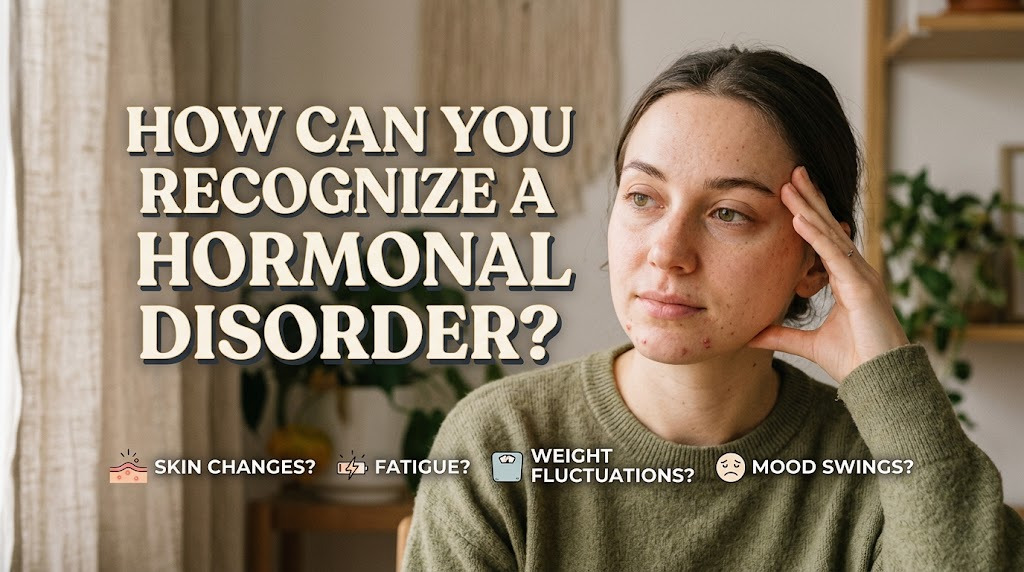
Recognizing a hormonal disorder can be challenging because its symptoms may vary depending on the hormone involved. Hormones influence many body functions, including metabolism, energy, growth, sleep, mood, and reproductive processes. As a result, changes in hormone function may appear in different ways.
Some symptoms may develop gradually and seem similar to everyday changes or other health conditions. Paying attention to persistent or unusual changes can help identify when further evaluation may be appropriate. However, symptoms alone cannot confirm a hormonal disorder, so proper medical assessment may be needed.
PAY ATTENTION TO CHANGES IN ENERGY AND SLEEP
Changes in energy levels and sleep patterns can sometimes be associated with hormonal problems. A person may notice unusual tiredness, changes in their usual energy, or difficulty maintaining a regular sleep pattern. These changes can occur when hormones involved in metabolism or other body processes are affected.
However, tiredness and sleep problems have many possible causes. Stress, changes in daily routines, insufficient sleep, and other health conditions can also contribute to these symptoms. For this reason, persistent changes should be considered together with other symptoms rather than viewed as proof of a hormonal disorder.
NOTICE CHANGES IN BODY WEIGHT AND METABOLISM
Hormones play an important role in metabolism and energy regulation. Changes in certain hormones can therefore be associated with unexplained changes in body weight, appetite, or energy use. Thyroid hormones and insulin are examples of hormones involved in processes that affect metabolism and blood sugar regulation.
A change in body weight does not automatically mean that a hormonal disorder is present. Diet, physical activity, stress, sleep, medications, and other health factors can also influence weight. If significant or persistent changes occur without an obvious explanation, discussing them with a healthcare professional can be helpful.
LOOK FOR CHANGES IN SKIN, HAIR, OR MOOD
Changes in skin, hair, or mood may sometimes occur alongside hormonal changes. Certain hormones can influence oil production in the skin, hair growth, and other body processes. Hormonal changes may also be associated with differences in mood or emotional responses.
These signs are not specific to hormonal disorders, however. Skin and hair changes can have many causes, while mood changes may be influenced by sleep, stress, daily circumstances, and other factors. Looking at the overall pattern of symptoms is more useful than focusing on one change alone.
PAY ATTENTION TO MENSTRUAL OR REPRODUCTIVE CHANGES
Changes in the menstrual cycle can sometimes be associated with changes in reproductive hormones. A cycle may become irregular or change in pattern when hormone regulation is affected. Other reproductive changes may also occur depending on the specific condition.
At the same time, menstrual patterns can naturally vary, especially during puberty and other stages of life. Stress, illness, changes in routine, and other factors can also influence the menstrual cycle. Persistent or unusual changes should be discussed with a healthcare professional to determine whether further evaluation is needed.
CONCLUSION
Recognizing a possible hormonal disorder involves paying attention to persistent or unusual changes in energy, sleep, weight, skin, hair, mood, or reproductive functions. These signs can provide useful information, but none of them alone can confirm a hormonal disorder.
If several changes occur together, continue for a long time, or interfere with daily activities, medical evaluation can help identify the cause. A healthcare professional may review the symptoms, medical history, perform a physical examination, and recommend specific tests when necessary.
About the Author
Gusti Ayu Tita P
Author — STEKOM University
An active author focused on academic issues, educational technology, and human resource development in the campus environment.