How Can You Reduce the Habit of Oversharing on Social Media?
Gusti Ayu Tita P
18 September 2026
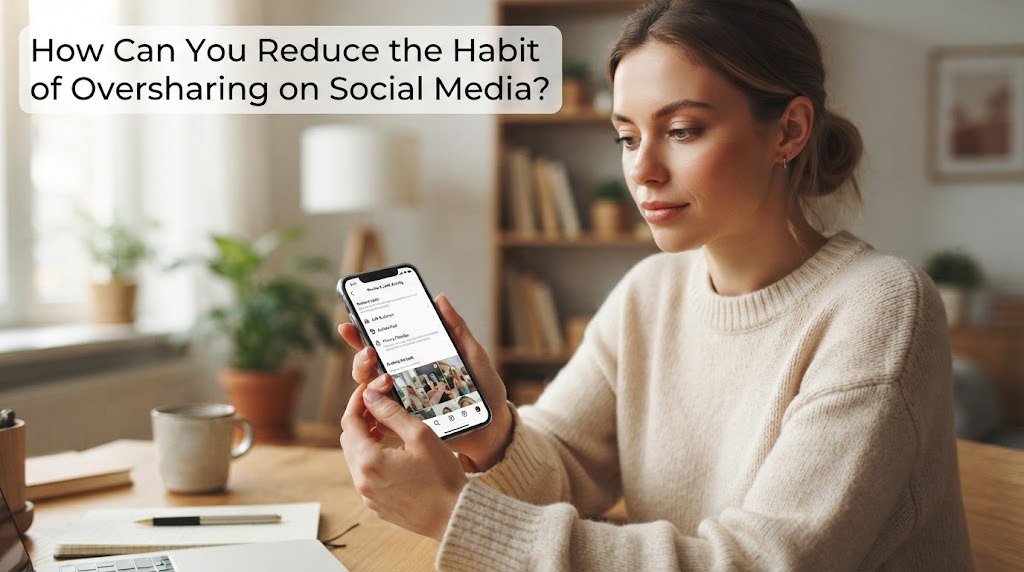
Social media makes it easy to share thoughts, photos, activities, and personal experiences with other people. However, posting too much personal information can create privacy and security risks. Oversharing may become a habit when people post automatically without considering the audience or possible consequences. Learning how to reduce this habit can help users enjoy social media while protecting their personal information.
WHY SHOULD YOU REDUCE OVERSHARING ON SOCIAL MEDIA?
Reducing oversharing is important because information posted online can reach more people than expected. A post may reveal personal details, locations, routines, relationships, or private experiences that should not be available to everyone. Even when a post seems harmless, several posts can be combined to create a detailed picture of someone's life. Being more selective can help users maintain better control over their privacy.
Oversharing can also affect personal relationships and online reputation. A post made without careful thought may cause embarrassment, misunderstandings, or conflict later. Information can also be copied, saved, or shared by other users. Developing healthy social media habits can reduce these unnecessary problems.
HOW CAN YOU THINK BEFORE POSTING?
One of the simplest ways to reduce oversharing is to pause before publishing content. Ask yourself what you are sharing, who can see it, and whether the information really needs to be public. This short pause can help prevent emotional or unnecessary posts. It also gives you time to consider whether the information could create problems in the future.
You can use a simple mental checklist before posting personal content. Consider whether the information is private, whether it involves another person, and whether you would still be comfortable with it being available later. If the answer is uncertain, keeping the information private may be safer. Thinking before posting is an important habit for responsible social media use.
HOW CAN YOU LIMIT THE PERSONAL INFORMATION YOU SHARE?
Reducing the amount of personal information in your posts can significantly lower the risk of oversharing. Avoid unnecessarily sharing home addresses, phone numbers, passwords, financial information, precise locations, or private documents. You should also be careful when discussing family members, friends, school, or workplace details. Not every part of your daily life needs to be shared publicly.
Instead of posting every activity, consider sharing general experiences without revealing sensitive details. For example, you can talk about enjoying a trip without posting your exact location or travel schedule. This allows you to express yourself while maintaining stronger online privacy. Being selective does not mean stopping social media use completely.
HOW CAN YOU CONTROL YOUR SOCIAL MEDIA AUDIENCE?
Controlling who can see your content is another useful way to reduce oversharing risks. Review your account's privacy settings, follower lists, audience controls, and messaging permissions regularly. Depending on the platform, you may be able to limit certain posts to friends or selected people. These settings can help reduce unnecessary exposure.
However, privacy settings should not be treated as complete protection. People who can view your content may still take screenshots or share it with others. Therefore, it is important to combine privacy controls with careful posting habits. A smaller audience can reduce exposure, but thoughtful sharing remains essential.
HOW CAN YOU AVOID EMOTIONAL OVERSHARING?
Strong emotions can make people more likely to post information without thinking about the consequences. Anger, sadness, excitement, or stress may encourage someone to share private feelings, arguments, or personal problems immediately. Once posted, emotional content may be difficult to control if other people have already seen or copied it. Taking time to calm down can reduce this risk.
A useful habit is to write the post privately first instead of publishing it immediately. Wait for some time and read it again when your emotions are more stable. You may then realize that the information is better kept private or shared only with someone you trust. Pausing before emotional posting can protect both privacy and relationships.
HOW CAN YOU BUILD HEALTHIER SOCIAL MEDIA HABITS?
Healthy social media habits develop through consistent practice. Set personal limits about what types of information you are comfortable sharing and avoid posting simply because you feel pressure to stay active. Reviewing old posts can also help you identify information that is no longer appropriate to keep public. These small actions can gradually reduce automatic oversharing.
It can also help to take regular breaks from social media and reduce unnecessary notifications. Spending less time checking reactions may reduce the urge to post personal information for attention or validation. Focus on sharing meaningful content rather than documenting every moment of your life. This approach supports a better balance between self-expression and privacy protection.
CONCLUSION
Reducing oversharing on social media requires awareness, patience, and consistent habits. Users can start by thinking before posting, limiting sensitive information, controlling their audience, and avoiding emotional posts. Reviewing privacy settings and taking breaks from social media can also make online activity more intentional. By practicing responsible sharing, people can enjoy social media while maintaining stronger online privacy and personal security.
About the Author
Gusti Ayu Tita P
Author — STEKOM University
An active author focused on academic issues, educational technology, and human resource development in the campus environment.