How To Prepare Documents For A Visa Application?
Gusti Ayu Tita P
24 Agustus 2026
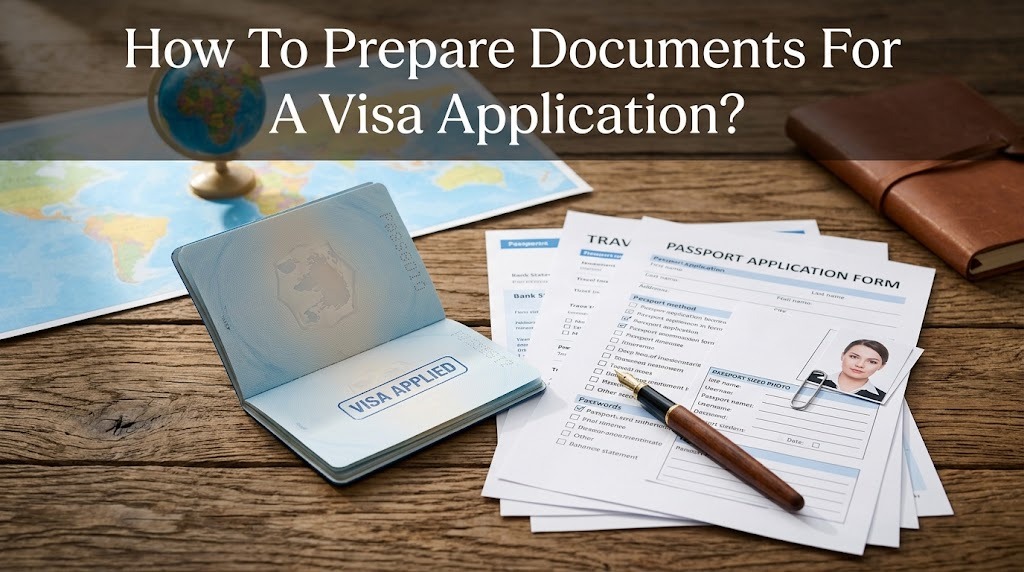
Preparing documents for a visa application is an important step before traveling abroad. Complete and accurate documents can help applicants avoid unnecessary delays and reduce the risk of submitting an incomplete application. However, requirements are different for each country and visa category, so applicants should always check the latest official instructions. Documents may include identity papers, financial evidence, travel information, and other supporting materials. By preparing everything carefully, applicants can make the visa application process more organized and easier to manage.
CHECK THE VISA REQUIREMENTS FIRST
The first step is to identify the correct visa type based on the purpose of the trip. Tourist, student, work, family, and transit visas can have different document requirements. Applicants should visit the official website of the embassy, consulate, or immigration authority responsible for the destination country. Avoid relying only on old information from blogs or social media because visa policies can change. Understanding the official checklist before collecting documents can prevent unnecessary work.
Applicants should also check whether their nationality affects the application process. Some travelers may need a visa, while others may qualify for visa-free entry or an electronic travel authorization. The required documents can also vary according to nationality, travel purpose, and length of stay. Reviewing these details early helps applicants prepare the right paperwork from the beginning.
PREPARE A VALID PASSPORT
A valid passport is one of the most important documents in almost every international visa application. Applicants should check the passport expiration date before starting the process. Some countries require passports to remain valid for a specific period beyond the intended stay. Certain destinations may also require blank pages for visas or immigration stamps.
The information in the passport should match the information entered in the application form. Check the full name, date of birth, passport number, nationality, and other personal details carefully. If the passport is damaged or close to expiration, applicants should check whether renewal is necessary before applying. Using an appropriate and valid passport can prevent avoidable problems during processing.
COMPLETE THE VISA APPLICATION FORM
The visa application form should be completed carefully and truthfully. Applicants may need to provide personal information, employment or education details, travel plans, accommodation information, and other relevant data. Every answer should be consistent with the supporting documents. Incorrect information can result in delays or additional questions.
Before submitting the form, review every section carefully. Pay particular attention to passport numbers, travel dates, addresses, contact information, and the stated purpose of travel. Applicants should not guess when answering important questions if official instructions provide clarification. If an answer is unclear, they should seek guidance from the relevant official visa authority.
COLLECT SUPPORTING DOCUMENTS
Supporting documents provide additional evidence for the information stated in the visa application. Depending on the visa type, these documents may include proof of accommodation, travel plans, invitation letters, employment evidence, educational records, or financial documents. Applicants should follow the exact document checklist provided by the relevant authority. Not every applicant will need every type of document.
Documents should be current, readable, and presented in the format requested. Some authorities may require original documents, copies, certified documents, or official translations. Do not assume that a document accepted by one country will automatically be accepted by another. Following the specific instructions can make the application more complete.
PREPARE FINANCIAL EVIDENCE
Financial evidence is commonly requested to show that an applicant can support themselves during their stay. Depending on the destination, this may include bank statements, salary records, employment letters, scholarship documents, or sponsorship evidence. The required amount and acceptable documents differ between countries and visa categories. Applicants should therefore follow the official financial requirements rather than using a general standard.
Financial information should accurately represent the applicant's real circumstances. Supporting documents should also be consistent with employment, study, and travel information in the application. Clear and genuine financial evidence can help demonstrate how the planned trip will be funded. Applicants should avoid providing misleading or altered financial documents.
CHECK PHOTOGRAPHS AND BIOMETRIC REQUIREMENTS
Some visa applications require a recent passport-style photograph that follows specific technical standards. Requirements can include image size, background, facial position, lighting, and other specifications. Other applications may require applicants to provide biometric information such as fingerprints. These requirements depend on the destination and visa category.
Applicants should check the official photograph specifications before taking or submitting a photo. A photograph that does not meet the required standards may need to be replaced. Biometric appointments should also be scheduled according to the official instructions when they are required. Keeping these requirements in mind can help avoid delays caused by technical issues.
ORGANIZE DOCUMENTS AND TRANSLATIONS
Once all documents have been collected, applicants should organize them according to the official checklist. A simple order can make it easier to identify missing documents before submission. Applicants should also check whether documents written in another language require an official or certified translation. Translation rules differ between countries and application centers.
Names and important information should remain consistent across translated documents and original documents. Applicants should not translate documents themselves if the destination specifically requires a certified translator. Following the required translation and certification rules is important for documents such as birth certificates, academic records, or legal documents when applicable.
REVIEW EVERYTHING BEFORE SUBMISSION
A final document review can help identify mistakes before the application is submitted. Compare the application form with the passport and supporting documents to ensure that important information is consistent. Check that all required documents, photographs, signatures, translations, and payment information have been prepared according to the instructions. It is also useful to keep copies or digital records of submitted documents when permitted.
Applicants should confirm the submission method and appointment requirements before visiting an application center or embassy. Some applications may be submitted online, while others require an appointment for document submission or biometrics. Do not wait until the final day to discover that an additional document is required. Preparing early gives applicants more time to correct problems.
CONCLUSION
Preparing documents for a visa application requires careful checking, accurate information, and good organization. Start by identifying the correct visa and reviewing the latest official requirements. Then prepare a valid passport, complete the application form, collect supporting documents, and provide appropriate financial evidence when required. Applicants should also pay attention to photographs, biometrics, translations, and document formatting. Although careful preparation cannot guarantee visa approval, it can help reduce avoidable mistakes and make the application process more efficient.
About the Author
Gusti Ayu Tita P
Author — STEKOM University
An active author focused on academic issues, educational technology, and human resource development in the campus environment.