The Right Steps to Becoming a Successful Designer: Studying Graphic Design Is the Solution
Gusti Ayu Tita P
13 November 2025
How to Become a Professional Graphic Designer: Start with Studying Graphic Design
Graphic design is a field filled with creativity, innovation, and promising career opportunities. Many people aspire to become successful graphic designers, yet not everyone understands the strategic steps needed to achieve that goal. One of the best paths to take is pursuing formal education in a graphic design program.
Table of Contents
Why Studying Graphic Design Is the First Step Toward Success :
1.1. Building a Strong Foundation of Knowledge and Skills
1.2. Full Access to Facilities and Learning Resources
1.3. Expanding Professional Networks and Connections
1.4. Relevant Hands-On Experience
1.5. Constructive Feedback for Continuous Growth
Conclusion: Investing in the Future through Design Education
1. Why Studying Graphic Design Is the First Step Toward Success
1.1. Building a Strong Foundation of Knowledge and Skills
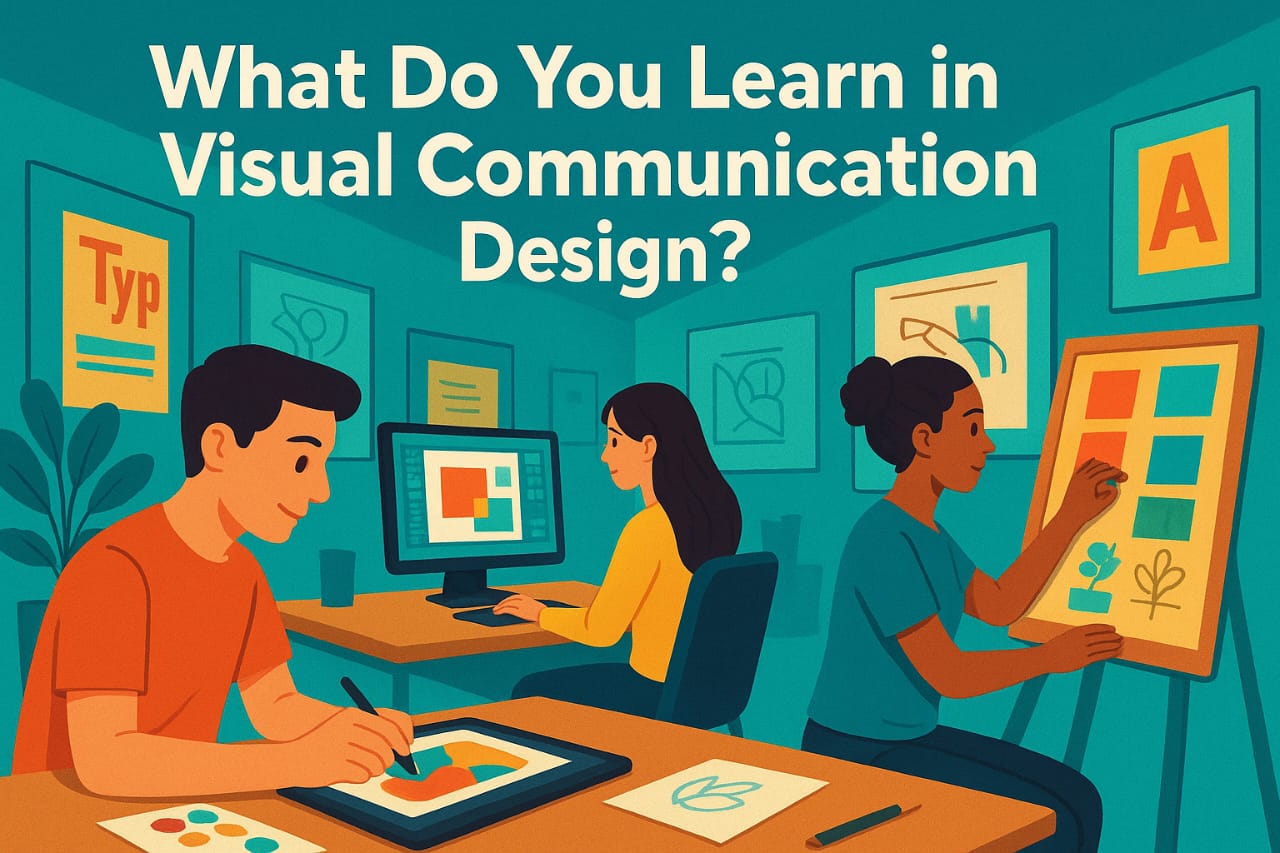
Studying in a graphic design program provides a solid foundation in both design theory and practice. You will learn design principles, visual elements, and how to use professional design software such as Adobe Photoshop, Illustrator, and others. With a structured curriculum, you not only create visually appealing work but also understand the concepts and philosophy behind effective design.
1.2. Full Access to Facilities and Learning Resources
As a graphic design student, you gain access to advanced equipment and facilities commonly used in the creative industry. Universities typically provide design studios, computer laboratories, licensed software, and extensive visual reference libraries. These resources greatly support the learning process and creative exploration.
1.3. Expanding Professional Networks and Connections
Studying graphic design also offers opportunities to build networks with lecturers, industry professionals, and fellow students who share similar interests. These connections can lead to project collaborations, internship opportunities, and future employment. In the creative industry, strong networks often play a crucial role in long-term success.
1.4. Relevant Hands-On Experience
Many graphic design programs offer internships or collaborative projects with real clients. This allows students to apply their knowledge in professional contexts. Such experiences not only strengthen portfolios but also enhance credibility when entering the job market.
1.5. Constructive Feedback for Continuous Growth
One major advantage of learning in an academic environment is receiving constructive feedback. Through design critiques and classroom discussions, students gain new perspectives that help improve their work. The ability to accept feedback and make revisions is an essential quality for professional designers.
2. Conclusion: Investing in the Future through Design Education
Choosing the right university is an important step in becoming a professional graphic designer. Institutions with strong visual communication design programs typically offer:
* Relevant and up-to-date curricula
* Supporting facilities such as studios, software, and design laboratories
* Experienced lecturers with industry backgrounds
* Internship programs and industry partnerships
* Active and supportive creative communities
With the right environment, students gain not only technical skills but also industry insight, soft skills, and a creative mindset essential for professional success.
Closing
In short, studying graphic design is one of the best investments for anyone pursuing a career in the creative industry. This education equips you with in-depth knowledge, practical skills, professional connections, and real-world experience needed in today’s competitive market. If you aspire to become a successful and influential graphic designer, starting your journey through formal graphic design education is a smart and strategic choice.
About the Author
Gusti Ayu Tita P
Author — STEKOM University
An active author focused on academic issues, educational technology, and human resource development in the campus environment.