Tips For Becoming A Flight Attendant And Building A Career In Aviation
Gusti Ayu Tita P
11 Agustus 2026
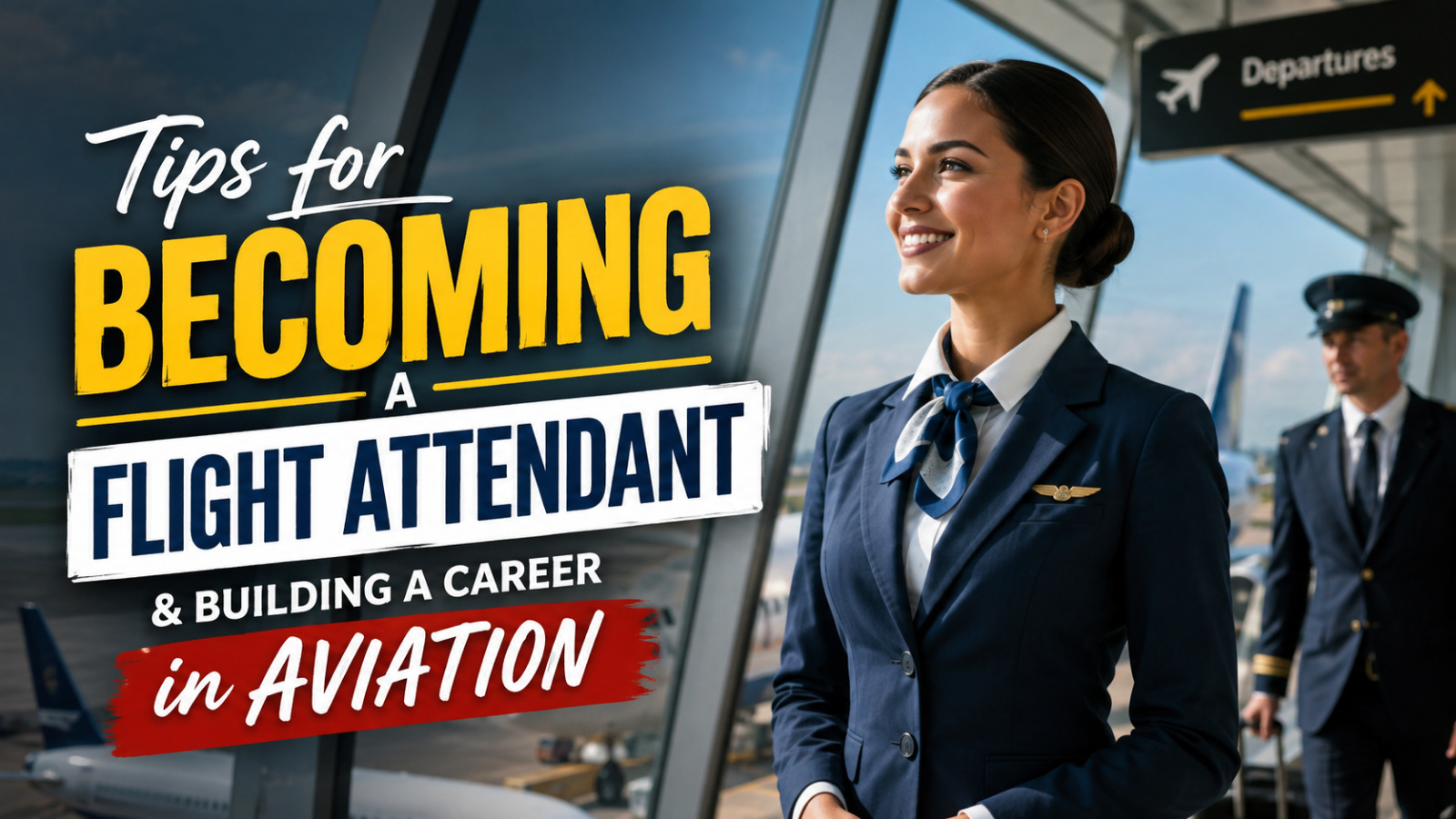
Becoming a flight attendant is an attractive career choice for people who enjoy traveling, communicating with others, and working in a professional environment. However, the job is not only about serving food and assisting passengers. Flight Attendants have important responsibilities related to passenger safety, security, comfort, and emergency procedures. A successful career in aviation requires preparation, discipline, communication skills, and a strong commitment to professional standards. With the right preparation, aspiring candidates can improve their opportunities in the aviation industry.
UNDERSTAND THE ROLE OF A FLIGHT ATTENDANT
A Flight Attendant is a trained aviation professional responsible for assisting passengers and supporting cabin safety during flights. Before departure, cabin crew prepare the cabin, check safety equipment, and make sure passengers follow required procedures. During the flight, they provide passenger services while remaining prepared to respond to safety or medical situations. Their primary responsibility is passenger safety, not simply providing hospitality.
Flight attendants also represent the airline through their appearance, communication, and professional behavior. They need to remain calm when dealing with difficult situations, delays, or nervous passengers. The job requires teamwork because cabin crew members must coordinate closely with each other and with the cockpit crew. Understanding these responsibilities is important before deciding to pursue this career.
PREPARE THE REQUIRED QUALIFICATIONS
Aspiring candidates should carefully check the Flight Attendant Requirements of each airline because qualifications can differ. Airlines may have specific requirements related to education, age, language ability, physical suitability, grooming, and other professional standards. Candidates should always refer to the current recruitment information provided by the airline they want to join.
Good English communication is particularly valuable because flight attendants may serve passengers from different countries. Candidates should also maintain professional presentation, good personal hygiene, and appropriate communication skills. Having a healthy lifestyle can support the physical demands of the profession. Meeting the airline's specific requirements is an important first step toward recruitment.
DEVELOP IMPORTANT FLIGHT ATTENDANT SKILLS
A strong Communication Skill is essential for flight attendants. They need to explain safety procedures clearly, answer passenger questions, and communicate effectively with other crew members. Good communication should be polite, confident, and easy to understand. Candidates should practice speaking clearly and listening carefully to others.
Other important skills include teamwork, problem-solving, adaptability, patience, and emotional control. Flight attendants may encounter passengers with different personalities, languages, needs, and expectations. They must remain professional even when situations become stressful. Strong interpersonal skills can make candidates more competitive during airline recruitment.
PREPARE FOR THE AIRLINE SELECTION PROCESS
The Airline Recruitment process can include several stages depending on the company. Candidates may be required to submit an application, complete document screening, attend interviews, participate in group activities, and undergo additional assessments. Some airlines may also conduct language, personality, or other job-related evaluations.
Preparation should begin before the recruitment day. Research the airline's history, services, values, routes, and professional standards. Practice answering common interview questions and prepare examples that demonstrate teamwork, communication, problem-solving, and customer service. Confidence is important, but candidates should remain honest and professional throughout the selection process.
BUILD A PROFESSIONAL PERSONAL IMAGE
A professional image is important in the aviation industry because flight attendants interact directly with passengers. Candidates should pay attention to Professional Appearance, including neat clothing, appropriate grooming, confident posture, and polite behavior. Professional presentation should support communication rather than replace important skills and qualifications.
Candidates should also develop a positive attitude and demonstrate respect toward others. During interviews, avoid excessive slang and communicate in a clear and professional manner. Social media profiles may also contribute to a person's public image, so maintaining responsible online behavior is beneficial. Professionalism should be demonstrated through both appearance and attitude.
CONTINUE LEARNING AND DEVELOPING YOUR CAREER
Becoming a flight attendant is only the beginning of an aviation career. New cabin crew members receive training related to Cabin Safety, emergency procedures, first aid, service standards, and other job responsibilities. Training and assessments may continue throughout an employee's career to maintain professional competence.
Experienced flight attendants can develop their careers through additional responsibilities and professional development opportunities. Depending on the airline and individual performance, career paths may include senior cabin crew, supervisory roles, training positions, or other aviation-related opportunities. Continuous learning helps professionals adapt to changes in aviation standards and passenger expectations. A long-term aviation career requires discipline, learning, and consistent professional performance.
CONCLUSION
Becoming a flight attendant requires more than an interest in traveling or working on an airplane. Candidates need to understand the responsibilities of Flight Attendants, meet airline requirements, develop strong communication and teamwork skills, and prepare carefully for the recruitment process. Professional appearance and positive behavior are also important during selection and throughout the career. After being accepted, continuous training and professional development remain essential. With discipline, preparation, communication skills, and a commitment to safety, aspiring candidates can build a strong and rewarding career in aviation.
About the Author
Gusti Ayu Tita P
Author — STEKOM University
An active author focused on academic issues, educational technology, and human resource development in the campus environment.