
How Can You Create a Family Disaster Evacuation Plan?
Gusti Ayu Tita P
19 September 2026
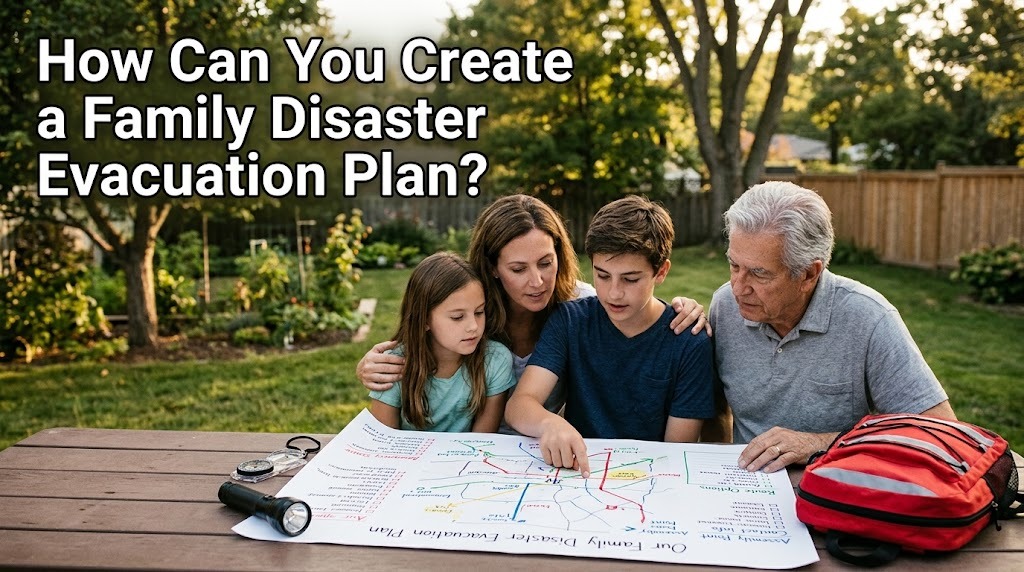
A family disaster evacuation plan is an important preparation that helps family members know what to do when a disaster occurs. Emergencies such as earthquakes, floods, fires, and landslides can happen suddenly, leaving little time to make decisions. Without a plan, family members may become confused about where to go, which route to use, or where to meet after leaving the house. A clear plan allows everyone to understand their responsibilities and respond more calmly. Preparing together can also help families recognize potential dangers around their home and choose safer options before an emergency happens.
IDENTIFY DISASTER RISKS AROUND YOUR HOME
The first step in creating a family evacuation plan is identifying the types of disasters that could affect your area. Different locations have different risks, so families should consider hazards such as earthquakes, floods, fires, landslides, strong winds, or other local emergencies. Information from local authorities can help families understand which disasters are more relevant to their community. Knowing the possible hazards makes it easier to determine what actions should be taken when an emergency occurs.
Families should also examine the surroundings of their home. Look at nearby roads, rivers, slopes, buildings, electrical equipment, and other places that could become dangerous during a disaster. Potential hazards should be identified before an emergency, not while people are already trying to evacuate. Understanding the local environment can help families make better decisions about safe directions and suitable evacuation locations.
PLAN SAFE EVACUATION ROUTES
After identifying possible hazards, choose safe evacuation routes from the home. Every family member should know at least one main route and, if possible, one alternative route. The routes should lead away from dangerous areas and toward an appropriate evacuation location. Families should also consider whether the route can be used safely by children, elderly people, and anyone who may need additional assistance.
Do not choose a route only because it is the shortest. A shorter road may become dangerous because of flooding, damaged buildings, falling objects, fire, or blocked roads. Alternative routes are especially important because the main route may not be available during an actual disaster. Families can walk through the planned routes together before an emergency to make sure everyone understands where to go.
CHOOSE FAMILY MEETING POINTS
A family should choose a designated meeting point where members can gather if they become separated. The meeting point should be easy to recognize and located away from areas that may be affected by the disaster. Families can select a nearby meeting point as well as another location farther away in case the first location cannot be reached.
Everyone should know the location and understand when to go there. Children should be given simple explanations and taught to stay with a trusted adult whenever possible. If communication networks become unavailable, a predetermined meeting point can provide an important way for family members to reconnect. A clear meeting point reduces confusion and helps families account for everyone after evacuation.
PREPARE AN EMERGENCY KIT
An emergency kit should be prepared before a disaster because there may not be enough time to collect supplies during an evacuation. Basic items can include drinking water, food, a flashlight, batteries, a first aid kit, necessary medicines, important documents, and a phone power bank. The contents should be adjusted to the needs of each family and the type of emergency that may occur.
The emergency kit should be stored in a place that is easy to reach quickly. Family members should know where it is located so that nobody has to search for it during an emergency. Check the supplies regularly and replace expired or damaged items. Families should also consider special needs, such as baby supplies, mobility equipment, or other essential personal items.
ASSIGN RESPONSIBILITIES TO FAMILY MEMBERS
A good evacuation plan should explain who is responsible for helping others. Adults can be responsible for assisting young children or family members who require additional support. Older children can be taught simple tasks that are appropriate for their age, such as staying with a designated adult or carrying a lightweight emergency item.
Responsibilities should not be so complicated that they become difficult to remember. Everyone should understand that personal safety comes first and that nobody should take unnecessary risks to complete an assigned task. If an emergency develops quickly, family members should follow official instructions and adjust their responsibilities according to the situation.
PLAN FOR COMMUNICATION PROBLEMS
Communication can become difficult during a disaster because phone networks may be busy or electricity may be unavailable. Families should therefore discuss how they will communicate if they cannot contact one another immediately. Important phone numbers can be written down and kept with emergency supplies instead of relying only on mobile phone contacts.
Families can also decide who should be contacted outside the immediate household if members become separated. Children should know the names of trusted adults they can contact when appropriate. Having a communication plan provides another layer of preparation when normal communication methods do not work.
PRACTICE THE EVACUATION PLAN
A plan becomes more useful when family members practice it regularly. Families can conduct a simple evacuation drill by practicing how to leave the house, which route to follow, and where to meet. During the practice, observe whether everyone understands the instructions and whether the route is practical for all family members.
After the drill, discuss any problems that occurred. Perhaps the emergency bag was difficult to find, a route was blocked, or someone did not understand the meeting point. These issues can then be corrected before a real emergency occurs. Regular practice can reduce confusion and improve preparedness when an actual disaster happens.
UPDATE THE PLAN WHEN CONDITIONS CHANGE
A family evacuation plan should not be considered permanent. It may need to change when the family moves to a new home, children grow older, family members develop different mobility needs, or local evacuation information is updated. Changes in roads, buildings, or community emergency procedures may also affect the safest route.
Review the plan periodically and make sure every family member understands the latest version. Keep emergency contact information and important supplies updated as well. An updated plan is more useful than an outdated plan because it reflects the family's current situation and surroundings.
CONCLUSION
Creating a family disaster evacuation plan involves several important steps, including identifying local hazards, selecting safe routes, choosing meeting points, preparing emergency supplies, and assigning responsibilities. Families should also prepare for communication problems and practice their plan regularly. Every member should understand the basic actions to take and know where to go during an emergency. The plan should be reviewed whenever family circumstances or local conditions change. With proper preparation, families can reduce confusion and respond to disasters in a more organized and safer way.
Tentang Penulis
Gusti Ayu Tita P
Penulis — Universitas STEKOM
Penulis aktif yang berfokus pada isu-isu akademik, teknologi pendidikan, dan pengembangan sumber daya manusia di lingkungan kampus.















