How Can You Evacuate Safely During an Earthquake?
Gusti Ayu Tita P
19 September 2026
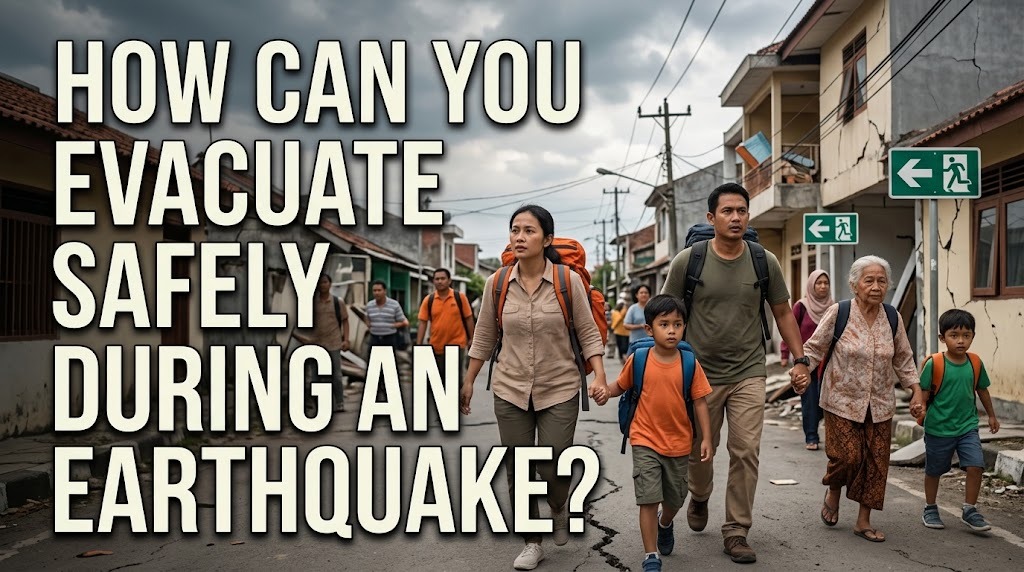
An earthquake can happen suddenly and cause strong shaking, falling objects, damaged buildings, and blocked roads. Because earthquakes often occur with little warning, people need to know what to do before, during, and after the shaking. Evacuating safely requires calm actions, awareness of surroundings, and attention to official instructions. Understanding the correct steps can help reduce unnecessary risks and make it easier to reach a safer location.
PROTECT YOURSELF DURING THE SHAKING
When an earthquake starts, do not immediately run outside if you are indoors. Falling objects, broken glass, and parts of damaged buildings can create serious hazards near exits and outside walls. Instead, follow basic earthquake safety guidance by getting low, taking cover under a sturdy piece of furniture if available, and holding on until the shaking stops.
Stay away from windows, glass, shelves, and objects that could fall. If there is no suitable cover nearby, protect your head and neck and move away from obvious hazards. The safest action during strong shaking is to protect yourself first, rather than trying to evacuate while objects are still falling.
CHECK YOUR SURROUNDINGS AFTER THE SHAKING
Once the shaking stops, look around carefully before moving. Check for damaged structures, broken glass, fallen objects, smoke, fire, and other hazards. Do not assume that a building is safe simply because the strongest shaking has ended, as aftershocks may occur.
If the building appears unsafe or authorities instruct people to leave, evacuate carefully using the safest available exit. Avoid elevators because they may lose power or become unsafe after an earthquake. Use stairs when leaving a multi-story building, while following emergency instructions and avoiding damaged areas.
FOLLOW A SAFE EVACUATION ROUTE
When evacuating after an earthquake, use a designated evacuation route whenever one is available. Stay away from damaged buildings, walls, bridges, power lines, and other structures that may collapse or create additional hazards. Roads can also become blocked by debris, so be prepared to use an alternative safe route.
Move calmly and avoid pushing other people. If you are outside, stay away from buildings, streetlights, utility poles, and other objects that could fall. Choose open and safer areas when directed by authorities, particularly if there is a risk of falling debris or structural collapse.
BE AWARE OF AFTERSHOCKS
Earthquakes can be followed by aftershocks, which are additional movements of the ground that may happen after the main earthquake. These aftershocks can cause further damage to structures that have already been weakened. For this reason, people should remain alert even after reaching a temporary safe location.
If another strong shaking begins, protect yourself again instead of immediately moving through dangerous areas. Follow the same basic earthquake safety actions and wait until the movement stops before continuing. Do not return to damaged buildings unless authorities confirm that they are safe to enter.
HELP FAMILY MEMBERS AND OTHERS
During an earthquake evacuation, check on children, elderly people, and people who may need additional assistance. Stay together when possible and give clear, simple instructions. Children may become frightened, so adults should remain calm and guide them toward the designated safe area.
If someone is injured or trapped, do not enter a seriously damaged building or put yourself in danger to help them. Contact emergency responders and provide information about the person's location if possible. Helping others should not create another emergency, so always consider your own safety as well.
FOLLOW OFFICIAL INFORMATION
After evacuating, continue monitoring official emergency information. Authorities may provide updates about damaged areas, evacuation zones, road conditions, shelters, and other hazards. Information can change quickly, so use reliable sources rather than rumors or unverified social media posts.
If officials instruct residents to remain outside an area, follow those instructions even if the situation appears calm. Do not return home simply to collect belongings. Wait for confirmation that the area is safe before returning.
PREPARE BEFORE AN EARTHQUAKE
The safest earthquake evacuation begins with preparation before the earthquake occurs. Families should identify safe areas inside their homes, learn evacuation routes, choose a meeting point, and prepare an emergency kit. Important emergency contacts should also be saved and written down in case phones or communication networks become unavailable.
Practice earthquake safety procedures with family members so everyone understands what to do. Check heavy furniture and other objects that could fall during an earthquake and take reasonable steps to secure them. Preparation can reduce confusion and help people react more effectively when an earthquake happens.
CONCLUSION
Safe earthquake evacuation requires people to protect themselves during the shaking, assess hazards afterward, and follow safe evacuation procedures. Do not rush outside while the ground is still shaking because falling objects and damaged structures can create additional danger. After the shaking stops, use safe routes, stay alert for aftershocks, help vulnerable family members when possible, and follow official instructions. Preparing an emergency plan and practicing earthquake safety before an event can also improve readiness. The main priority throughout an earthquake emergency should always be protecting human life and reaching a safe location.
Tentang Penulis
Gusti Ayu Tita P
Penulis — Universitas STEKOM
Penulis aktif yang berfokus pada isu-isu akademik, teknologi pendidikan, dan pengembangan sumber daya manusia di lingkungan kampus.