How Can You Find a Safe Disaster Evacuation Route?
Gusti Ayu Tita P
19 September 2026
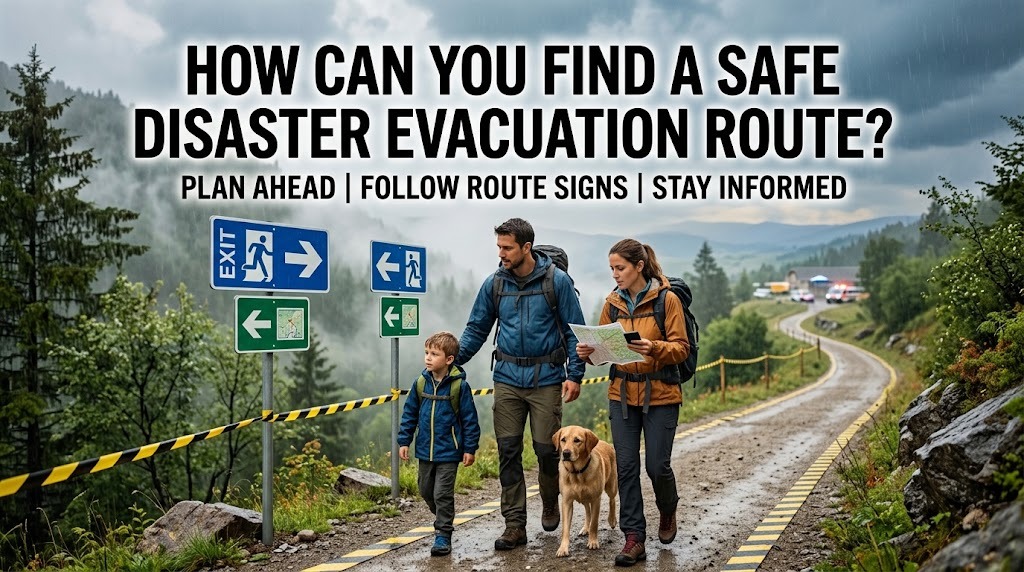
Finding a safe disaster evacuation route is an important part of emergency preparedness. During a disaster, roads and familiar paths may become dangerous because of flooding, fires, damaged buildings, landslides, or fallen objects. Knowing which route to use can help people leave dangerous areas more quickly and safely. A good evacuation route should lead people away from the hazard and toward a safe evacuation area.
CHECK OFFICIAL EVACUATION INFORMATION
The first step is to look for official evacuation information from local authorities and emergency agencies. Information may be provided through warning systems, radio, television, official websites, or announcements from emergency personnel. These sources can provide information about dangerous areas, recommended routes, and designated evacuation locations.
People should avoid relying on rumors or unverified messages during an emergency. Official instructions should be prioritized because conditions can change quickly. If authorities change the evacuation route, follow the latest instructions rather than continuing to use an older route.
IDENTIFY DESIGNATED EVACUATION ROUTES
Many communities have designated evacuation routes marked with signs or maps. Learn where these routes are before a disaster occurs, especially the routes around your home, school, workplace, or other places you frequently visit. Knowing several possible routes can be useful if the main route becomes blocked.
When checking a route, consider whether it provides a practical way to reach a safe location. Look for roads and paths that move away from known hazards and lead toward designated assembly points or shelters. Avoid choosing shortcuts simply because they appear faster if their safety has not been confirmed.
CONSIDER THE TYPE OF DISASTER
The safest evacuation route can depend on the type of disaster. During a flood, for example, people should avoid flooded roads and moving water because the depth and current may be difficult to judge. During a fire, routes should lead away from smoke and flames while following building or emergency evacuation procedures.
For an earthquake, people should be aware of damaged buildings, falling objects, broken roads, and other hazards. In areas at risk of landslides, routes near unstable slopes should be avoided. Understanding the specific hazard helps people choose a safer direction instead of using the same route for every emergency.
AVOID DANGEROUS AREAS
A route should be avoided if it passes through visible hazards or restricted areas. These may include damaged buildings, active fires, deep floodwater, unstable slopes, fallen power lines, or roads blocked by debris. Never enter an area simply because other people are moving in that direction.
Conditions can also change during an evacuation. A route that was safe earlier may become dangerous because of rising water, additional debris, smoke, or structural damage. Stay alert while evacuating and follow updated instructions from emergency responders.
PREPARE MORE THAN ONE ROUTE
It is useful to have a primary evacuation route and an alternative route. The main route may become blocked or overcrowded during a disaster, so knowing another safe option can reduce confusion. Families can discuss these routes together and practice how to reach their designated meeting point.
When planning routes, consider the needs of children, elderly people, and people with disabilities. Choose paths that are practical for everyone who may need to evacuate. A simple family evacuation plan can help each person understand where to go and where to meet after leaving the danger area.
FOLLOW DIRECTIONS DURING EVACUATION
During an actual evacuation, follow instructions from emergency personnel and local authorities. Do not return to a dangerous area to collect belongings unless authorities confirm that it is safe. If the recommended route changes, follow the new direction even if it is different from the route planned beforehand.
After reaching the designated evacuation point, remain there and wait for further instructions. Continue monitoring official information because authorities may provide updates about changing conditions or when it is safe to return. Staying informed helps prevent people from accidentally returning to an unsafe area.
CONCLUSION
Finding a safe disaster evacuation route requires preparation, reliable information, and awareness of potential hazards. People should learn designated evacuation routes, prepare alternative paths, and understand that the safest route can vary depending on the type of disaster. During an emergency, follow official instructions and avoid areas affected by dangerous conditions. With a clear evacuation plan, people can respond more calmly and move toward safety more effectively.
Tentang Penulis
Gusti Ayu Tita P
Penulis — Universitas STEKOM
Penulis aktif yang berfokus pada isu-isu akademik, teknologi pendidikan, dan pengembangan sumber daya manusia di lingkungan kampus.