How Can You Help Children During a Disaster Evacuation?
Gusti Ayu Tita P
19 September 2026
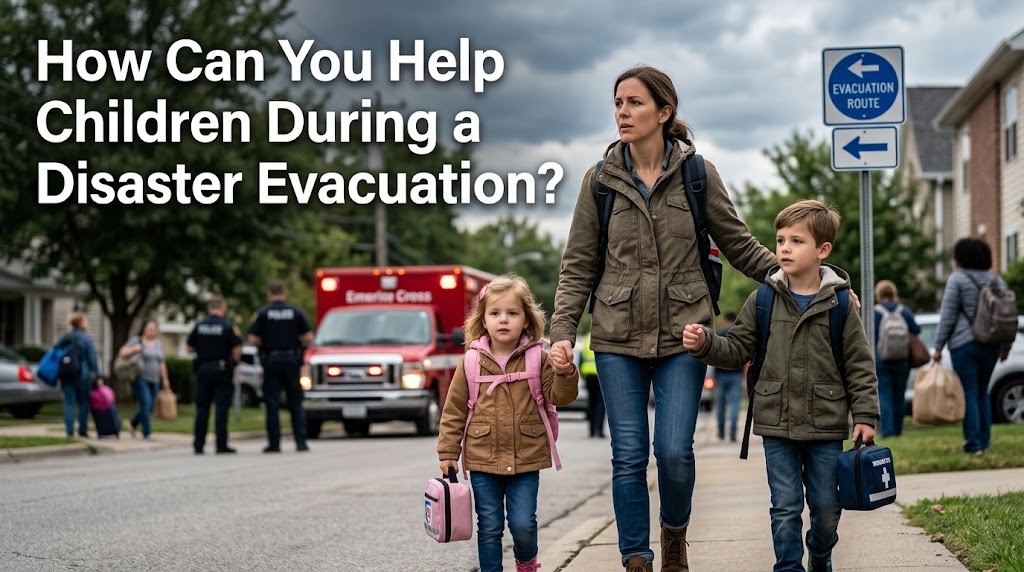
Children may need additional support during a disaster evacuation because they may not fully understand what is happening or how to respond to danger. A sudden emergency can make children feel confused, frightened, or separated from people they trust. Adults should therefore provide clear guidance while helping children move toward a safe location. With proper preparation and calm communication, children can be better prepared to respond during an emergency.
EXPLAIN DISASTER SAFETY BEFORE AN EMERGENCY
Children should learn basic disaster safety rules before an emergency happens. Adults can explain possible disasters in simple language without giving unnecessary frightening details. They can teach children where to go, who to stay with, and which adults they should listen to during an evacuation.
Families and schools can also practice simple evacuation drills. During these practices, children can learn where the exits, evacuation routes, and assembly points are located. Regular practice can make emergency procedures more familiar and help children understand what they should do when a real disaster occurs.
STAY CALM AND GIVE SIMPLE INSTRUCTIONS
During an emergency, children may become scared when they see adults or other people panicking. Adults should try to remain calm and speak clearly so children can understand the situation. Instructions should be short and direct, such as asking children to stay together, follow an adult, or move toward a designated safe area.
Avoid giving children too many instructions at the same time. Focus on the most important action first and provide additional guidance as the situation changes. A calm adult can help children stay focused and reduce confusion during the evacuation.
KEEP CHILDREN WITH TRUSTED ADULTS
Children should stay with a parent, teacher, caregiver, or another trusted adult whenever possible. Adults should know which children are in their care and make reasonable efforts to keep the group together. Schools and childcare facilities should have procedures for accounting for children during emergencies.
If a child becomes separated from their group, they should be taught to seek help from designated emergency personnel or another trusted adult. Children should also know important information such as their name and how to identify their caregiver. A clear supervision plan can reduce the risk of children becoming separated during evacuation.
HELP CHILDREN FOLLOW THE EVACUATION ROUTE
Adults should guide children along the designated evacuation route and explain where they are going. Children should not be encouraged to take shortcuts or move away from the group. Depending on the disaster, certain roads, buildings, or outdoor areas may become unsafe.
Adults should also pay attention to obstacles that may be difficult for children to navigate. If a route becomes blocked, follow official instructions and use another safe route when directed. Children should never be sent into dangerous areas to find an alternative path on their own.
PROVIDE EXTRA SUPPORT FOR CHILDREN WITH SPECIAL NEEDS
Some children may require additional assistance during evacuation because of mobility, communication, sensory, or other needs. Families and schools should consider these needs when creating an emergency plan. Necessary equipment, medication, communication aids, or other essential items should be included in the child's emergency preparation when appropriate.
Adults should understand how to communicate with and assist each child before an emergency occurs. The plan should identify who is responsible for providing support and what safe evacuation methods are available. Individual preparation can make evacuation more accessible for children who need additional assistance.
REASSURE CHILDREN AFTER EVACUATION
After reaching a safe location, children may still feel worried or confused. Adults should reassure them that they are in a safer place and explain what will happen next using simple language. Keep children with trusted adults and continue following instructions from emergency personnel.
Avoid sending children back into dangerous areas to collect belongings. Continue monitoring official information and wait for further instructions before returning home or moving elsewhere. Emotional reassurance and clear information can help children feel more secure after an emergency.
CONCLUSION
Helping children during a disaster evacuation requires preparation, calm communication, close supervision, and appropriate support. Adults should teach children basic safety rules, practice evacuation procedures, and make sure they know who to follow during an emergency. During an actual evacuation, children should remain with trusted adults and use designated safe routes. Children with additional needs may require an individual evacuation plan and extra assistance. By preparing before a disaster occurs, families and communities can help children evacuate more safely and confidently.
Tentang Penulis
Gusti Ayu Tita P
Penulis — Universitas STEKOM
Penulis aktif yang berfokus pada isu-isu akademik, teknologi pendidikan, dan pengembangan sumber daya manusia di lingkungan kampus.