
How Can You Help Elderly People During Disaster Evacuation?
Gusti Ayu Tita P
19 September 2026
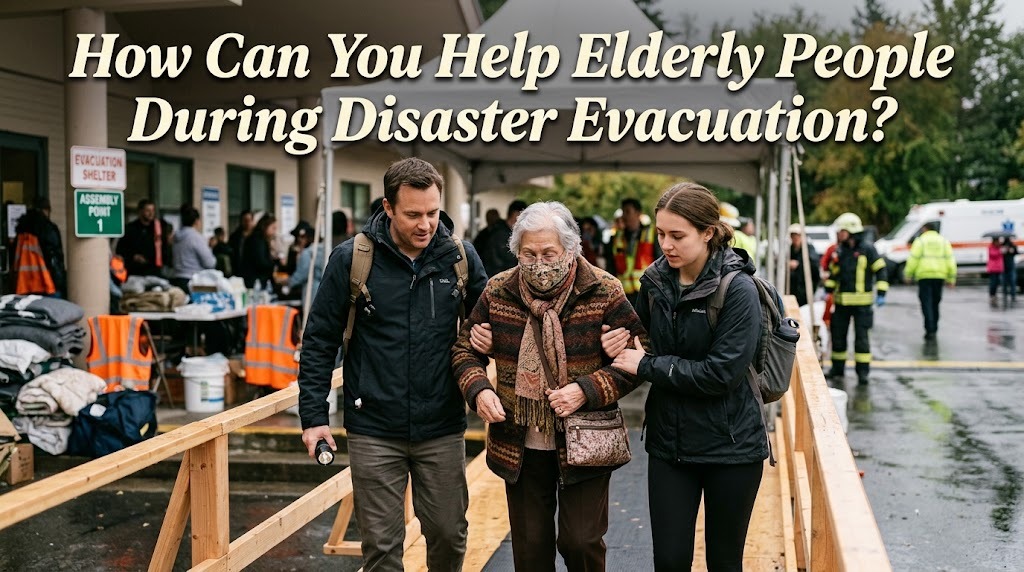
Disaster evacuation can be challenging for elderly people because they may need more time, physical assistance, or special medical supplies. Difficulties with walking, hearing, seeing, or remembering instructions can make an emergency more complicated. For this reason, elderly people should be included in disaster preparedness plans before an emergency happens. Family members, neighbors, caregivers, and communities can work together to help them evacuate safely.
Good preparation can reduce confusion and make evacuation more organized. Elderly people should know where they need to go, who will assist them, and what emergency supplies they need to bring. During an actual emergency, helpers should remain calm and communicate clearly. Most importantly, assistance should be provided without putting either the elderly person or the helper in unnecessary danger.
PREPARE AN EVACUATION PLAN IN ADVANCE
The first step is to create a clear evacuation plan before a disaster occurs. The plan should identify safe evacuation routes, nearby evacuation centers, and alternative routes if the main path becomes blocked. Family members or caregivers should also decide who will assist the elderly person during evacuation.
The plan should be explained in a way that is simple and easy to remember. If possible, practice the evacuation plan so the elderly person becomes familiar with the process. Regular practice can help reduce confusion and make it easier to respond when an emergency warning is issued.
PREPARE MEDICINES AND ESSENTIAL SUPPLIES
Many elderly people may need regular medicines or medical equipment, so these should be prepared before an emergency occurs. An emergency bag can contain necessary medicines, drinking water, food, basic hygiene products, identification documents, and important medical information. Supplies should be stored somewhere that is easy to reach.
The emergency bag should be checked regularly to make sure medicines and other essential items are still usable. If the person uses mobility equipment or other necessary devices, make sure they are ready and accessible. However, collecting supplies should never delay an urgent evacuation when authorities instruct people to leave immediately.
COMMUNICATE CLEARLY AND CALMLY
During an emergency, elderly people may have difficulty hearing or understanding information because of stress or communication barriers. Helpers should give short, clear, and calm instructions. Explain what is happening and where the person needs to go without creating unnecessary fear.
If the person has hearing or vision difficulties, adjust communication accordingly. Make sure they understand the instructions before moving whenever the situation allows. Patience is important, especially if the elderly person needs more time to process information or move safely.
PROVIDE SAFE PHYSICAL ASSISTANCE
Some elderly people may need help walking, using stairs, or moving through crowded areas. Before assisting them, identify the safest way to provide support based on their abilities and any mobility equipment they use. Avoid rushing because sudden movement can increase the risk of falling.
If a person uses a cane, walker, wheelchair, or other mobility aid, make sure it is available during evacuation whenever possible. Helpers should follow emergency personnel instructions if special evacuation procedures are required. If the situation is too dangerous to manage independently, seek assistance from trained emergency workers.
CHOOSE A SAFE EVACUATION ROUTE
The safest evacuation route for an elderly person may require additional consideration. Routes with fewer obstacles, safer surfaces, and easier access may be more suitable when available. Stairs, narrow pathways, steep slopes, and crowded areas can be especially difficult for people with limited mobility.
However, the route should always follow official evacuation instructions. A familiar route may become unsafe because of flooding, fire, falling debris, or other hazards. If authorities change the evacuation route, follow their directions rather than using an unsafe familiar path.
KEEP FAMILY MEMBERS CONNECTED
Families should establish a communication plan before a disaster occurs. Everyone should know where to meet if they become separated and which person is responsible for helping the elderly family member. Important telephone numbers should also be available in both digital and written form.
During evacuation, regularly check that the elderly person is still with the group. If communication networks are available, provide updates to other family members. If someone becomes separated, contact emergency personnel rather than sending an untrained person back into a dangerous area.
HELP AT THE EVACUATION CENTER
After reaching an evacuation center, elderly people may need continued assistance. Help them find a safe and suitable place to rest, access drinking water, and obtain necessary medical support if required. Keep important medicines and personal belongings organized so they are easy to find.
Tell emergency workers about any important needs or difficulties. Evacuation centers may have procedures for providing additional support to people who require assistance. Cooperation with emergency personnel can help ensure that elderly evacuees receive appropriate support while they remain in the safe area.
CONCLUSION
Helping elderly people during disaster evacuation requires preparation, patience, clear communication, and appropriate assistance. Families should prepare evacuation routes, emergency supplies, medicines, mobility equipment, and communication plans before a disaster occurs. During evacuation, helpers should follow official instructions and avoid putting themselves or the elderly person in unnecessary danger. With proper planning and community support, elderly people can be included more safely and effectively in disaster evacuation efforts.
Tentang Penulis
Gusti Ayu Tita P
Penulis — Universitas STEKOM
Penulis aktif yang berfokus pada isu-isu akademik, teknologi pendidikan, dan pengembangan sumber daya manusia di lingkungan kampus.















