How Can You Help Someone Experiencing Psychological Trauma?
Gusti Ayu Tita P
21 September 2026
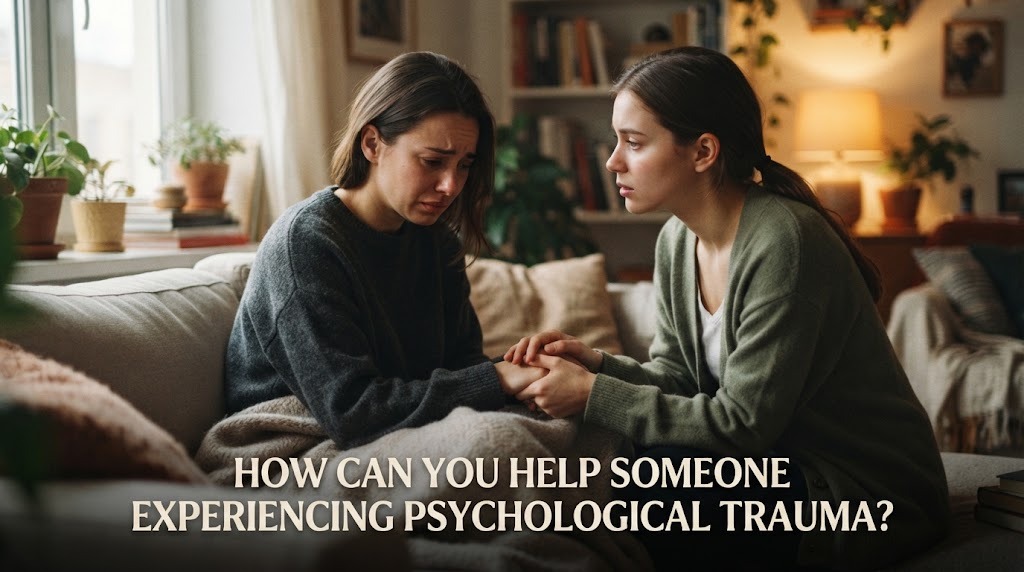
Psychological trauma can affect how a person feels, thinks, behaves, and interacts with others after a frightening or deeply distressing experience. Someone experiencing trauma may feel anxious, overwhelmed, angry, emotionally numb, or unsafe even after the event has ended. Some people recover naturally with time and support, while others may develop symptoms that last longer and interfere with daily life. The support of family members, friends, and trusted people can make an important difference during the recovery process. Knowing how to help someone experiencing psychological trauma can make it easier to provide support without creating additional pressure.
LISTEN WITHOUT JUDGING
One of the most helpful things you can do is listen when the person wants to talk. Give them space to express their feelings without immediately trying to solve the problem. Avoid blaming them or questioning why they reacted in a particular way. You should also avoid forcing them to describe every detail of the traumatic experience. A simple statement such as “I am here if you want to talk” can communicate care and emotional support.
Listening does not mean that you need to have all the answers. Sometimes, being present and allowing someone to feel heard can be more useful than giving advice. Let the person decide how much they want to share and when they feel ready to talk. Respecting their boundaries can help create a greater sense of safety and trust.
HELP CREATE A SENSE OF SAFETY
A person experiencing trauma may feel unsafe even when there is no immediate danger. Loud noises, certain places, people, smells, or situations may remind them of what happened and trigger a strong reaction. You can help by creating a calm and predictable environment whenever possible. Speak in a calm manner and avoid actions that could make the person feel threatened or pressured.
Practical support can also help someone feel more stable. You might help them with everyday activities such as preparing food, completing simple tasks, or maintaining a regular schedule. The goal is not to control their recovery but to make daily life feel more manageable. A supportive environment can help the person gradually rebuild a sense of safety.
RESPECT THEIR PERSONAL BOUNDARIES
Trauma can affect a person's comfort with physical contact, conversations, social activities, and certain environments. Therefore, it is important to ask before giving physical comfort such as a hug. Do not assume that someone wants to discuss their experience simply because you are concerned about them. Respecting their decision to remain quiet can be just as important as encouraging them to communicate.
Avoid pressuring the person to “move on” or “forget about it.” Recovery does not happen according to a fixed schedule, and people respond to traumatic experiences differently. Giving them control over personal decisions can help restore a sense of independence and confidence.
HELP THEM MAINTAIN A HEALTHY ROUTINE
Trauma can disrupt sleep, eating habits, work, education, and other daily activities. A trusted person can provide practical assistance by helping maintain a simple and realistic routine. This may include encouraging regular meals, adequate sleep, light physical activity, or time spent doing activities the person normally enjoys. These steps cannot remove the trauma, but they can support general well-being.
It is important to offer help without turning it into another source of pressure. Instead of demanding that the person immediately return to their previous routine, start with small and manageable activities. NIMH recommends maintaining routines and setting realistic goals when coping with traumatic experiences. (nimh.nih.gov)
ENCOURAGE PROFESSIONAL HELP WHEN NEEDED
Some trauma-related reactions gradually improve, but professional help may be necessary when symptoms persist or interfere with everyday life. Signs can include severe anxiety, recurring nightmares, intrusive memories, avoidance, sleep problems, social withdrawal, or difficulty functioning at work or school. You can gently suggest speaking with a psychologist, psychiatrist, doctor, or another qualified mental health professional. Avoid presenting professional help as something the person should be ashamed of.
If the person agrees, you can offer practical assistance such as helping them find a suitable professional or accompanying them to an appointment. NIMH states that PTSD can be treated with psychotherapy, medication, or a combination of treatments depending on the person's needs. Evidence-based psychological treatments include trauma-focused approaches and other therapies designed to help people manage trauma-related symptoms. (nimh.nih.gov)
AVOID SAYING THINGS THAT MINIMIZE THEIR EXPERIENCE
Well-intentioned comments can sometimes make a person feel misunderstood. Statements such as “Just forget about it,” “You need to be stronger,” or “Other people have experienced worse things” may minimize their feelings. Comparing one person's trauma with another person's experience is generally not helpful. Every person can respond differently to a traumatic event.
Instead, acknowledge that what they are experiencing may be difficult. You can tell them that their feelings matter and that they do not have to handle everything alone. A calm and empathetic response can help strengthen trust and make it easier for them to seek support when needed.
DO NOT FORCE THEM TO FACE TRIGGERS
People experiencing trauma may avoid things that remind them of the event. While avoidance can become part of PTSD, forcing someone to suddenly confront a traumatic reminder is not an appropriate way to provide informal support. Exposure-based approaches, when appropriate, are structured therapeutic techniques that should be guided by a qualified professional. Family and friends should focus on providing safety and encouragement rather than attempting to conduct therapy themselves.
Instead of pushing the person into uncomfortable situations, ask what kind of support they need. If triggers are significantly affecting their daily life, encourage them to discuss these experiences with a mental health professional. Appropriate treatment can help people address traumatic memories and triggers in a controlled and supportive setting. (who.int)
ENCOURAGE HEALTHY COPING STRATEGIES
Healthy coping strategies can help a person manage stress while recovering from trauma. Depending on their preferences, these may include walking, exercising, practicing relaxation techniques, maintaining sleep routines, or spending time with trusted people. You can participate in some activities with them if they feel comfortable. However, avoid making them feel guilty if they are not ready to participate.
It is also important not to encourage alcohol or illegal drugs as a way to escape painful memories or emotions. These substances can create additional problems and may worsen mental health symptoms. WHO and NIMH recommend healthy coping strategies and avoiding alcohol or drugs as a way of managing trauma-related symptoms. (who.int)
PAY ATTENTION TO WARNING SIGNS
Certain signs require more serious attention, especially when the person's ability to function changes significantly. These signs may include extreme emotional distress, severe isolation, inability to perform basic daily activities, or increasing reliance on substances. Thoughts about suicide or self-harm are particularly serious warning signs that require immediate attention. The person should not be left to handle an immediate safety crisis alone.
If there is an immediate risk of self-harm, suicide, or harm to another person, seek emergency or crisis support in the person's local area as soon as possible. Stay with the person if it is safe to do so and involve a trusted person or appropriate professional service. NIMH identifies suicidal thoughts and other severe symptoms as reasons to seek professional help promptly. (nimh.nih.gov)
TAKE CARE OF YOURSELF AS A SUPPORTER
Supporting someone with psychological trauma can also be emotionally demanding. You may feel worried, frustrated, helpless, or exhausted while trying to help someone you care about. Remember that you are a supporter, not the person's therapist or sole source of recovery. Set healthy boundaries and recognize when professional assistance is needed.
Taking care of your own sleep, emotional health, social connections, and daily responsibilities can help you remain supportive over time. If supporting someone becomes overwhelming, consider talking to a qualified professional or another trusted person. Helping someone does not require sacrificing your own well-being. A healthy support system works best when both the person experiencing trauma and the people supporting them have appropriate care.
CONCLUSION
Helping someone experiencing psychological trauma begins with patience, empathy, and respect. Listening without judgment, creating a sense of safety, respecting personal boundaries, and supporting healthy routines can provide meaningful assistance. Friends and family should avoid forcing someone to talk about the trauma or confront triggers without professional guidance. When symptoms persist, become severe, or interfere with daily life, encouraging professional mental health support is an important step. By offering consistent and respectful support, you can help someone feel less alone while they gradually work toward recovery.
Tentang Penulis
Gusti Ayu Tita P
Penulis — Universitas STEKOM
Penulis aktif yang berfokus pada isu-isu akademik, teknologi pendidikan, dan pengembangan sumber daya manusia di lingkungan kampus.