
How Can You Rebuild a Sense of Safety After Trauma?
Gusti Ayu Tita P
21 September 2026
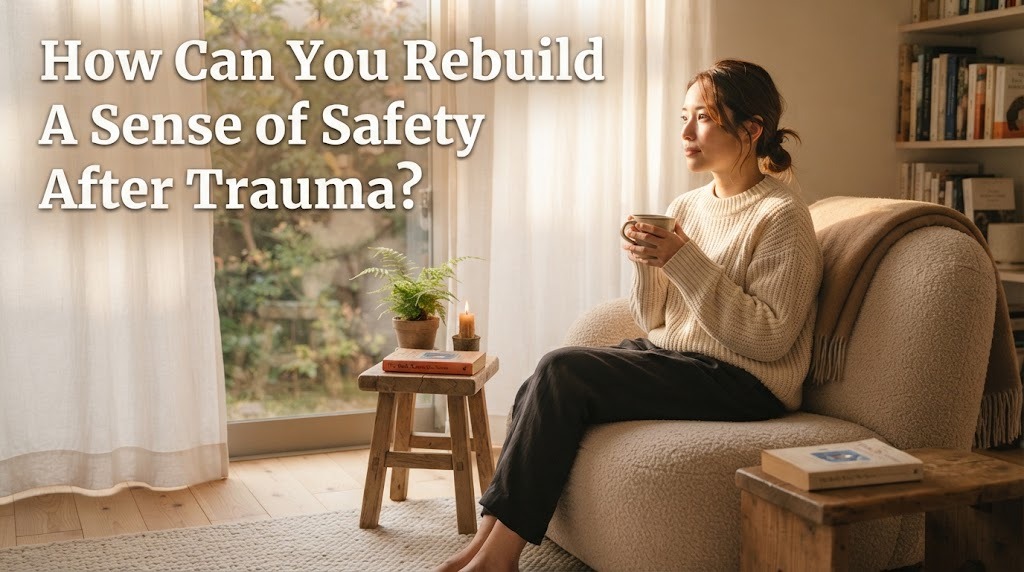
Experiencing trauma can change the way a person views safety, trust, and everyday situations. After a frightening or overwhelming event, even ordinary places or activities may sometimes feel threatening. Rebuilding a sense of safety is an important part of psychological trauma recovery, but it usually takes time. With supportive relationships, healthy routines, coping strategies, and professional help when needed, a person can gradually feel more secure again.
UNDERSTAND YOUR TRAUMA RESPONSE
The first step toward rebuilding safety is understanding that strong reactions after trauma can be a normal response to an overwhelming experience. A person may feel anxious, easily startled, tense, emotionally numb, or uncomfortable in situations that remind them of what happened. These reactions do not necessarily mean that something is wrong with the person's character or ability to cope. Understanding the connection between the experience and the reaction can reduce confusion and self-blame.
It is also important to remember that everyone responds to trauma differently. Some people may recover relatively quickly, while others may experience distress for a longer period. There is no single timeline that determines when someone should feel better. Giving yourself time can be an important part of the healing process.
CREATE A SAFE AND STABLE ENVIRONMENT
A stable environment can help the mind and body gradually recognize that the immediate danger has passed. Keeping a regular routine for sleeping, eating, working, studying, and resting can provide a sense of predictability. Simple changes, such as spending time in a comfortable room or staying near supportive people, may also help. The goal is to create surroundings where you can feel physically and emotionally secure.
If possible, reduce unnecessary exposure to situations that make you feel unsafe. However, avoiding everything connected to the trauma may sometimes reinforce fear over time. A balance between immediate safety and gradual recovery can be helpful. If certain situations remain extremely distressing, a mental health professional can provide guidance.
IDENTIFY YOUR TRAUMA TRIGGERS
A trigger is something that reminds a person of a traumatic experience and causes an emotional or physical reaction. Triggers can include sounds, smells, locations, dates, images, conversations, or interactions with certain people. Identifying common triggers can help you understand why a sudden feeling of fear or anxiety appears. Keeping a simple journal may help you recognize patterns without judging your reactions.
Once triggers are identified, you can prepare healthy ways to respond to them. For example, you might move to a quieter environment, use a grounding technique, or contact someone you trust. Recognizing a trigger does not mean you must avoid it forever. With appropriate support, some people can gradually become less reactive to reminders of the past.
USE GROUNDING AND CALMING TECHNIQUES
Grounding techniques can help bring attention back to the present when distressing memories or strong emotions appear. One simple approach is to notice things you can see, hear, touch, smell, or taste around you. Slow and controlled breathing may also help reduce physical tension for some people. These techniques are intended to help you reconnect with the present rather than erase the traumatic memory.
Different strategies work differently for different people. Some may find quiet activities helpful, while others may benefit from walking, stretching, writing, or listening to calming sounds. It is useful to practice coping techniques during relatively calm moments so they become more familiar. If a technique makes you feel more distressed, stop and consider discussing it with a qualified professional.
REBUILD TRUST GRADUALLY
Trauma can sometimes make it difficult to trust other people, especially when the experience involved betrayal, violence, abuse, or someone the person previously trusted. Rebuilding trust does not require immediately becoming comfortable with everyone. Instead, it can begin with small interactions with people who consistently respect your boundaries. Positive experiences can gradually provide evidence that not every relationship is dangerous.
Setting clear boundaries is also an important part of rebuilding trust. You have the right to decide what you are comfortable discussing, who you spend time with, and when you need space. Trusted people should respect these boundaries rather than pressure you. Over time, healthy relationships can contribute to a stronger sense of emotional safety.
REGAIN A SENSE OF CONTROL
Trauma can leave a person feeling powerless, particularly when the original event happened unexpectedly or involved a loss of control. Making small decisions in everyday life can help restore a feeling of personal control. You can begin by choosing manageable goals, planning your daily activities, or deciding what situations you are ready to face. These small choices can remind you that your present circumstances are different from the past.
It is important not to pressure yourself to do everything at once. Recovery can become overwhelming if expectations are too high. Breaking larger tasks into smaller steps can make progress feel more achievable. Each successful step can strengthen confidence in your ability to handle everyday situations.
TAKE CARE OF YOUR PHYSICAL HEALTH
Physical and emotional well-being are closely connected. Regular sleep, balanced meals, physical activity, and sufficient rest can support general health during trauma recovery. Excessive alcohol or other unhealthy coping behaviors may provide temporary relief but can create additional problems over time. Developing healthier routines can provide structure during emotionally difficult periods.
Self-care does not mean ignoring difficult emotions. It means giving your body and mind appropriate care while you work through them. Simple activities such as taking a walk, maintaining regular meals, or spending time outdoors can become part of a stable routine. Choose activities that feel manageable rather than treating self-care as another source of pressure.
SEEK SUPPORT FROM TRUSTED PEOPLE
Recovering from trauma can feel isolating, but support from trusted people can make the process easier. A friend, family member, partner, teacher, colleague, or another trusted person may provide a listening ear and practical assistance. You do not have to explain every detail of the traumatic experience to receive support. Simply telling someone that you are having a difficult time can be a useful first step.
Good support should make you feel respected rather than judged or pressured. People around you should understand that recovery takes time and that boundaries are important. If your current support network is limited, professional or community-based support may provide additional resources. The right kind of support can help you feel less alone while rebuilding your sense of safety.
CONSIDER PROFESSIONAL HELP
A mental health professional can help when trauma-related reactions remain intense or interfere with everyday life. Symptoms such as persistent nightmares, severe anxiety, intrusive memories, avoidance, emotional numbness, or constant alertness may require professional assessment. Evidence-based therapies can help people process traumatic experiences and develop healthier ways to manage distress. Treatment should be adapted to the individual's needs and circumstances.
Seeking professional help does not mean that you have failed to cope. Psychological recovery can be complicated, and some people need specialized support to move forward. A qualified professional can also help distinguish normal reactions after trauma from symptoms that may require further treatment. If someone is in immediate danger or has thoughts of harming themselves or others, urgent emergency or professional assistance should be sought.
CONCLUSION
Rebuilding a sense of safety after trauma is a gradual process rather than something that happens overnight. Understanding trauma responses, creating a stable environment, identifying triggers, and practicing healthy coping techniques can help a person feel more secure. Rebuilding trust and regaining control can also restore confidence in everyday life. Support from trusted people and qualified mental health professionals can be valuable when recovery becomes difficult. Most importantly, healing does not require forgetting the past, but learning that the present can become safer and more manageable.
Tentang Penulis
Gusti Ayu Tita P
Penulis — Universitas STEKOM
Penulis aktif yang berfokus pada isu-isu akademik, teknologi pendidikan, dan pengembangan sumber daya manusia di lingkungan kampus.















