
How Can You Recognize the Signs of Inner Conflict?
Gusti Ayu Tita P
21 September 2026
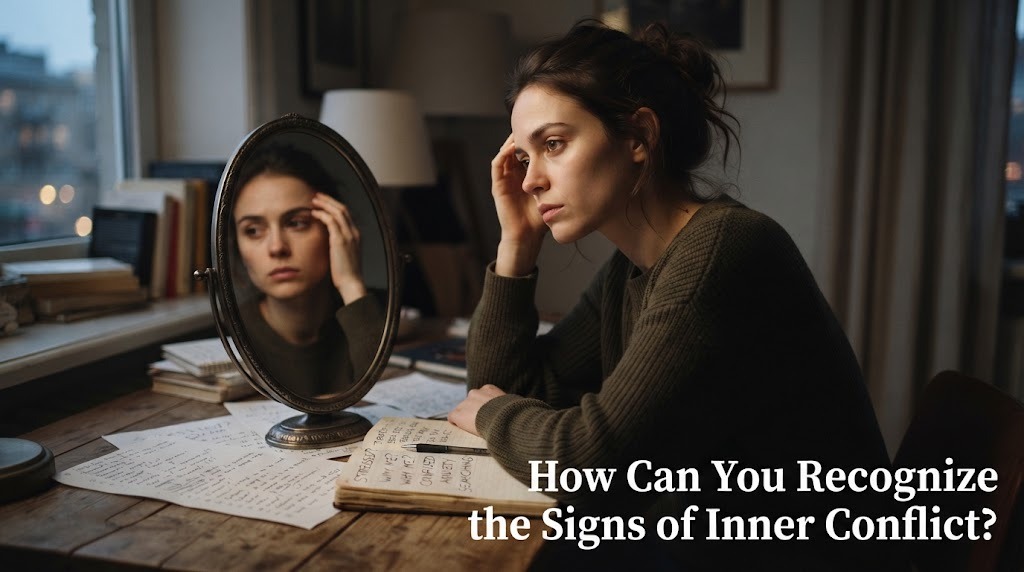
Inner conflict can happen when a person feels divided between different thoughts, emotions, values, or desires. Sometimes, the conflict is obvious, especially when someone must make an important decision. However, it can also appear through subtle changes in mood, behavior, and daily habits. A person may feel restless or confused without immediately realizing that they are experiencing internal emotional tension. Recognizing the signs early can help people understand what is happening and respond in a healthier way.
WHAT DOES INNER CONFLICT FEEL LIKE?
One of the most common signs of inner conflict is feeling mentally divided about a situation. A person may want to take one action while another part of them strongly prefers something different. This can create uncertainty because both choices may seem important. The person may repeatedly question what they should do even after considering the available options.
Inner conflict can also create a feeling of being emotionally stuck. Someone may understand what they need to do but struggle to act because their emotions disagree with their reasoning. This does not necessarily mean that the person is incapable of making decisions. Instead, it may indicate competing thoughts and emotions that need to be understood before taking action.
HOW DOES OVERTHINKING REVEAL INNER CONFLICT?
Overthinking is one of the most noticeable signs of unresolved inner conflict. A person may repeatedly analyze the same situation, imagine different outcomes, or reconsider a decision that has already been discussed. The mind may continue searching for complete certainty even when no additional information is available. This can make a relatively simple problem feel increasingly complicated.
Another sign is repeatedly asking questions such as whether a different choice would have produced a better result. This type of repetitive thinking can consume mental energy without creating a practical solution. Recognizing repetitive thought patterns can help a person understand that they may need to step away from constant analysis. Writing down the main concern and identifying what can actually be controlled may provide greater clarity.
CAN MOOD CHANGES BE A SIGN OF INNER CONFLICT?
Changes in mood and emotional responses can sometimes indicate that a person is struggling internally. Someone may become more frustrated, worried, irritable, or emotionally sensitive than usual. They might also feel relieved one moment and uncertain the next because different thoughts continue competing with each other. These emotional changes can have many causes, so they should not automatically be attributed to inner conflict.
The important factor is whether the emotional changes appear connected to a particular unresolved issue. For example, someone may consistently feel tense whenever they think about a specific decision or relationship. Paying attention to these patterns can increase emotional awareness. Understanding the connection between situations, thoughts, and feelings can make the underlying conflict easier to identify.
WHY CAN INDECISION SIGNAL INNER CONFLICT?
Indecision can occur when a person sees valid reasons for choosing different options. They may create long lists of advantages and disadvantages but still feel unable to choose. Sometimes, the problem is not a lack of information but a fear of losing something valuable by choosing one option. This can make the decision feel emotionally heavier than its practical consequences suggest.
Indecision may also involve repeatedly changing one's mind. A person may feel confident about a choice and then become uncertain after thinking about another possibility. When this pattern continues, it can create frustration and reduce decision-making confidence. Identifying the values and fears behind each option may be more useful than simply comparing the choices repeatedly.
CAN AVOIDANCE BE A SIGN OF INNER CONFLICT?
Yes, avoidance can sometimes indicate unresolved internal tension. A person may postpone an important conversation, delay making a decision, or avoid situations that remind them of an uncomfortable problem. Avoidance can provide temporary relief because it removes the immediate emotional pressure. However, the underlying conflict may remain unresolved.
For example, someone who is uncertain about a career decision may continually delay researching available options. Someone experiencing relationship concerns may avoid discussing their feelings because they fear an uncomfortable response. Recognizing repeated avoidance can help identify what the person is actually worried about. Facing a problem gradually and safely can often be more productive than avoiding it indefinitely.
HOW CAN INNER CONFLICT AFFECT DAILY BEHAVIOR?
Inner conflict can sometimes influence daily behavior and concentration. A person may find it harder to focus on work or study because their attention repeatedly returns to an unresolved issue. They may also lose motivation for activities that normally feel enjoyable. These changes can vary between individuals and may have many possible explanations.
Another possible sign is becoming unusually withdrawn or less communicative. Someone may spend more time alone because they need to process their thoughts or do not know how to explain their feelings. If these changes persist and begin interfering with normal responsibilities or relationships, they deserve attention. Changes in everyday functioning can provide an important signal that a person may need healthier coping strategies or additional support.
HOW CAN YOU RESPOND AFTER RECOGNIZING INNER CONFLICT?
Once you recognize possible signs of inner conflict, start by identifying the issue that is creating the most tension. Write down the different thoughts, emotions, values, or expectations involved. Consider which parts of the situation are facts and which are assumptions or fears. This can make an unclear emotional problem more concrete and easier to understand.
You can also talk with a trusted person who can listen without immediately judging or taking control of the situation. If the conflict continues for a long time or significantly affects daily functioning, relationships, or emotional well-being, speaking with a qualified mental health professional may be appropriate. The goal is not always to eliminate every conflicting thought. Instead, it is to understand the conflict and develop a healthier way of responding to it.
CONCLUSION
Recognizing inner conflict requires paying attention to patterns in thoughts, emotions, and behavior. Overthinking, indecision, mood changes, avoidance, and difficulty concentrating can sometimes indicate that a person is struggling with competing internal priorities. These signs do not automatically indicate a serious problem, but persistent or disruptive changes deserve attention. Through self-awareness, emotional reflection, healthy communication, and appropriate support, people can better understand the source of their internal tension. Recognizing inner conflict early can make it easier to respond thoughtfully instead of allowing unresolved thoughts to control daily life.
Tentang Penulis
Gusti Ayu Tita P
Penulis — Universitas STEKOM
Penulis aktif yang berfokus pada isu-isu akademik, teknologi pendidikan, dan pengembangan sumber daya manusia di lingkungan kampus.















