How Does Inner Conflict Affect Relationships with Other People?
Gusti Ayu Tita P
21 September 2026
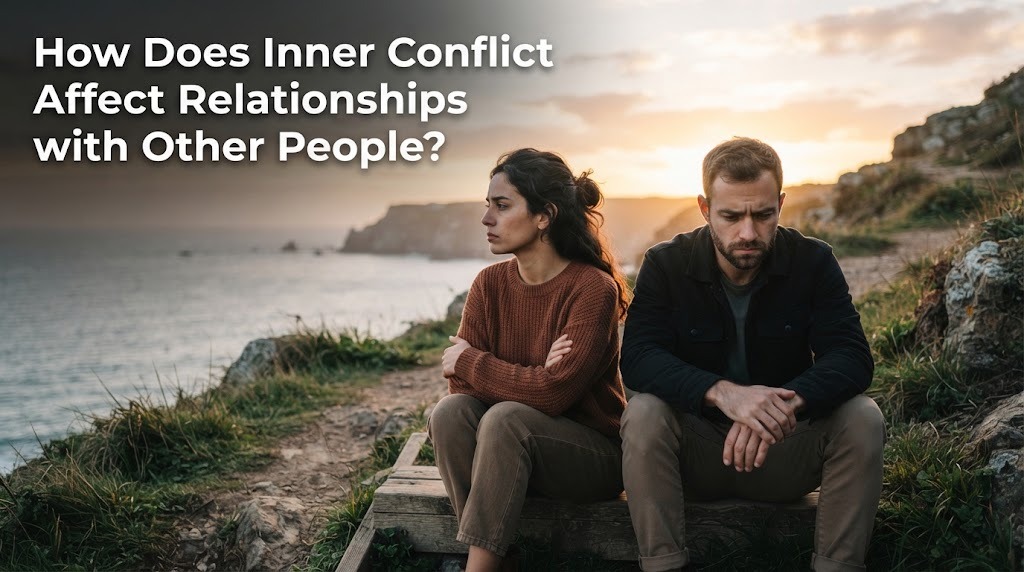
Inner conflict can affect the way people communicate, behave, and respond to those around them. When someone is struggling with opposing thoughts or emotions, they may find it difficult to express what they truly feel. This can create misunderstandings, emotional distance, and communication problems in relationships. Inner conflict can occur in friendships, families, romantic relationships, and professional environments. Understanding its effects can help people maintain healthier and more respectful relationships.
HOW DOES INNER CONFLICT CHANGE COMMUNICATION?
One of the most noticeable effects of inner conflict is a change in communication. A person may become quieter because they are unsure how to express their thoughts or afraid of creating an argument. In other situations, emotional pressure may cause someone to respond more strongly than they normally would. These changes can make other people confused about what is actually happening.
When communication becomes unclear, small problems can develop into larger misunderstandings. Someone may assume that another person is angry or uninterested when the real problem is internal emotional tension. Being honest about feelings in a calm and appropriate way can reduce this confusion. Clear communication gives others an opportunity to understand the situation instead of making assumptions.
CAN INNER CONFLICT CREATE EMOTIONAL DISTANCE?
Yes, unresolved inner conflict can contribute to emotional distance. Someone who feels confused or emotionally overwhelmed may withdraw from conversations, social activities, or people they normally enjoy spending time with. They may need time to process their thoughts, but prolonged withdrawal can make others feel ignored or rejected.
Emotional distance can become more difficult when neither person understands its cause. The individual experiencing inner conflict may believe that staying silent will prevent problems, while the other person may interpret the silence differently. Open and respectful communication can help explain the need for personal space without unnecessarily damaging the relationship.
WHY CAN INNER CONFLICT CAUSE MISUNDERSTANDINGS?
Inner conflict can make a person behave differently from what they actually intend. For example, someone may care deeply about a friend but avoid responding because they are dealing with personal concerns. The friend might interpret this behavior as a lack of interest or concern. This difference between intention and behavior can create unnecessary misunderstandings.
People cannot always know what is happening inside someone else's mind. Therefore, assumptions can easily develop when communication is limited. Explaining feelings and circumstances can help prevent others from creating their own interpretations. At the same time, listening carefully to another person's perspective can reveal problems that may not have been obvious before.
HOW DOES INNER CONFLICT AFFECT TRUST?
Trust can be affected when inner conflict repeatedly leads to inconsistent behavior. A person may agree to something and later change their mind because their thoughts and feelings remain uncertain. If this happens frequently without explanation, others may find it difficult to understand what they can expect from the relationship.
However, experiencing inner conflict does not automatically mean that someone is dishonest or unreliable. People can experience genuine uncertainty while trying to make difficult choices. Being transparent about uncertainty can help maintain trust. Honesty, consistency, and responsible communication are important when personal struggles begin to influence interactions with others.
CAN INNER CONFLICT LEAD TO ARGUMENTS?
Inner conflict can sometimes contribute to relationship conflict because emotional tension may affect the way people react to disagreements. Someone who is already stressed may have less patience and may interpret ordinary comments more negatively. This does not mean that inner conflict directly causes every argument, but it can make existing communication difficulties harder to manage.
Taking a pause before responding can help prevent unnecessary escalation. A person can identify whether they are reacting to the current situation or to emotions connected with another unresolved issue. Emotional awareness makes it easier to respond thoughtfully instead of reacting automatically. When necessary, discussing the issue after both people have had time to calm down can lead to a more productive conversation.
HOW CAN PEOPLE PROTECT THEIR RELATIONSHIPS DURING INNER CONFLICT?
The first step is recognizing that personal struggles can affect interactions with others. People can communicate that they are dealing with something internally without sharing every private detail. Saying that they need some time to think can be more helpful than suddenly becoming distant. Healthy boundaries allow people to manage personal emotions while still showing consideration for others.
It is also important to maintain basic communication and avoid making major relationship decisions while experiencing intense emotional confusion. Talking with a trusted person can provide another perspective and help organize complicated thoughts. If inner conflict becomes persistent and significantly affects relationships or daily functioning, seeking guidance from a qualified mental health professional may also be appropriate.
CONCLUSION
Inner conflict can affect relationships by changing communication, creating emotional distance, increasing misunderstandings, and influencing reactions during disagreements. These effects do not necessarily mean that a relationship is unhealthy or that the person experiencing conflict does not care about others. With honest communication, emotional awareness, healthy boundaries, and active listening, many difficulties can be managed more effectively. Recognizing how internal struggles influence external behavior is an important step toward building stronger relationships. When people understand both their own emotions and the perspectives of others, they can communicate with greater patience and clarity.
Tentang Penulis
Gusti Ayu Tita P
Penulis — Universitas STEKOM
Penulis aktif yang berfokus pada isu-isu akademik, teknologi pendidikan, dan pengembangan sumber daya manusia di lingkungan kampus.