
The Role of Parents in Successful Homeschooling
Gusti Ayu Tita P
21 September 2026
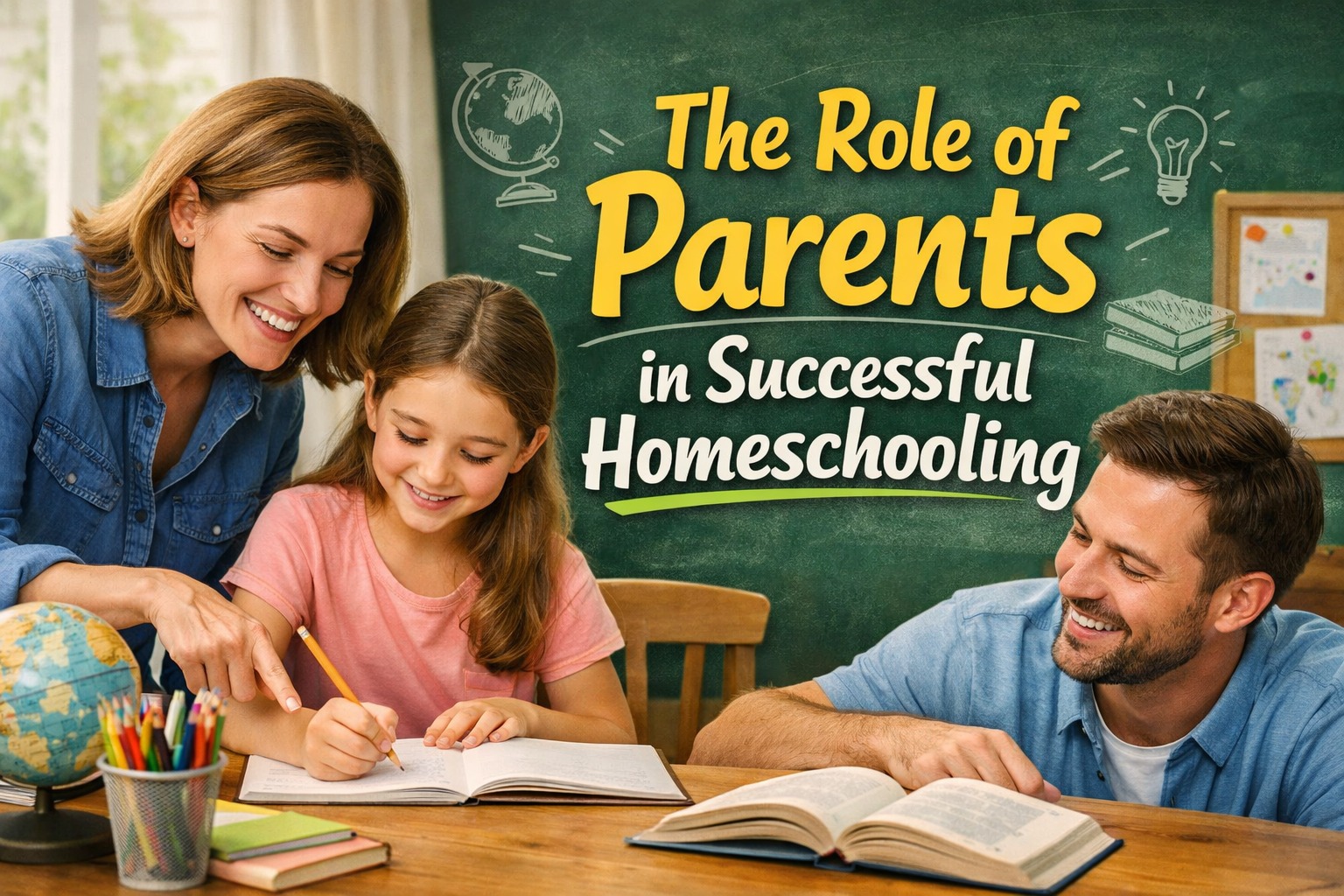
Homeschooling has become an increasingly popular educational choice for families seeking a more flexible and personalized learning experience. While curriculum and learning materials are important, the true foundation of successful homeschooling often lies in the involvement of parents. Parents play a central role in guiding, supporting, and motivating children throughout their educational journey. Their participation helps create an environment where children can learn comfortably and confidently. Understanding the responsibilities of parents in homeschooling is essential for achieving long-term academic and personal success.
BUILDING A POSITIVE LEARNING ENVIRONMENT
One of the most important responsibilities of parents in homeschooling is creating a positive learning environment at home. A comfortable and organized study area helps children stay focused and motivated during lessons. Parents can arrange schedules that match their children's learning styles and energy levels, making education more effective and enjoyable.
A supportive atmosphere also encourages children to ask questions and explore new ideas without fear of failure. When parents provide encouragement and emotional support, children often develop stronger confidence in their abilities. This positive environment contributes significantly to both academic achievement and personal growth.
GUIDING AND MONITORING THE LEARNING PROCESS
Parents in homeschooling act not only as caregivers but also as learning facilitators. They help children understand lessons, track progress, and identify areas that require additional attention. Regular monitoring allows parents to adjust teaching methods according to the child's needs and learning pace.
Effective guidance ensures that children remain consistent in their studies and maintain good learning habits. Parents can also introduce practical activities, discussions, and projects that make lessons more engaging. Through active involvement, they help children build both knowledge and critical thinking skills.
DEVELOPING DISCIPLINE AND RESPONSIBILITY
Successful homeschooling requires strong discipline and time management. Parents play a major role in teaching children how to manage schedules, complete assignments, and meet learning goals. Establishing routines helps children develop responsibility and independence over time.
Parents who consistently encourage accountability prepare children for future educational and professional challenges. At the same time, flexibility allows adjustments when unexpected situations arise. This balance between structure and adaptability is one of the greatest advantages of homeschooling.
SUPPORTING SOCIAL AND EMOTIONAL DEVELOPMENT
Many people assume that homeschooled children have limited social interaction, but parents can actively prevent this issue. By encouraging participation in community activities, clubs, sports, and group projects, parents help children build important social skills. These experiences allow children to interact with people from different backgrounds and age groups.
Parents also provide essential emotional guidance during difficult learning periods or personal challenges. Open communication strengthens trust between parents and children and creates a healthy learning relationship. Strong emotional support often leads to higher motivation and better academic performance.
ENCOURAGING LIFELONG LEARNING
Parents who demonstrate curiosity and enthusiasm for learning inspire children to develop similar attitudes. When children see parents reading, researching, and learning new skills, they understand that education continues beyond textbooks and classrooms. This example helps cultivate a mindset of lifelong learning.
Homeschooling offers unique opportunities for children to pursue personal interests and talents. Parents can introduce specialized subjects or real-world experiences that match their children's passions. As a result, children often become more engaged and motivated learners.
CONCLUSION
The success of homeschooling depends greatly on the dedication and involvement of parents. By providing guidance, structure, emotional support, and opportunities for growth, parents become the driving force behind effective learning at home. Their role extends far beyond teaching academic subjects, as they also help shape character, confidence, and independence. With active parental participation, homeschooling can become a powerful educational experience that prepares children for future success. Ultimately, parents are the key partners in creating a successful homeschooling journey.
Tentang Penulis
Gusti Ayu Tita P
Penulis — Universitas STEKOM
Penulis aktif yang berfokus pada isu-isu akademik, teknologi pendidikan, dan pengembangan sumber daya manusia di lingkungan kampus.















