
What Are the Effects of Psychological Trauma on Mental Health?
Gusti Ayu Tita P
21 September 2026
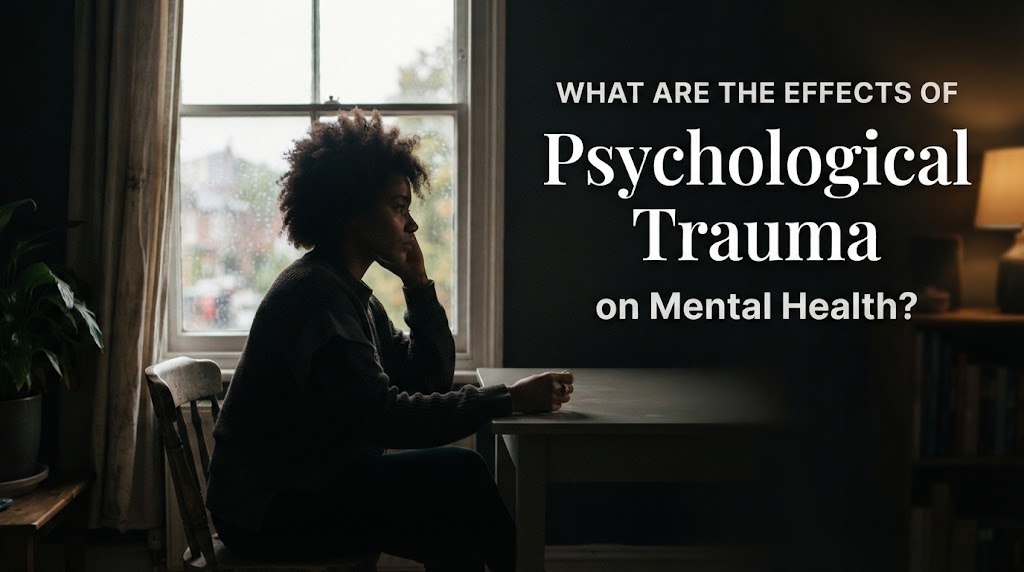
Psychological trauma can happen after a person experiences or witnesses an event that feels extremely frightening, painful, or threatening. It may affect how someone thinks, feels, behaves, and interacts with other people. Some people recover naturally over time, while others may continue to experience symptoms that affect daily life. Understanding the effects of psychological trauma can help people recognize when additional support may be needed.
WHAT IS PSYCHOLOGICAL TRAUMA?
Psychological trauma is an emotional response to an event that overwhelms a person's ability to cope. Traumatic experiences may include violence, abuse, serious accidents, natural disasters, sudden loss, or other deeply distressing situations. However, the same event can affect people in different ways. A person's previous experiences, support system, and individual circumstances can influence their response to trauma.
Trauma does not always lead to a mental health disorder. Some people experience short term reactions that gradually become less intense as they feel safe again. Others may continue to experience distress for a longer period. When symptoms become persistent or interfere with everyday activities, professional mental health support may be helpful.
TRAUMA CAN AFFECT EMOTIONAL WELL BEING
One common effect of psychological trauma is a change in emotional well being. A person may experience fear, sadness, anger, guilt, or feelings of helplessness after a traumatic event. These emotions may appear suddenly or become stronger when something reminds the person of what happened. Emotional changes can make everyday activities feel more difficult.
Some people may also lose interest in activities they previously enjoyed. They may feel emotionally numb or disconnected from people around them. These reactions can vary in intensity and duration. If emotional difficulties continue and interfere with daily life, speaking with a mental health professional can provide appropriate guidance.
TRAUMA MAY INCREASE ANXIETY AND FEAR
Trauma can make a person feel less safe even when the immediate danger has passed. As a result, they may become more alert to possible threats and worry about something bad happening again. Certain sounds, places, people, or situations may remind them of the traumatic experience. This can lead to avoidance and make everyday activities more challenging.
Physical reactions may also occur when a person feels threatened or reminded of the trauma. These reactions can include a racing heartbeat, muscle tension, sweating, or being easily startled. Such responses are related to the body's stress response and do not automatically mean that someone has a specific mental health disorder. However, persistent or severe anxiety should be discussed with a qualified professional.
TRAUMA CAN AFFECT SLEEP AND CONCENTRATION
Sleep problems are another possible effect of psychological trauma. Some people may have difficulty falling asleep, wake up frequently, or experience disturbing dreams. Poor sleep can leave a person feeling tired and less able to manage everyday responsibilities. Over time, sleep difficulties may also affect mood and concentration.
Trauma can make it harder to focus on school, work, conversations, or other daily tasks. A person may find their thoughts returning repeatedly to the traumatic experience. This can make it difficult to concentrate on what is happening in the present. Improving sleep habits and seeking professional support when symptoms persist can be useful parts of recovery.
TRAUMA MAY AFFECT SOCIAL RELATIONSHIPS
Psychological trauma can change the way a person interacts with family, friends, partners, or coworkers. Some people may find it harder to trust others after experiencing something painful or threatening. Others may withdraw from social activities because being around people feels overwhelming. These changes can create misunderstandings when people close to them do not understand what they are experiencing.
Supportive relationships can play an important role in recovery. Listening without judgment and respecting personal boundaries can help a person feel safer. However, friends and family members should not pressure someone to talk about the traumatic event before they are ready. Professional support may be needed when trauma significantly affects relationships or social functioning.
TRAUMA MAY BE LINKED TO MENTAL HEALTH CONDITIONS
In some cases, psychological trauma can be associated with mental health conditions such as post traumatic stress disorder or PTSD. PTSD may involve unwanted memories, avoidance of reminders, changes in mood and thinking, and increased alertness. Not everyone who experiences trauma develops PTSD. A proper diagnosis requires an assessment by a qualified mental health professional.
Trauma may also occur alongside anxiety, depression, or other psychological difficulties. The symptoms and their causes can vary from one person to another. For this reason, people should avoid diagnosing themselves based on a few symptoms found online. Professional assessment can help identify the most appropriate form of support or treatment.
HOW CAN SOMEONE RECOVER FROM PSYCHOLOGICAL TRAUMA?
Recovery from psychological trauma is different for every person and may take time. Building a sense of safety, maintaining a regular routine, getting enough rest, and staying connected with trusted people can support recovery. A person does not need to force themselves to forget what happened. Instead, recovery often involves gradually learning how to manage emotional responses and return to meaningful daily activities.
Professional treatment can also be helpful when trauma symptoms persist or interfere with everyday life. Psychologists and other qualified mental health professionals can assess symptoms and recommend appropriate approaches. In some situations, psychotherapy may be used to help people process traumatic experiences and manage distressing symptoms. If someone has thoughts of self harm or suicide, immediate help from emergency or mental health services should be sought.
CONCLUSION
Psychological trauma can affect mental health in many ways, including emotional changes, anxiety, sleep problems, concentration difficulties, and challenges in social relationships. Some people recover with time and support, while others may experience persistent symptoms that require professional care. Trauma does not affect everyone in the same way, so recovery should be based on each person's needs and circumstances. Recognizing symptoms early, creating a safe environment, maintaining healthy routines, and seeking professional help when necessary can support the recovery process.
Tentang Penulis
Gusti Ayu Tita P
Penulis — Universitas STEKOM
Penulis aktif yang berfokus pada isu-isu akademik, teknologi pendidikan, dan pengembangan sumber daya manusia di lingkungan kampus.















