What Are the Essential Steps in a Disaster Evacuation?
Gusti Ayu Tita P
19 September 2026
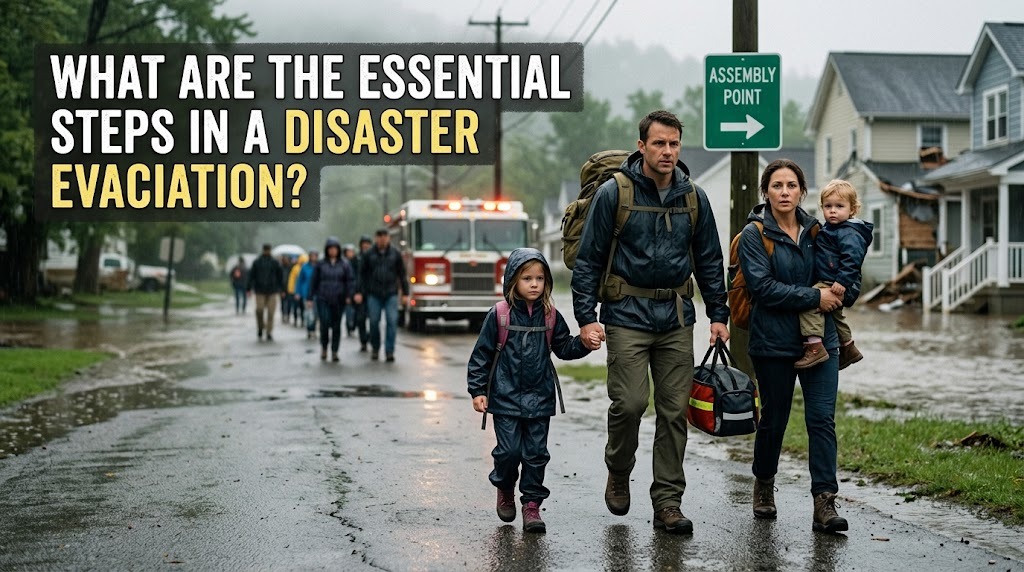
A disaster can happen without warning and create dangerous conditions within a short time. Disaster evacuation is an important process that helps people move from a dangerous area to a safer location. Knowing the correct evacuation steps can reduce confusion and help people respond more effectively. Proper preparation is also important because there may be little time to make decisions during an emergency.
RECOGNIZE THE EVACUATION WARNING
The first essential step is to recognize and understand an evacuation warning. Information may come from emergency authorities, warning systems, radio, television, or official communication channels. When an evacuation order is announced, people should pay attention to the instructions and identify what action they need to take. Ignoring an official warning can increase the risk of being trapped in a dangerous area.
Different disasters may require different responses. For example, a flood may require people to move toward higher ground, while a wildfire may require them to leave an area affected by fire or smoke. Understanding the type of emergency helps people choose safer actions and avoid unnecessary risks.
PREPARE ESSENTIAL SUPPLIES
Before leaving, people should take an emergency bag if there is enough time to do so safely. Important supplies may include drinking water, ready-to-eat food, a flashlight, first aid supplies, necessary medicines, hygiene items, and important documents. The contents should be appropriate for the person's needs and the expected evacuation conditions.
Emergency supplies should ideally be prepared before a disaster happens. Keeping the bag in an easy-to-reach location can save valuable time when evacuation becomes necessary. However, people should never delay evacuation simply to collect belongings if authorities have ordered them to leave immediately.
FOLLOW A SAFE EVACUATION ROUTE
The next step is to use a safe evacuation route that leads away from the danger. People should follow official signs, instructions from emergency personnel, and information provided by local authorities. Knowing the main route and at least one alternative route before an emergency can make evacuation more organized.
During evacuation, avoid areas that are visibly damaged or have been identified as dangerous. People should not enter damaged buildings, cross unsafe floodwater, or ignore road closures. If the usual route is blocked, follow official instructions rather than taking an unfamiliar path through a hazardous area.
STAY CALM AND FOLLOW INSTRUCTIONS
Staying calm is important because panic can make it difficult to think clearly. People should listen carefully to emergency personnel and follow instructions instead of making sudden decisions based on rumors. Moving in an orderly way can also help reduce confusion and prevent people from becoming separated.
Only trust information from reliable sources during an emergency. Social media posts or messages from unknown sources may contain incorrect information. When possible, check official announcements before sharing information with family members or other people.
HELP CHILDREN AND VULNERABLE PEOPLE
During evacuation, special attention should be given to children, elderly people, people with disabilities, and others who may need assistance. Families should discuss beforehand who will help each person and where they should meet if they become separated. Simple instructions can help children understand what they should do without creating additional fear.
People should help others when it is safe and possible to do so. However, they should not put themselves in serious danger while attempting a rescue. Emergency personnel are trained to handle dangerous situations, so their instructions should be followed during the evacuation process.
REACH THE DESIGNATED SAFE LOCATION
After leaving the danger area, people should go to the designated evacuation center or assembly point. Once there, they should remain in the safe area and follow instructions from authorities or emergency workers. Families should check that all members are present and report missing people to the appropriate personnel.
Do not return to the affected area until official authorities confirm that it is safe. Disaster conditions can change quickly, and an area that appears safe may still contain hidden hazards. Remaining patient and following official instructions can help protect evacuees until the emergency situation is under control.
CONCLUSION
The essential steps in a disaster evacuation include recognizing warnings, preparing emergency supplies, following safe routes, staying calm, helping vulnerable people, and reaching a designated safe location. Preparation before a disaster can make these steps easier to follow when an emergency occurs. Most importantly, people should follow instructions from official authorities and avoid unnecessary risks. Good evacuation planning and cooperation can help communities respond to disasters in a safer and more organized way.
Tentang Penulis
Gusti Ayu Tita P
Penulis — Universitas STEKOM
Penulis aktif yang berfokus pada isu-isu akademik, teknologi pendidikan, dan pengembangan sumber daya manusia di lingkungan kampus.